Clearance CLR-3619 · AIR568
AIRCAL
AirportsClearance sheet
Calgary Becomes First Canadian Airport to Run AI Turnaround Tracking on Cargo Apron
YYC Calgary becomes Canada's first airport to run Assaia's ApronAI on a cargo apron, going live Nov. 10, 2026, with federal corridor funding behind it.
Read-back
- YYC Calgary is the first Canadian airport to deploy ApronAI in cargo operations, live Nov. 10, 2026
- YYC logged more than 5,200 cargo landings last year and handles over 70% of Alberta's air cargo tonnage
- Calgary Airports has invested more than $100 million in cargo infrastructure
- The project is supported by the federal National Trade Corridors Fund
- YYC hosts IATA's World Cargo Symposium next year
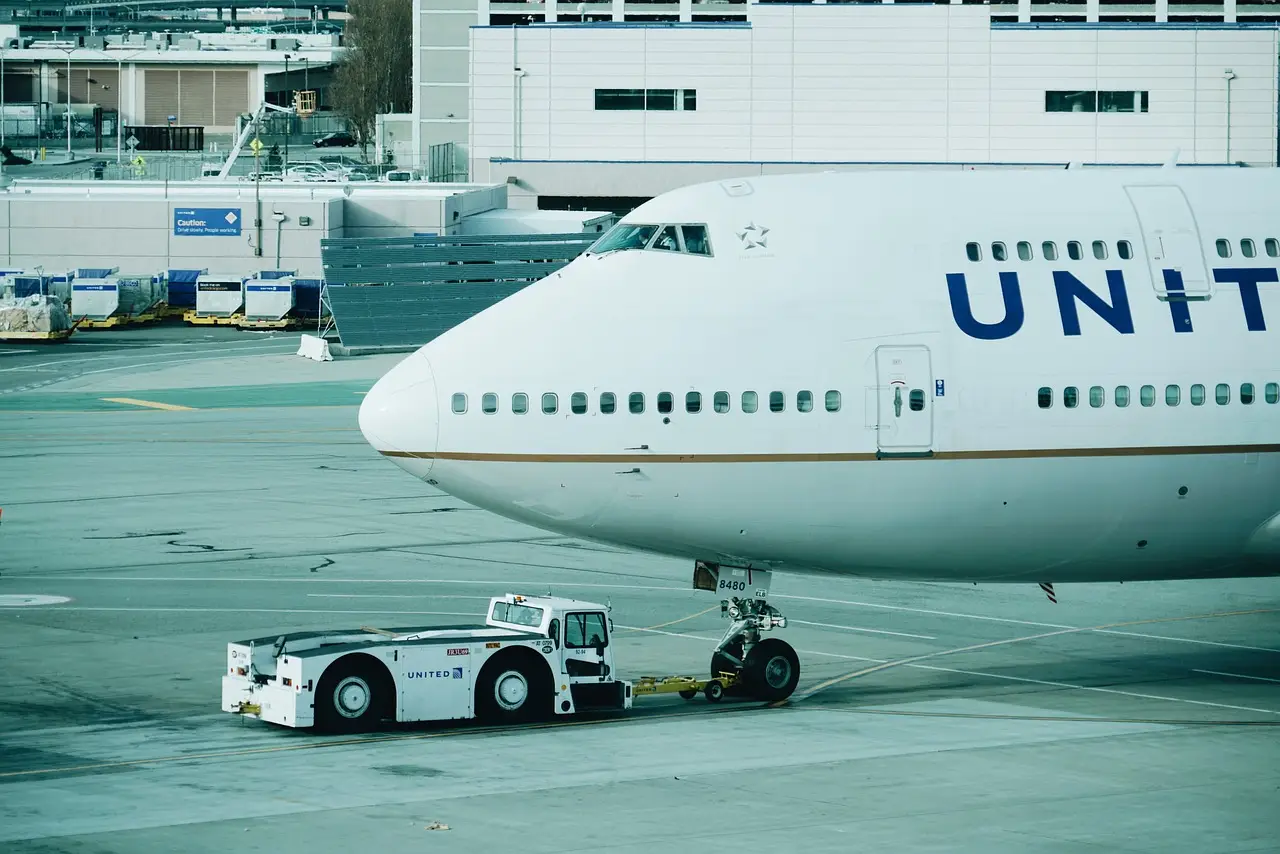
Calgary International Airport becomes the first airport in Canada to deploy AI-assisted apron monitoring in cargo operations, with Assaia's ApronAI going live on Nov. 10, 2026. The system is already installed at Apron 9, one of YYC's dedicated cargo aprons, and follows last year's rollout of the same platform across the airport's passenger gates. Ottawa is paying part of the bill through the National Trade Corridors Fund, the federal program that finances infrastructure and technology projects aimed at moving goods more efficiently.
The stake is not symbolic. YYC recorded more than 5,200 cargo landings last year and handles more than 70 per cent of Alberta's air cargo tonnage — roughly seven of every ten tonnes moving through the province by air. Calgary Airports has invested more than $100 million in cargo infrastructure to date, spanning facilities for e-commerce, perishables, pharmaceuticals, oversized industrial equipment and live animals. That is a serious cargo franchise for a mid-continent hub, and it explains why an apron camera system earns federal attention.
What will the cameras actually do?
The AI-enabled cameras will track each freighter turnaround from arrival to departure, logging when key steps begin and end: unloading, loading and fuelling. Calgary Airports, cargo operators and ground handlers will all receive the same real-time turnaround information. In passenger work, this is familiar technology — timestamped turnarounds, shared visibility, fewer disputes about who delayed whom. In cargo work, it is newer ground.
Megan Gupton, Chief Information Officer at Calgary Airports, framed the timing as deliberate. "We're going live just ahead of our busiest stretch of the year for cargo, and that timing is intentional," she said. "Peak season tests every part of the operation. It will show us and our partners where things run smoothly and where we can improve, and we'll use what we learn to plan for 2027 and beyond."
Peak season as a live laboratory. One suspects the schedule was less a coincidence than a stress test with a deadline.
Why is cargo harder to measure?
Assaia's CEO, Christiaan Hen, was candid about the technical problem his product is being asked to solve. "Cargo turnarounds present a different set of challenges to passenger operations. The processes can vary significantly depending on the nature of the cargo and the handling requirements, making it harder to predict how long each turnaround should take," he said.
Hen added: "By capturing exactly what happens on the apron, ApronAI gives Calgary Airports and its partners the data to better understand that variability and identify opportunities to make cargo operations more predictable and efficient."
The point is well taken. A Boeing 737 freighter full of e-commerce parcels behaves differently from one carrying live animals or pharma shipments requiring temperature integrity. Passenger turns cluster around predictable blocks of 45 to 60 minutes; freighter turns scatter. Measuring that scatter is the precondition for compressing it.
What is the government's role?
Transport Minister Steven MacKinnon, also Leader of the Government in the House of Commons, cast the project as economic policy. "Building a stronger economy means making smart investments in the infrastructure and technology that keep Canada moving," he said.
"Through the National Trade Corridors Fund, we're helping transportation hubs like YYC Calgary International Airport adopt innovative solutions that improve efficiency, strengthen supply chains, and support businesses across the country," MacKinnon added. "Projects like this one are helping build a more resilient transportation system while creating the conditions for sustainable economic growth now and into the future."
Two sentences of resilience, one camera install. The ratio is roughly standard for corridor-fund announcements. The funding itself is real money against a real $100 million-plus cargo build-out, whatever the prose.
What comes next?
Calgary's ambitions extend past the apron. Next year, YYC hosts IATA's World Cargo Symposium, the largest annual gathering of the global air cargo industry — a convenient stage for an airport pitching itself as a technology-forward cargo hub. Expect the Apron 9 data, one peak season old by then, to feature prominently in that pitch.
via yyc.com (Original)
More from Grace Kim
Show full bio
News editor covering companies, deals and strategy in Commercial aviation industry coverage at Flightdeck Report.
570 articles
Same bay
- FDR368Air Canada Cargo doubles down on digital groundwork with Lödige · September 30, 2026
- FDR914Air Canada Cargo Moves to Next Automation Phase at Toronto Pearson · October 1, 2026
- FDR982Air Canada Cargo logs 250,000 tonnes on Lödige control platform · September 30, 2026
- FDR568Air Canada Cargo marks one year of terminal modernisation programme · October 10, 2026
- FDR973Edmonton flags EU cargo surge as Canada diversifies away from US · October 10, 2026