Clearance CLR-5891 · IND288
INDCAN
Finance & DealsClearance sheet
Canada to Lease Its Four Busiest Airports Under Privatization Plan
Canada's Prime Minister has committed to privatizing the country's four busiest airports via long-term lease concessions, with Transport Canada retaining ownership as Ottawa seeks to recycle asset value.
Read-back
- Canada's Prime Minister has committed to privatizing the country's airports, starting with the four busiest
- Transport Canada will retain ownership; any deal will be a fixed-term lease concession, not a UK-style outright sale
- Canadian pension funds gained the option to invest in Canadian airports in 2025 and have been scaling back global airport holdings since
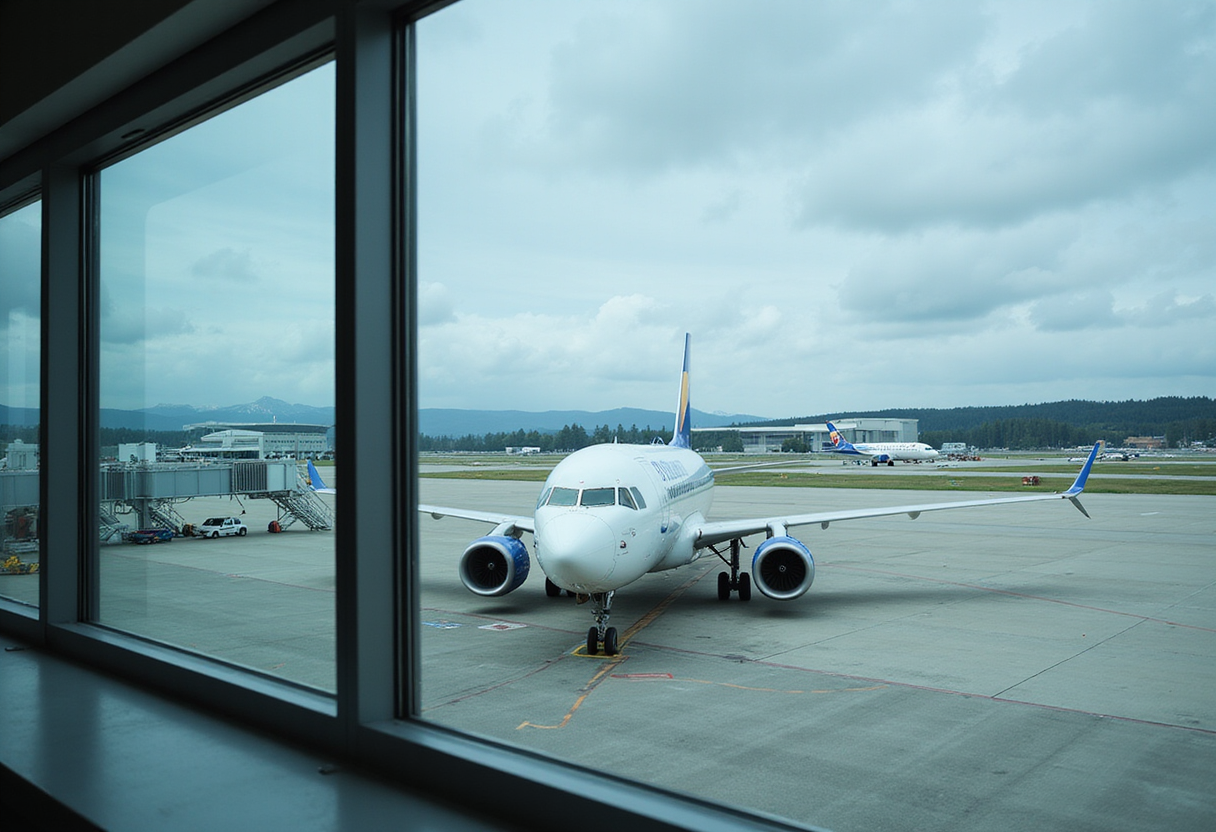
Canada's Prime Minister has committed to privatizing the country's airports, starting with the four busiest — the first time a Canadian political leader has put the long-debated policy on the table as a firm undertaking.
The details remain unresolved, but a lease concession structure appears to be the most likely vehicle. Public-private partnerships for specific infrastructure projects cannot be ruled out either. Transport Canada will retain ownership of the airport properties under any deal, and any arrangement will run for a fixed term.
That structure marks a deliberate departure from the UK precedent. Britain sold its airports outright in wholesale transactions; Canada will not. Instead, Ottawa appears to be designing an arrangement closer to the concession models common in Europe and elsewhere, where private operators lease the asset and assume commercial control for a defined period while the state keeps title.
Why now
The federal government wants to "recycle" the value tied up in established properties to fund other high-growth economic projects — a phrase that points toward AI infrastructure and data centres as probable destinations for the proceeds. The logic is balance-sheet arithmetic: airports built and paid down over decades now hold substantial embedded value, and the government would rather convert that value into capital for sectors it considers higher-growth than hold it in property.
For the airports themselves, the shift raises immediate questions about capital investment programmes, terminal capacity planning and the cost base that airlines operating at Canada's four busiest gateways will face under private operators seeking returns.
Who bids
Canada's well-established pension funds are the most probable beneficiaries. They have been scaling down their global airport investments since 2025, when they were granted the option to invest in Canadian airports — a regulatory change that effectively redirected domestic capital homeward ahead of this privatization decision. Those funds bring deep operating experience from airport holdings across Europe, Australia and elsewhere, and they now have both the capital and the permission to deploy it at home.
Canada also has a small number of operators from outside the pension-fund business that could make a pitch. Beyond them, an entire raft of foreign investors will find four major assets of this scale sufficiently attractive to make an enquiry at least. But this is a whole new market for them, with little transaction history to guide valuation or risk assessment. No comparable Canadian airport concession has traded, so bidders will be pricing political and regulatory risk without precedent to benchmark against.
The political dimension
Politics may play a decisive role in how the process unfolds. Canada is seeking to distance itself from the United States and to move toward the European Union, and that geopolitical reorientation could shape everything from which investor groups are welcomed to how the concession terms are drafted. European-style regulation of private airport operators — including charges caps and service-level commitments — may prove influential if Ottawa looks to Brussels rather than Washington as its institutional model.
What is settled and what is not
The certified facts are these: the Prime Minister has committed; the four busiest airports come first; Transport Canada keeps ownership; any deal runs a fixed term; and the UK-style outright sale model is off the table. Everything else — the concession length, the bidding framework, the treatment of existing airport authorities, the regulatory regime governing charges, and the timeline for any transaction — remains to be worked out.
For airlines serving Canada's largest gateways, the open question is whether private capital will accelerate the capacity investment that constrained Canadian hubs have long needed, or whether shareholder returns will push up the cost base first. For the government, the test will be whether the value unlocked from four mature airport assets, redirected into AI and data-centre projects, generates returns that justify surrendering decades of commercial control — on a lease, if not in title.
The pace will now depend on how quickly Ottawa converts a political commitment into a structured tender, and whether the pension funds that spent years building global airport portfolios decide their home market finally offers the returns they were waiting for.
via CAPA News (Source)
More from Grace Kim
Show full bio
News editor covering consumer brands and retail at Flightdeck Report.
138 articles
Same bay
- FDR323Moscow Sell-Off: Kremlin to Divest 30% of Sheremetyevo Stake · September 26, 2026
- FDR953Ottawa Clears Path for Future Kelowna Airport Expansion · September 29, 2026
- FDR265Scottish Greens Call Edinburgh Airport Expansion 'Climate Vandalism' · September 30, 2026
- FDR297Kenya Moves to Reclaim Land for Airport Expansion, Evictions Loom · September 27, 2026
- FDR547ACI World Calls on Governments to Plan Airport Capacity Now · September 30, 2026