Airlines & NetworksClearance sheet
Cebu Pacific adds A320neo as nine-month loss reaches P12.8 billion
Cebu Pacific took delivery of an A320neo and entered peak-season flying, while higher fuel costs and foreign exchange losses pushed its nine-month net loss to P12.8 billion.
Read-back
- Cebu Pacific’s 83-aircraft Airbus fleet includes A320neo RP-C4150, which entered service on Nov. 21, 2026, on flight 5J2269 from Manila to Iloilo.
- The airline expects seven A320neos in total in 2026, while neo-generation aircraft account for 78% of its fleet.
- Cebu Pacific’s nine-month net loss reached P12.8 billion (£156 million), against P2.4 billion (£29 million) a year earlier.
- Third-quarter fuel expenses rose 65%, while nine-month revenue increased 10% to P96.2 billion (£1.17 billion).
- Passenger volume rose 4% to nearly 21 million, and domestic market share reached 63% in the third quarter from 55%.
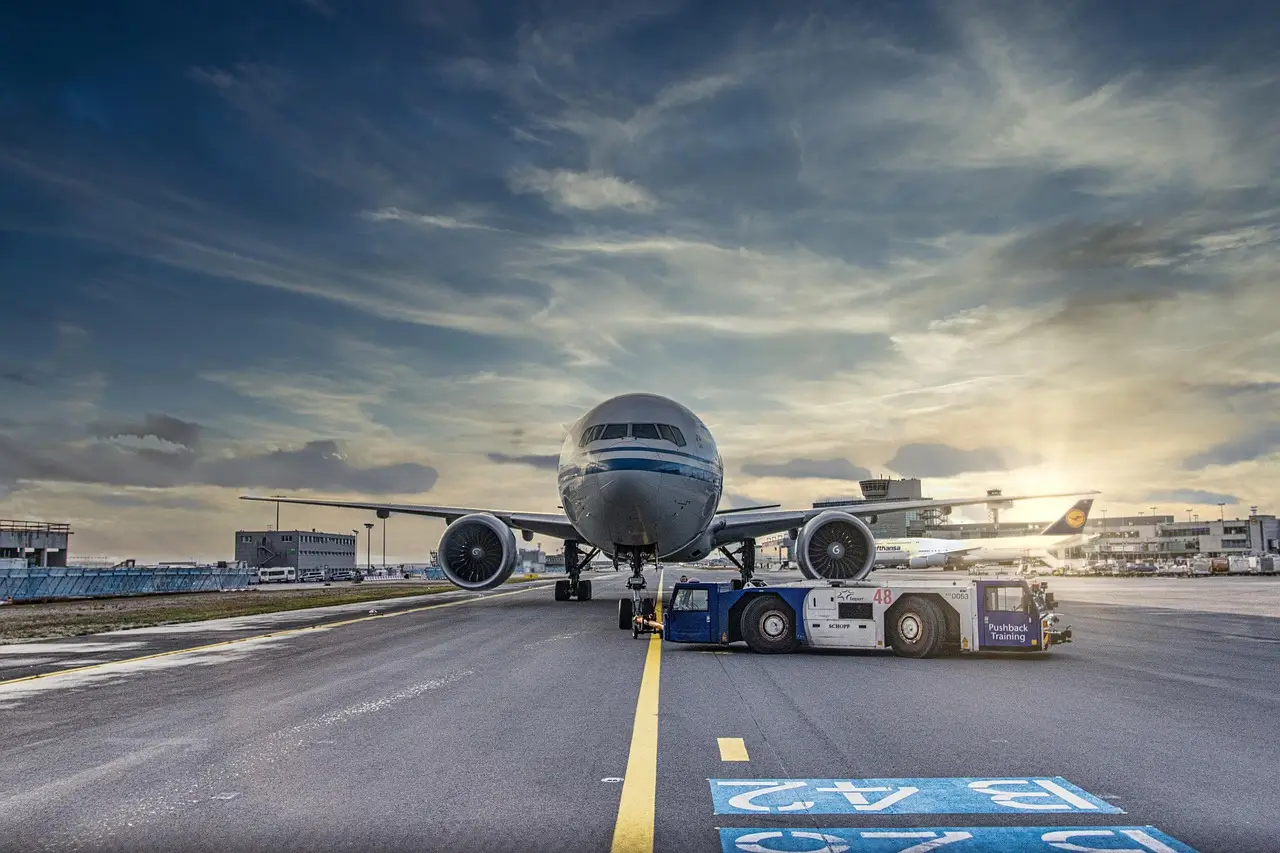
Cebu Pacific’s 83-aircraft Airbus fleet now includes an A320neo, RP-C4150, which entered commercial service on Nov. 21, 2026. The aircraft operated flight 5J2269 from Manila to Iloilo as the Philippine low-cost carrier entered its busiest travel period.
AirNav Radar data show RP-C4150 departed Tianjin at 2:10 p.m. UTC on Nov. 18 from the Airbus facility where it was assembled and fitted with its engines. It landed in Manila at 6:21 p.m. UTC on Nov. 18, equivalent to 2:21 a.m. local time on Nov. 19.
How much capacity is actually flying?
Cebu Pacific President and Chief Commercial Officer Xander Lao said: “As we approach the peak holiday travel season, having additional aircraft in our fleet helps us prepare for increased passenger demand.” He added that the airline was keen on continued investment in modern, efficient jets, “allowing us to grow our capacity while improving fuel efficiency and operational performance.”
The report records an aircraft in scheduled passenger service; it does not describe a separate type-certification milestone. Cebu Pacific expects seven A320neos in total this year, equal to 8.4% of its current 83-aircraft fleet, but did not specify how many remain after RP-C4150.
The neo-generation aircraft—A320neo, A321neo and A330neo—make up 78% of the fleet. Ch-aviation data list 83 Airbus aircraft: 40 A320s, 28 A321s and 15 A330s. Cebu Pacific says that mix gives it the widest network coverage in the Philippines, an assertion from the airline rather than an independently measured ranking.
Can the A320neo offset the fuel bill?
The carrier says the A320neo helps manage costs amid volatile oil prices while also reducing emissions and noise. Its third-quarter fuel expenses nevertheless rose 65% year on year, a reminder that efficient hardware does not set the price of fuel.
For January through September, Cebu Pacific reported a net loss of 12.8 billion pesos (£156 million), against 2.4 billion pesos (£29 million) a year earlier. The loss widened by 10.4 billion pesos and reached more than five times the previous result.
Revenue rose 10% to 96.2 billion pesos (£1.17 billion) over the same period. The net loss equalled roughly 13.3 pesos for every 100 pesos of revenue, a blunt measure of the gap between rising traffic and costs.
The third quarter alone produced a net loss of 6.9 billion pesos (£84 million). Higher fuel prices and foreign exchange losses weighed on nine-month performance, producing an operating loss of 3 billion pesos (£37 million) and a core pre-tax loss of 8.6 billion pesos (£105 million).
One more aircraft does not repair an income statement. The added A320neo can support more departures during the holiday peak, but the latest delivery arrives against a P12.8 billion nine-month deficit and a 65% increase in quarterly fuel spending.
Is passenger demand keeping pace?
Cebu Pacific carried nearly 21 million passengers during January through September, a 4% increase. Domestic traffic grew 5% to 15.7 million passengers, while international traffic remained broadly stable at 5.1 million.
Civil Aeronautics Board data showed the carrier’s domestic market share reached 63% in the third quarter, up eight percentage points from 55% a year earlier. The figures show Cebu Pacific taking a larger share of domestic traffic while its international base did not grow materially.
The fleet therefore offers more capacity at the point of strongest seasonal demand, alongside a 78% neo-generation fleet share and 63% domestic market share. The announcement provides no seating or load-factor figures for RP-C4150, so its commercial contribution remains unquantified.
The holiday schedule will provide the near-term test. Cebu Pacific has an extra A320neo and more passengers, but fuel inflation and currency losses must improve before extra capacity changes the earnings arithmetic.
via travelradar.aero (Source)
More from Grace Kim
Show full bio
News editor covering companies, deals and strategy in Commercial aviation industry coverage at Flightdeck Report.
713 articles
Same bay
- Cebu Pacific takes 15th A330neo; neo jets reach 78% of fleet · October 12, 2026
- Cebu Pacific takes sixth jet of 2026 as A320neo lands in Manila · November 20, 2026
- PAL Puts A350-1000 on Daily Manila–San Francisco Rotation for Peak Season · October 30, 2026
- Cebu Pacific electric GSE fleet reaches 50 units with Davao push · November 2, 2026
- AirAsia Weighs Largest-Ever A220 Order for Fleet Renewal · September 28, 2026