Clearance CLR-6750 · AIR161
AIRPAL
Airlines & NetworksClearance sheet
PAL Puts A350-1000 on Daily Manila–San Francisco Rotation for Peak Season
Philippine Airlines is flying its 382-seat A350-1000 daily between Manila and San Francisco ahead of the year-end peak, with a schedule shift on November 1, 2026.
Read-back
- PAL now operates the A350-1000 daily on Manila–San Francisco ahead of the year-end peak.
- The aircraft seats 382 passengers: 42 Business, 24 Premium Economy, 316 Economy.
- Flights PR104/PR105 shift SFO timings by one hour on November 1, 2026, when US Daylight Saving Time ends.
- All cabins feature 4K screens, Wi-Fi, in-seat power, and USB-A and USB-C ports.
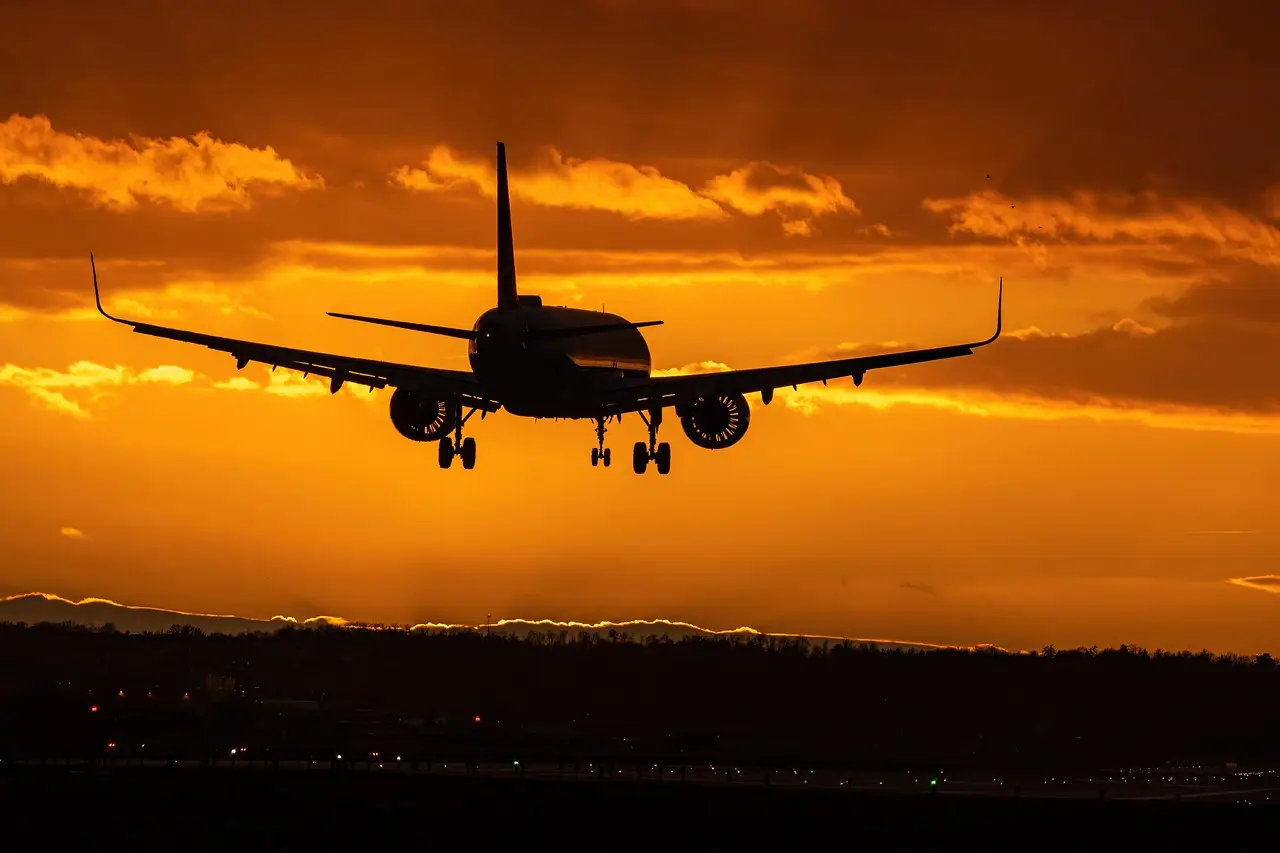
Philippine Airlines (PAL) is now flying its Airbus A350-1000 daily between Manila's Ninoy Aquino International Airport (MNL) and San Francisco International Airport (SFO), ahead of the year-end travel peak. The move puts the carrier's newest and largest widebody on the route seven days a week, replacing less frequent operation of the type and adding premium seating just as Filipino-Americans head home for the holidays.
The daily deployment is a schedule decision with a clear commercial logic behind it. San Francisco ranks among PAL's most important North American gateways and anchors its service to the large Filipino-American community on the US West Coast. December is the busiest stretch of that market's year. Matching the largest aircraft in the fleet to the strongest seasonal demand is textbook capacity management.
What does the aircraft offer?
The A350-1000 sits at the top of PAL's fleet in both size and age. It carries 382 passengers per flight in a three-class configuration:
- Business Class: 42 suites in a 1-2-1 layout, giving every passenger direct aisle access
- Premium Economy: 24 seats
- Economy: 316 seats
The 1-2-1 business layout matters commercially. On a route driven by premium leisure and visiting-friends-and-relatives traffic, direct aisle access is the standard selling point long-haul carriers compete on, and PAL now offers it daily rather than intermittently.
Cabin hardware is uniform across all three classes: 4K inflight entertainment screens, inflight Wi-Fi, in-seat power, and both USB-A and USB-C charging ports. The dual-port specification reflects the shift in passenger devices toward USB-C, and it applies economy-wide rather than only in premium cabins.
PAL also credits the aircraft with better fuel efficiency, more operational flexibility and greater cargo capacity, which the airline says supports growth of its long-haul network. Those are manufacturer-aligned performance claims, and they track with how the type is deployed here: a high-density seating arrangement on one of the longest sectors in PAL's network, where fuel burn per seat and belly cargo revenue drive the route's economics.
What changes in the schedule?
The flights operate as PR104 westbound and PR105 eastbound, and the timetable shifts during the northern winter. The current and future timings break down as follows:
Until October 31, 2026:
- PR104 departs Manila at 23:15 local time, arriving in San Francisco at 20:45 local time
- PR105 departs San Francisco at 23:40 local time, arriving in Manila at 05:35 local time
From November 1, 2026:
- PR104 still departs Manila at 23:15, but arrives in San Francisco an hour earlier, at 19:45 local time
- PR105 departs San Francisco an hour earlier, at 22:40, and still arrives in Manila at 05:35
The mechanism behind the shift is calendar arithmetic rather than a network redesign. The US ends Daylight Saving Time on November 1, 2026, and local arrival and departure clocks in San Francisco fall back one hour. PAL's published block times and Manila timings stay constant; only the SFO local times move. Passengers connecting through San Francisco should read the new timings when planning December travel.
What does this change for passengers?
For travelers on the US West Coast, the practical effect is consistency: PAL's newest long-haul product is now available every day of the week, not on selected departures. For the airline, the daily flagship rotation strengthens San Francisco as a connecting hub. Through Manila, SFO-originating passengers can reach destinations across the Philippines and the wider Asia-Pacific region, so the A350-1000's added seats feed both local and connecting traffic.
With the holiday peak approaching and the A350-1000 now anchored daily on one of its most strategically important US routes, PAL has aligned its largest capacity with its most seasonally reliable demand.
via instagram.com (Original)
More from Sophie Lindqvist
Show full bio
Senior reporter covering people, launches and day-to-day practice in Commercial aviation industry coverage at Flightdeck Report.
599 articles
Same bay
- FDR913Cebu Pacific takes 15th A330neo; neo jets reach 78% of fleet · October 12, 2026
- FDR793AirAsia Weighs Largest-Ever A220 Order for Fleet Renewal · September 28, 2026
- FDR956United Schedules Elevated 787-9 on Houston and Sydney Routes · September 29, 2026
- FDR941Malaysia Airlines Closing In on First Boeing 787 Order · September 30, 2026
- FDR868Emirates swaps 777 for A350 on Dubai–Mauritius from November 1, 2026 · October 23, 2026