Clearance CLR-2031 · AIR520
AIRASI
Airlines & NetworksClearance sheet
Asia Pacific carriers end five-month passenger slide as cargo gains pace
Asia Pacific airlines flew 30.4 million international passengers in September 2026, up 0.7%, ending five months of declines as cargo demand rose 6.4%, AAPA figures show.
Read-back
- Asia Pacific carriers flew 30.4 million international passengers in September 2026, up 0.7% year-on-year, ending five months of decline
- International cargo demand rose 6.4% in FTK terms, lifting the freight load factor to 60.3%
- Passenger RPKs grew 5.9% but capacity rose 6.8%, dropping the passenger load factor to 80.2%
- First nine months of 2026: 289.5 million international passengers, up 1.9% on 2025
- AAPA released the preliminary figures on October 29, 2026
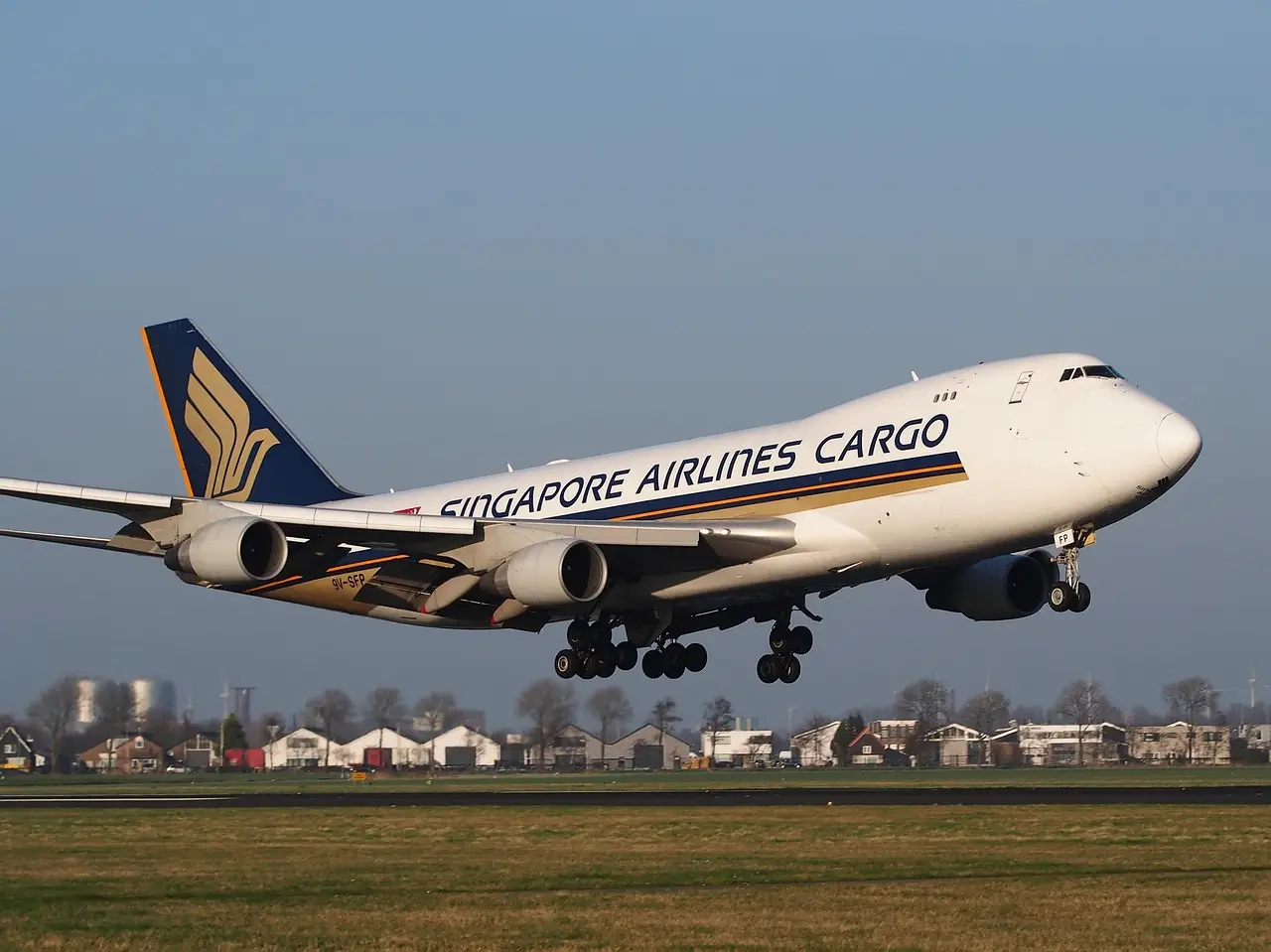
Asia Pacific airlines carried 30.4 million international passengers in September 2026, a 0.7% year-on-year increase that ended five consecutive months of decline, according to preliminary figures the Association of Asia Pacific Airlines (AAPA) released on October 29.
The headline number barely moved, but the detail beneath it did. Demand measured in revenue passenger kilometers (RPK), which weights traffic by distance flown, rose 5.9% — a sign that passengers are flying farther even as short-haul volumes stall. Seat capacity grew faster still, at 6.8%, so the average international load factor slipped 0.6 percentage points to 80.2%.
Where the growth came from
Performance split sharply across markets. Capacity cuts dragged traffic down on some routes, while longer-haul routes kept expanding. AAPA said part of that long-haul growth came from passengers deliberately routing around Middle East hubs — a shift that redirects connecting traffic away from Gulf carriers and toward Asia Pacific networks.
The divergence matters for airline planners. An RPK growth rate of 5.9% against passenger growth of 0.7% means carriers are earning more from each traveler through distance, not volume. That is a fragile position if fuel prices climb or if long-haul demand softens.
Cargo did the heavy lifting
Freight was September's stronger story. International cargo demand, measured in freight tonne kilometers (FTK), rose 6.4% year-on-year, outpacing a 4.9% increase in freight capacity. The average international freight load factor gained 0.8 percentage points to 60.3% — cargo holds are filling up faster than airlines can add capacity.
AAPA attributed the growth to three drivers: stronger global manufacturing, increased purchases of raw materials and components, and sustained demand for AI-related goods. The AI buildout has become a structural pillar of air cargo demand, keeping freighter networks busy with semiconductors, servers and data-center equipment.
"September saw passenger numbers increase slightly compared to a year earlier, with stronger growth in longer-haul travel, while air cargo demand gained momentum," said Wong Hong, AAPA's Director General.
Nine-month picture
Over the first nine months of 2026, the region's airlines carried 289.5 million international passengers, up 1.9% on the same period in 2025. International cargo demand grew 5.6% over the same window. Both figures point to a region expanding — but at rates well below the post-pandemic surges of earlier years.
For context, Asia Pacific airlines posted $12.1 billion in combined profits for 2025, according to AAPA's earlier reporting. Sustaining that result through 2026 depends on whether the September turnaround holds.
What could still go wrong
Wong said the September results show "the resilience of demand amid a difficult operating environment," but he flagged three cost pressures: high jet fuel prices, airspace restrictions and weaker Asian currencies. Each one bites directly into margins — fuel through unit costs, airspace closures through longer routings, and currency through dollar-denominated expenses.
"However, higher travel and shipping costs could temper growth, while geopolitical tensions and changes in trade policies remain key uncertainties," Wong said.
Looking ahead, he expects year-end holiday travel to support passenger demand and continued investment in AI infrastructure to keep cargo flows strong. Whether the October data confirms the September upturn — or shows it was a one-month reprieve — will be the number to watch.
via AeroTime (Source)
More from Nathan Brooks
Show full bio
Correspondent covering technology and product news in Commercial aviation industry coverage at Flightdeck Report.
577 articles
Same bay
- FDR125Asia-Pacific carriers carried 33.5 million passengers in August, down 0.6% · September 28, 2026
- FDR746Air Cargo Demand Grew 4.4% in August as Capacity Shrank · September 30, 2026
- FDR259EU De Minimis Curb Slows Asia Pacific Cargo Growth to 1.1% · September 28, 2026
- FDR608Tourism Growth Turns Fragile as Arrivals Gain Just 0.4% in 1H2026 · September 26, 2026
- FDR363Global Air Cargo Volumes Climbed 9% in September · October 12, 2026