Clearance CLR-5291 · AIR494
AIRCHI
Airspace & RegulationClearance sheet
Chinese and Russian Air Challenges to Japan Hit Three-Year High
Chinese and Russian air challenges to Japan's airspace hit a three-year high, raising scramble workload and costs for Japan's Air Self-Defense Force.
Read-back
- Chinese and Russian aircraft challenges to Japan's airspace reached a three-year high.
- Joint Chinese-Russian air patrols add a two-front interception burden for Japan.
- Japan's Air Self-Defense Force bears the scramble, fuel and maintenance costs of the increased activity.
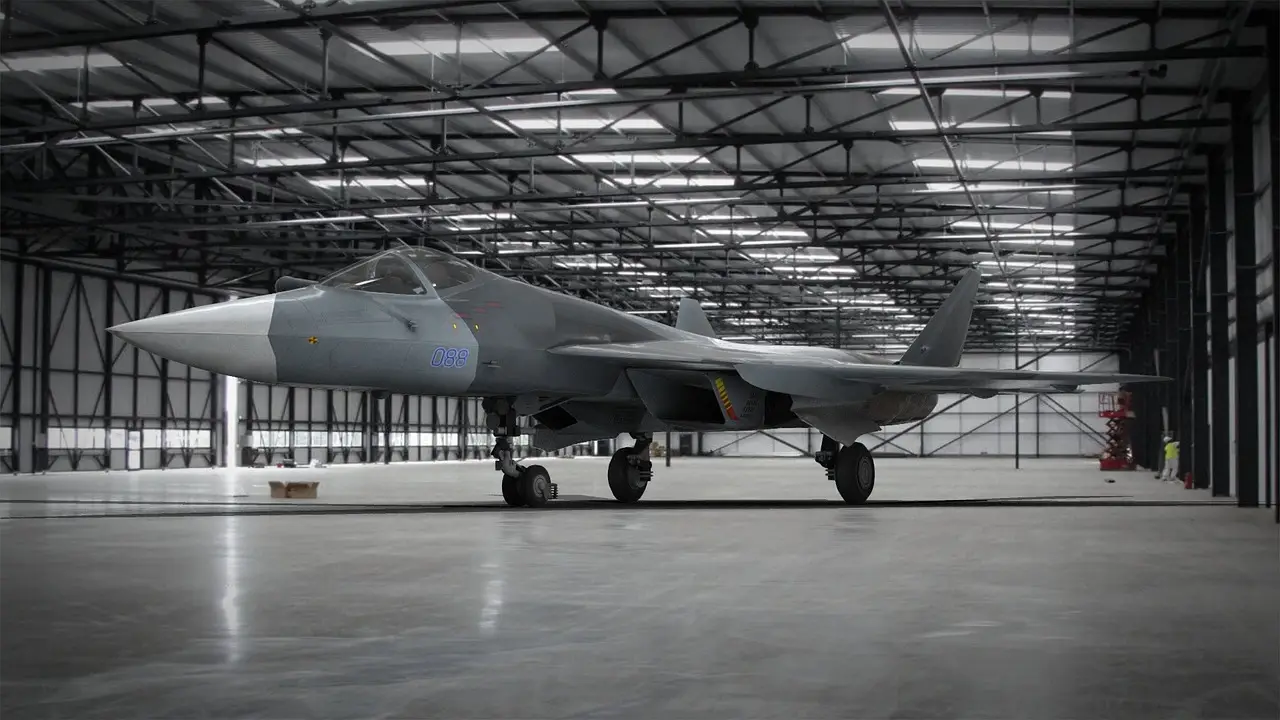
Chinese and Russian aircraft challenges to Japan's airspace reached a three-year high, according to a report by Stars and Stripes, marking a sustained escalation in military air activity around the Japanese archipelago.
The figure matters less for its novelty than for its trajectory. Three consecutive years of rising intercept workload translate directly into airframe hours, pilot fatigue and scramble costs for the Japan Air Self-Defense Force, which has tracked similar pressure cycles before. Each scramble consumes fuel, maintenance capacity and training availability that Japan's defense budget must absorb.
What is driving the increase?
The trend reflects two developments that Japanese defense planners have watched with limited enthusiasm. Chinese air activity around Japan has grown alongside Beijing's broader regional posture, and Russian flights — including joint patrols with Chinese aircraft — have added a second axis of pressure from the north and west.
Joint Chinese-Russian bomber patrols are the more strategically pointed of the two. When bombers from both countries transit the Sea of Japan or the East China Sea in coordinated fashion, they force Japan to respond to two nuclear-armed neighbors at once rather than sequentially. Tokyo has described such flights as deliberate signaling.
How does Japan respond?
The mechanism is the scramble. Japanese fighters intercept and shadow foreign aircraft approaching the country's air defense identification zone, a routine that converts geopolitical pressure into measurable operational cost. A three-year high in challenges means a corresponding high in intercept taskings — roughly, more sorties per week, more maintenance hours per month, and less slack in the force structure.
Japan has been adjusting. Tokyo's defense spending has climbed under successive national security strategies, and air defense modernization — including the F-35 fleet the country is buying in quantity — is part of that response. Whether procurement pace matches interception demand is a question the three-year figure sharpens but does not answer.
Who is counting?
Japan's Ministry of Defense publishes data on foreign aircraft interceptions, and the Japan Air Self-Defense Force executes the responses. The Stars and Stripes report on the three-year high draws on that record. The numbers are verified in the sense that they come from the operator, not the challengers.
Manufacturer and ministry claims about capacity and readiness deserve the usual scrutiny. What is documented is the intercept count and its trend. What remains promised is any near-term relief, either through diplomacy or through faster fleet expansion.
The three-year high is a fact. The trajectory that produced it is, so far, unbroken.
via Google News: Air traffic control and airspace (Source)
More from Grace Kim
Show full bio
News editor covering companies, deals and strategy in Commercial aviation industry coverage at Flightdeck Report.
503 articles
Same bay
- FDR253Japan's visitor numbers fall year-on-year for first time since 2019 · October 13, 2026
- FDR145US Carriers Resist New China Routes as Russian Overflight Ban Distorts Competition · September 27, 2026
- FDR184Houthi Strikes Push Europe–Asia Traffic Onto Central Asia Reroutes · October 12, 2026
- FDR461China Accuses Philippine Aircraft of Airspace Intrusion Over Disputed Waters · October 9, 2026
- FDR309Houthi Attacks Push Europe-Asia Air Routes Toward Longer, Costlier Diversions · October 12, 2026