Clearance CLR-2883 · AIR680
AIRCIR
Aircraft & EnginesClearance sheet
Cirium forecasts global airliner fleet near-doubling to 50,000 by 2045
Cirium's 2026 forecast sees the passenger fleet reaching 50,000 aircraft by 2045, with supply constraints and delayed retirements shaping the pace of growth.
Read-back
- Global passenger fleet forecast to grow 88% to just over 50,000 aircraft by 2045
- More than 43,000 passenger aircraft deliveries expected over 20 years; 55% for net growth
- Airbus holds 53% narrowbody share forecast; Boeing takes 60% of widebodies on 787 sales
- Operators have delayed aircraft retirements by an average of two years amid supply constraints
- 737 MAX and A320neo fleets to overtake legacy predecessors in service by 2028
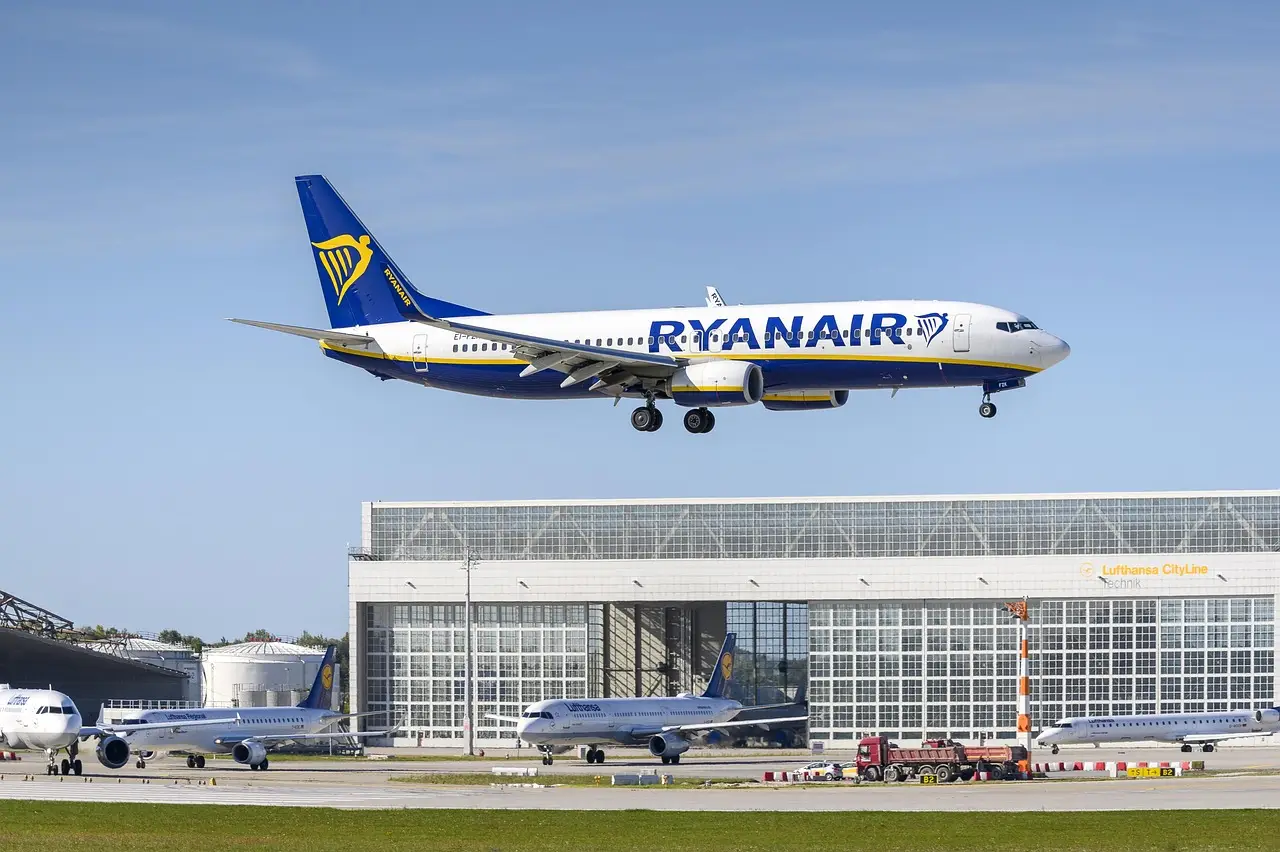
The global passenger fleet will grow 88% to just over 50,000 aircraft by 2045, according to aviation data platform Cirium's annual fleet forecast released on October 20, 2026. The projection implies annual fleet growth of 3.2%, lagging the 3.7% annual growth Cirium expects in passenger capacity, measured in available seat kilometers (ASK — the number of seats multiplied by distance flown).
Deliveries, not orders, will determine whether that figure is reached. Cirium expects more than 43,000 passenger aircraft deliveries over the next 20 years. Slightly more than half of that volume — 55% — represents net fleet growth, with the remainder replacing aircraft already in service. The freighter fleet will grow 64% to roughly 3,900 aircraft over the same period.
What does the forecast change for airlines and manufacturers?
The binding constraint is supply, not demand. Cirium identifies lingering supply-chain constraints as the main factor slowing the global fleet buildup, and its report notes the industry has failed to close the 20% capacity gap left by the COVID-19 disruption. That shock is expected to hold capacity growth below pre-2019 forecast curves through 2045.
The shortfall is already visible in retirement behavior. Many operators have postponed retirement of older aircraft by an average of two years to compensate for the delivery shortfall — a figure that carries direct consequences for maintenance costs, fuel burn and fleet-planning cycles across the industry.
Narrowbodies drive the growth, widebodies split the market
The narrowbody jet segment accounts for the largest share of expansion. Cirium projects around 20,000 narrowbody additions, doubling the current fleet of 18,302 aircraft to more than 38,000 by 2045. The widebody fleet grows at a slower but substantial 76%, from 4,419 to 7,795 aircraft.
Market shares diverge sharply between the two segments. Airbus keeps its narrowbody lead with a projected 53% share against Boeing's 38%. The order reverses in widebodies: on the strength of 787 sales, Boeing is forecast to take 60% of that market against Airbus's 37%.
COMAC moves to third as new narrowbodies arrive around 2040
Chinese manufacturer COMAC is expected to take third place in the market, surpassing Brazil's Embraer. Its position remains distant from the Airbus-Boeing duopoly, at approximately 5% of the narrowbody market.
The fleet mix will also turn over within this decade. By 2028, Cirium predicts the latest generations of the 737 and A320 families — the MAX and neo — will overtake their legacy predecessors in the number of aircraft in service. Further out, the report anticipates a new generation of narrowbody aircraft entering service around 2040, a timeline that would require manufacturers to firm up clean-sheet programs in the early 2030s if it is to hold.
For now, the near-term picture remains one of constrained output: strong demand, a persistent delivery gap, and aging fleets held in service roughly two years longer than planned. How quickly manufacturers convert backlogs into deliveries will decide whether the 50,000-aircraft fleet materializes on Cirium's schedule.
via cirium.com (Original)
More from Priya Raman
Show full bio
Market editor covering money, funding and market shifts around Commercial aviation industry coverage at Flightdeck Report.
575 articles
Same bay
- FDR496Cirium Forecast: New Aircraft Shortage Persists Until at Least 2030 · October 13, 2026
- FDR288Cirium Forecasts Nearly 750 New Freighters Over 20 Years · October 13, 2026
- FDR292Airbus Forecast: Aviation Services Market to Hit $420 Billion by 2045 · October 16, 2026
- FDR460IATA releases Global Outlook for Air Transport in 2026 · October 19, 2026
- FDR685IATA: Air Cargo Demand Climbs 4.4% in August as Capacity Slips · September 30, 2026