Clearance CLR-6306 · AIR295
AIRCOM
Aircraft & EnginesClearance sheet
COMAC's CE-25A electric aircraft completes first piloted flight in China
COMAC's 19-seat CE-25A electric aircraft flew its first piloted flight on November 14, 2026, covering 37.5 miles from Binzhou after 19 prior unmanned test flights since February.
Read-back
- First piloted flight of COMAC CE-25A took place November 14, 2026, in Binzhou, Shandong, lasting 16 minutes 38 seconds over 37.5 miles
- The 19-seat, 10-ton electric aircraft completed 19 unmanned flights since February 2, 2026
- CE-25A uses 10 electric ducted fans with a design range of 250 miles and cruise speed of 186 mph
- CATL and Shanghai Jiao Tong University are COMAC's main partners; CATL has claimed a 500 Wh/kg aviation-qualified battery cell
- COMAC has reportedly filed a type certificate application with the CAAC
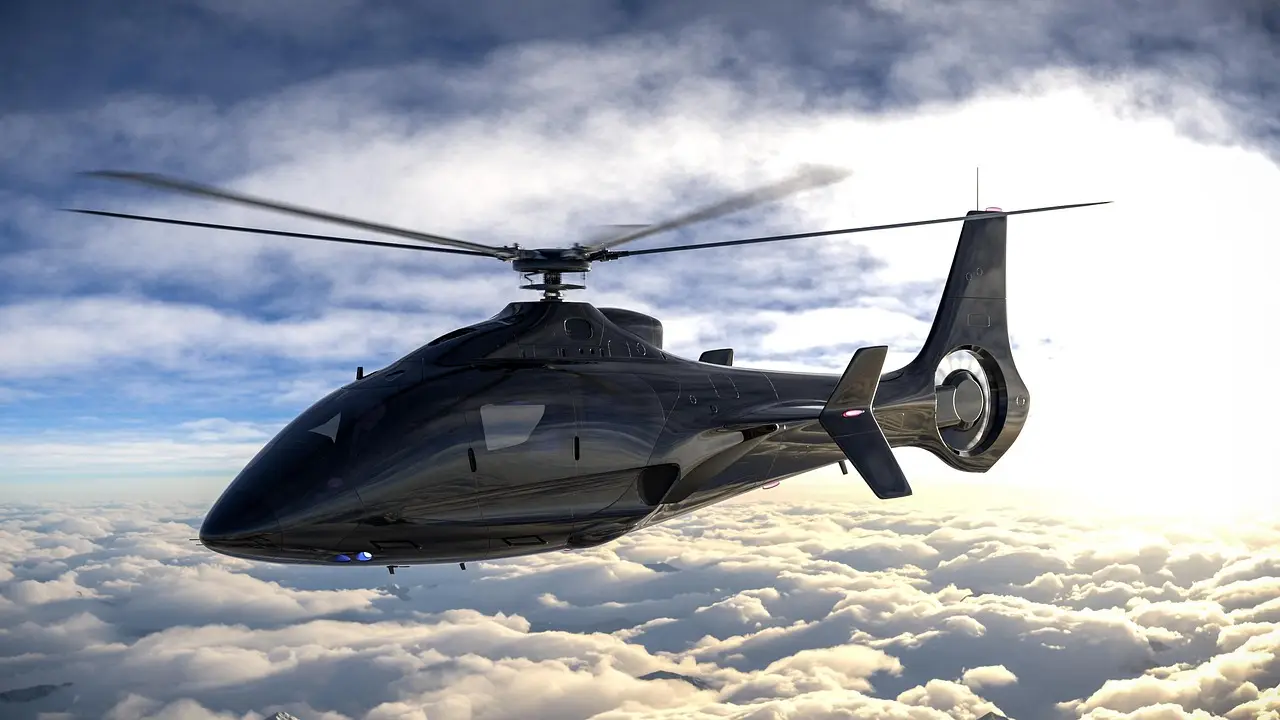
COMAC's CE-25A, China's first domestically developed fixed-wing electric commercial aircraft, completed its first piloted flight on November 14, 2026, in Binzhou, Shandong province. The aircraft carried two pilots and a flight test engineer, stayed airborne for 16 minutes and 38 seconds, and covered 37.5 miles (60.4 km). The full test cycle, including ground operations, ran 57 minutes and 46 seconds.
China News Service published video of the flight, giving the program its first public airborne proof after months of quiet testing.
What has the aircraft actually done?
The record now shows 20 flights: 19 unmanned sorties beginning February 2, 2026, followed by the November piloted flight. That unmanned-first sequence is unusual for a crewed commercial design and explains why the program stayed out of sight.
COMAC unveiled the CE-25A concept in 2023, but the first images of a full-size aircraft only emerged in October 2026, prompting speculation about the program's status until state media confirmed the test history.
The numbers define a small regional machine:
- Maximum takeoff weight: 10 metric tons
- Capacity: up to 19 passengers plus crew
- Propulsion: 10 electric ducted fans, mounted five-abreast on each wing
- Design range: around 250 miles (400 km)
- Cruise speed: 186 mph (300 km/h)
At those figures, the CE-25A targets thin regional routes rather than mainline airline networks — segments where short hops make battery energy constraints manageable.
Who is building it, and with what batteries?
State-owned COMAC leads the program. Its main industrial partner is CATL, the Chinese battery maker that already dominates the global electric vehicle supply chain, alongside Shanghai Jiao Tong University.
CATL is also pushing deeper into aviation: it is a strategic investor in Chinese eVTOL developer AutoFlight, and at the 2023 Shanghai auto show it unveiled a battery with a cell-level energy density (the energy stored per kilogram of cell) of up to 500 Wh/kg, which it said it was qualifying for aviation use. COMAC has not disclosed which battery powers the CE-25A, so any link to that cell remains unconfirmed.
What does this change for the competitive picture? China electrified its car industry faster than most Western markets anticipated, and Chinese firms can be expected to attempt the same in aerospace — potentially leapfrogging Western competitors in segments where electric propulsion is viable first.
Where does the CE-25A stand globally?
Only a handful of all-electric fixed-wing aircraft have completed flight tests. The closest to the CE-25A in size is Heart Aerospace's X1 demonstrator, which made its maiden flight in August 2026. The X1, however, is a testbed for a future larger hybrid-electric airliner, not a pure-electric product — which leaves the CE-25A among the largest all-electric designs actually flying.
Certification path
COMAC has reportedly filed a type certificate application (the regulatory approval of an aircraft's design) for the CE-25A with the Civil Aviation Administration of China (CAAC). No certification timeline has been published, and the November flight is a first crewed data point, not a validation of the aircraft's full performance envelope.
With a battery partner of CATL's scale and a regulator already engaged, the program now moves from secrecy into the longer, harder phase: proving range, reliability and certification worthiness against its stated 250-mile design target.
via AeroTime (Source)
More from Sophie Lindqvist
Show full bio
Senior reporter covering people, launches and day-to-day practice in Commercial aviation industry coverage at Flightdeck Report.
645 articles
Same bay
- FDR249AutoFlight Flies Five Unmanned eVTOLs in Formation, a First for the Sector · November 5, 2026
- FDR833COMAC C919 production ramp stalls as Chinese carrier fleets age · October 10, 2026
- FDR221Airbus A350F Freighter Takes to the Air Over Toulouse · October 10, 2026
- FDR464Chery Unveils Two Lingxiao eVTOL Concepts at Wuhu Innovation Conference · October 22, 2026
- FDR971EASA Pulls Reduced-Crew Objective as Pilotless Talk Grows Louder · November 12, 2026