Clearance CLR-1443 · AIR344
AIRCOU
AirportsClearance sheet
Court Clears Schiphol's Halving of Ground Handlers to Three
A Hague court has upheld Schiphol's tender cutting ramp handlers from six to three. Aviapartner, Menzies and Swissport lost every objection. Here is what the ruling changes.
Read-back
- Schiphol reduced its ground handling operators from six to three via a concession tender launched in December 2025.
- On 23 September 2026 the District Court of The Hague rejected all objections from Aviapartner, Menzies Aviation and Swissport.
- dnata, KLM and Viggo won the concessions; EU rules require at least two suppliers and one independent of airport and dominant carrier.
- EU Directive 96/67/EC, in force since 1997, opened ground handling to competition but allows member states to cap suppliers at a minimum of two.
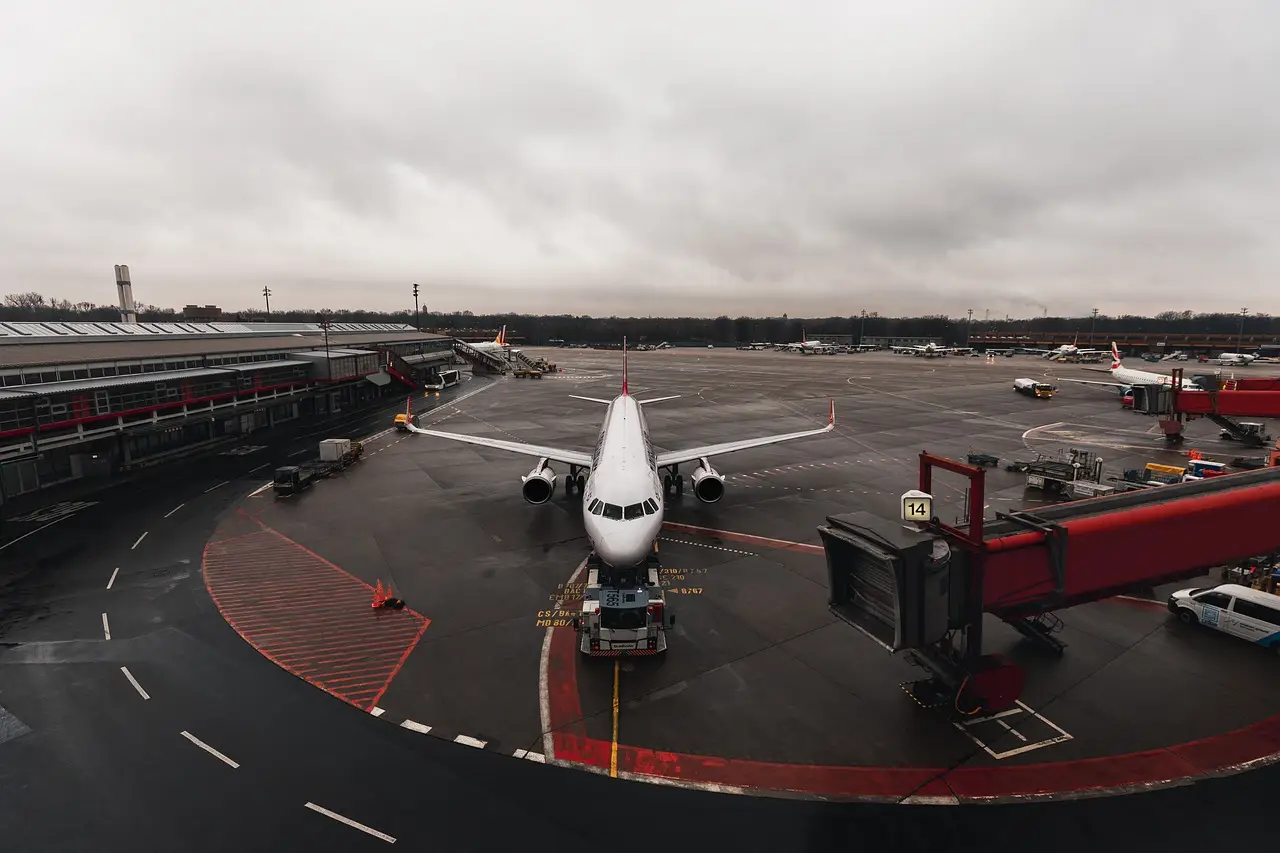
Schiphol cut its licensed ground handlers from six to three on 23 September 2026, when the District Court of The Hague rejected every objection raised by the three losers. The ruling makes the airport's concession tender legally final. dnata, KLM and Viggo hold the ramp. Aviapartner, Menzies Aviation and Swissport are out.
The decision did not appear from nowhere. Schiphol launched a formal tender for ground handling concessions covering baggage handling and apron services in December 2025, as Aviation Pros / Ground Support Worldwide reported. That process moved Europe's second-busiest hub airport from an open handling market to a regulated concession model. Six companies bid. Three won, in a provisional selection announced in June 2026.
What does EU law actually permit?
The framework dates to 1997. EU Directive 96/67/EC opened ground handling at EU airports to competition, ending the old model in which handling sat as a monopoly with the airport or its flag carrier. The European Commission's transport directorate confirms the directive created a managed market, not a free one.
For certain categories, including baggage and ramp handling, member states may limit suppliers to a minimum of two. That floor is the lowest the law permits, not a target. The directive also imposes an independence test: at least one supplier must be independent of both the airport and the dominant carrier.
At Schiphol, the dominant carrier is KLM. KLM won a concession. The independence requirement therefore falls on dnata or Viggo. Both sit outside the Schiphol-KLM orbit, so the selection satisfies the rule on its face. Whether it satisfies the rule in practice is a separate question the court did not need to answer.
How the court fight unfolded
All three unsuccessful bidders filed summary proceedings — a kort geding in Dutch law, an expedited route for urgent interim relief rather than a full merits trial, though the findings carry immediate legal weight. The District Court of The Hague heard all three cases jointly on 2 September 2026. dnata, KLM and Viggo intervened on Schiphol's side. Swissport's works council asked to join on Swissport's side. The court refused.
Three weeks later, the court rejected all objections. Aviapartner, Menzies and Swissport now face the loss of an entire station at a major European hub — slot access, ground equipment investments and a local workforce, all at once. All three operate across multiple European airports, so the blow is damaging but not terminal. A smaller single-station operator hit by an equivalent ruling might not survive it.
What does this change for airlines and passengers?
The case settles a question of airport power. Under the EU framework, an airport is not merely a landlord. It is a licensor with authority to decide how many handling concessions exist and, through a competitive tender, who holds them. The directive sets a floor of two for restricted categories. Everything above that floor is discretion, and The Hague has confirmed the discretion runs wide.
The consequences are mixed. Fewer handlers can mean consistent service standards and clearer accountability. It can also mean thinner resilience: if one of three handlers suffers industrial action, Schiphol now has fewer alternatives than it had with six.
Schiphol's shift from open market to concession model tracks a wider European rethink of ground handling regulation under way since the directive turned thirty. Other hub airports now have a confirmed precedent that halving the handler count, if tendered properly, will withstand court challenge — and the losing bidders' next moves, at other stations, will show whether consolidation or exit is the sector's response.
via theaviationhub.co.uk (Source)
More from James Calloway
Show full bio
Staff writer covering people, launches and day-to-day practice in Commercial aviation industry coverage at Flightdeck Report.
619 articles
Same bay
- FDR373Schiphol Cuts Ground Handlers to Three After Court Backs Tender · September 28, 2026
- FDR337dnata publishes lessons from 'challenging' Schiphol cargo launch · October 10, 2026
- FDR601Schiphol joins Pharma.Aero as 1.43m-tonne cargo gateway eyes pharma share · October 10, 2026
- FDR128Schiphol cargo volumes climbed in September · October 19, 2026
- FDR923Menzies wins seven-year Portugal handling licenses at three airports · October 30, 2026