Clearance CLR-7225 · AIR810
AIRDGK
AirportsClearance sheet
DG Khan Airport Upgrade to International Status Targeted for January 2028
Pakistan's DG Khan Airport will be converted into an international facility by January 2028, official Leghari announced, setting a deadline for the Punjab infrastructure project.
Read-back
- DG Khan Airport's conversion to international status is targeted for January 2028 completion.
- Leghari announced the project's completion timeline in available reporting carried by Energy Update.
- The facility currently operates as a domestic airport serving southern Punjab's industrial district.
- No budget, runway specifications, terminal capacity targets, or airline commitments were disclosed in the source.
- The upgrade will add customs, immigration, and security infrastructure required for scheduled international flights.
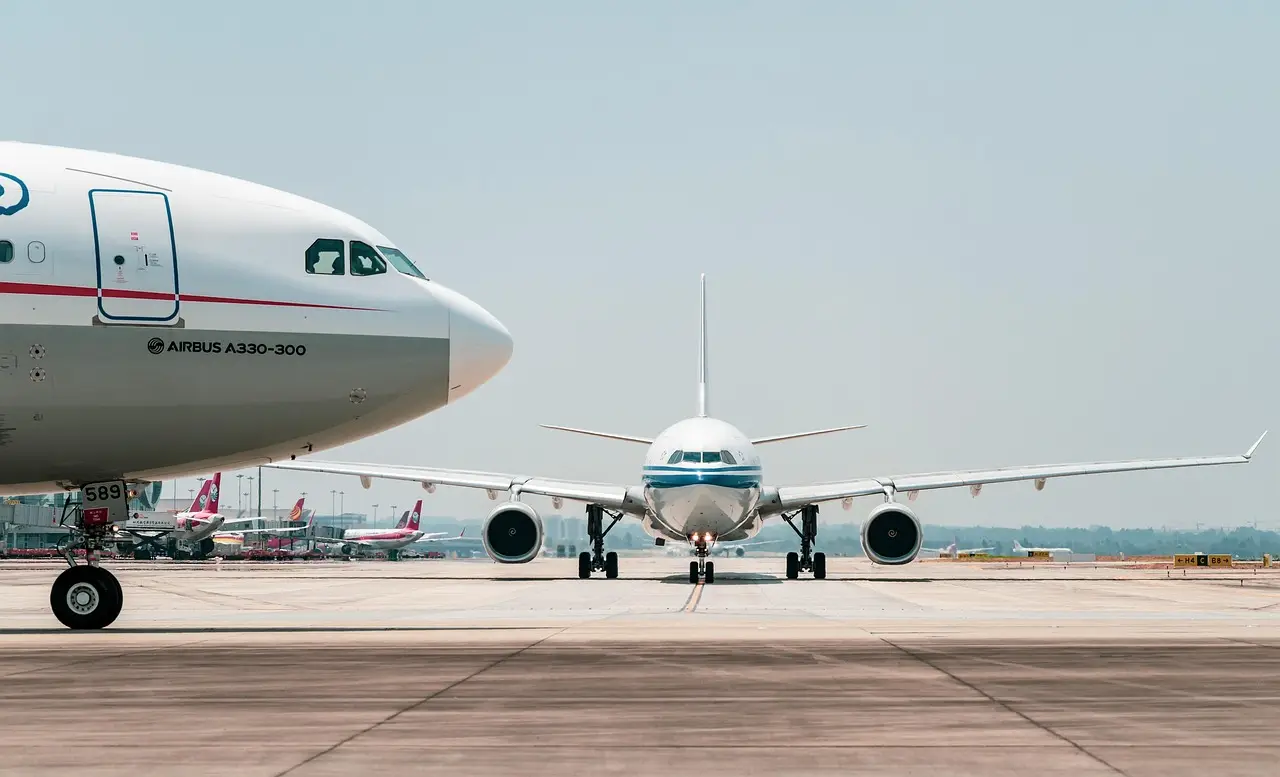
DG Khan Airport's conversion into an international facility is scheduled for completion by January 2028, according to Leghari, the official who announced the timeline. The deadline anchors a multi-year infrastructure programme that will upgrade the Punjab-based domestic field into a customs-equipped, internationally designated airport.
The announcement, carried by Energy Update, sets a firm date for a project that has until now moved through planning rather than construction. Leghari did not disclose the project budget, runway specifications, terminal capacity targets, or which international carriers the government anticipates serving the new facility in the available reporting.
DG Khan currently operates as a domestic airport serving the southern Punjab city of the same name, a region with significant industrial activity tied to cement manufacturing and power generation. The upgrade adds the customs, immigration, and security infrastructure required to handle scheduled international flights — categories of work that determine whether an airport can accept revenue foreign services.
What does the upgrade change for passengers?
A domestic-to-international conversion typically adds longer runway capability to accommodate larger narrowbody and regional widebody airframes (single-aisle jets and smaller twin-aisle jets), dedicated customs halls, immigration counters, and bonded cargo facilities. These additions decide whether airlines can economically serve the city on regional routes or Gulf-bound services.
Punjab's labour corridors to Saudi Arabia and the United Arab Emirates historically generate substantial outbound traffic. DG Khan sits within driving range of districts that currently travel to Multan or Lahore for international departures, and a functioning international field could redirect a measurable share of that demand.
What does it change for airlines?
Without confirmed route rights, bilateral air-service agreements, or airline commitments, the practical impact on carriers remains uncertain. The completion date alone does not guarantee scheduled service.
Operators require commercial justification — passenger demand at viable fare levels, slot availability at destination airports, and fleet economics — before opening international routes from a secondary Pakistani city. The cost calculus also includes ground-handling contracts and catering at the new facility.
What regulatory pathway applies?
In Pakistan, an international designation requires coordination with the Pakistan Civil Aviation Authority (PCAA), the federal Ministry of Aviation, and customs authorities. Each step adds time and cost.
The January 2028 target will depend on budget approvals, environmental clearances, and federal-provincial coordination that Leghari's announcement does not yet address. None of those milestones have public deadlines attached.
What about freight and network effects?
The same infrastructure that enables passenger international flights also opens belly-cargo capacity (underfloor hold space on passenger jets) to Gulf and South Asian destinations. For an industrial district like DG Khan, that could reduce dependence on road freight to coastal ports such as Karachi and Gwadar.
Pakistan's secondary airports have produced mixed results from international upgrades. Multan's international terminal handles growing traffic, while smaller facilities have struggled to attract service beyond charter or Hajj operations. DG Khan's industrial base offers a freight anchor that purely residential catchments lack, which could differentiate the project's economics from previous conversions.
What is the timeline's credibility?
The most concrete number in the project today is the January 2028 completion date. Until construction contracts, financing details, and airline commitments become public, that date functions as a political target rather than a confirmed delivery milestone.
The coming months will show whether Leghari's timeline holds against the bureaucratic and fiscal pressures that have delayed similar upgrades at other secondary Pakistani airfields, or whether it slips the way several announced deadlines have in Pakistan's airport modernisation pipeline.
via Google News: Airport expansion (Source)
More from Sophie Lindqvist
Show full bio
Senior reporter covering people, launches and day-to-day practice in Commercial aviation industry coverage at Flightdeck Report.
561 articles
Same bay
- FDR965Asia Airport Expansion Push Forces Strategic Rethink Across Sector · October 3, 2026
- FDR699Modi to Inaugurate Leh Airport Expansion and Ladakh Road Projects · October 14, 2026
- FDR368Japan and Mongolia Strike Yen Loan Deal for Airport Expansion · September 29, 2026
- FDR573Bangladesh Targets $300 Million Fast-Track Upgrade for Chattogram Airport · October 10, 2026
- FDR849Pakistan Extends Airspace Ban on Indian Aircraft to 24 November · October 19, 2026