Clearance CLR-7881 · AIR368
AIRJAP
AirportsClearance sheet
Japan and Mongolia Strike Yen Loan Deal for Airport Expansion
Japan and Mongolia have agreed on yen loans to fund airport expansion, extending Tokyo's concessional financing role in Mongolian aviation infrastructure begun with Ulaanbaatar's new gateway.
Read-back
- Japan and Mongolia have agreed on yen-denominated loans to finance airport expansion work
- Chinggis Khaan International Airport was previously rebuilt with Japanese financing and opened in 2021 at roughly ¥49 billion
- Loan value, disbursement schedule and specific works to be funded have not yet been disclosed
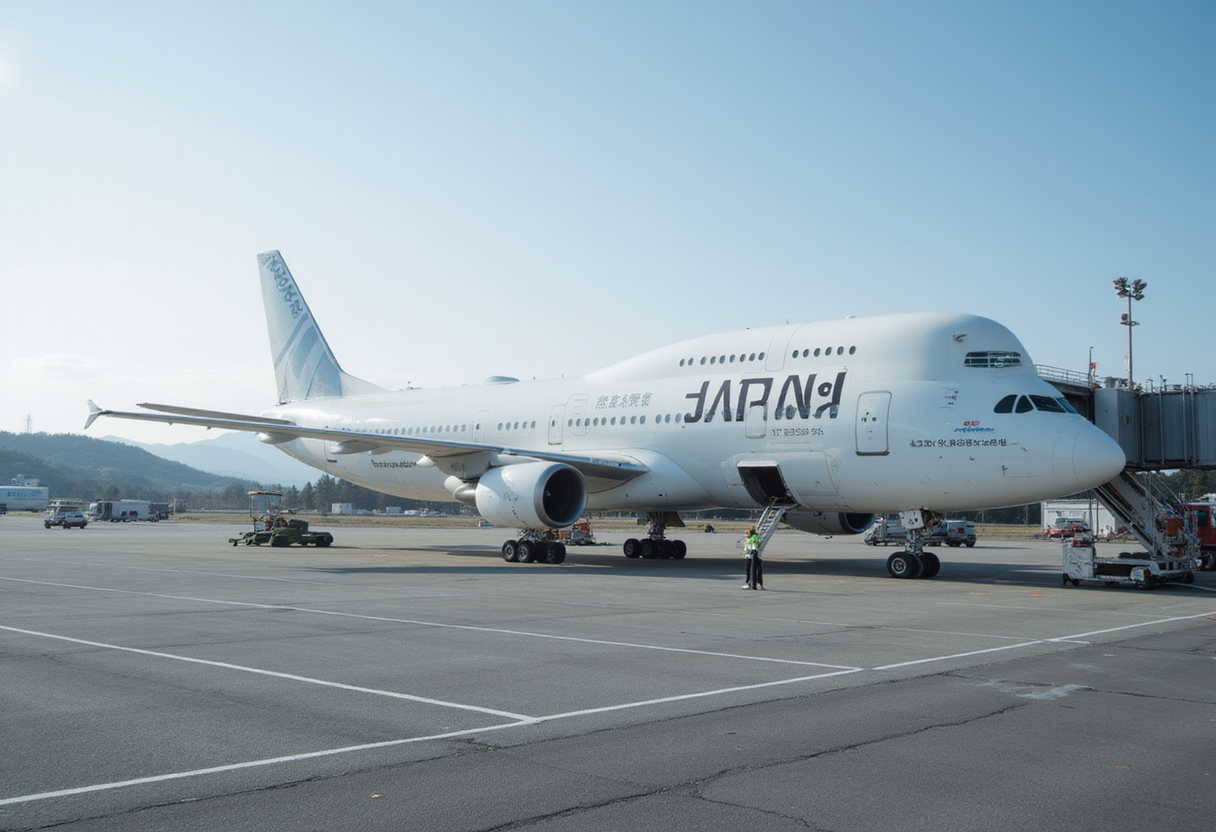
Japan and Mongolia have agreed on yen-denominated loans to fund the expansion of an airport in Mongolia, tightening a bilateral infrastructure relationship that has already reshaped the landlocked country's main aviation gateway.
The agreement, reported by nippon.com, commits Japanese government financing to airport expansion work in Mongolia. It continues a pattern of Japanese official development assistance under which Tokyo has financed Mongolian aviation projects through concessional yen loans — an instrument Japan has used across Southeast and Northeast Asia to fund runways, terminals and air navigation equipment.
For Mongolia, the stakes are straightforward. The country's economy depends heavily on mineral exports, and its carriers and airport network have historically operated under capacity constraints, harsh winter conditions and limited direct international connectivity. Passenger and cargo volumes at Ulaanbaatar's gateway have grown with the broader Central Asian travel market, and Chinggis Khaan International Airport — itself rebuilt with Japanese financing and opened in 2021 at a cost of roughly ¥49 billion — has been the locus of most of that growth.
The new loan agreement signals that Tokyo sees continued commercial and strategic value in Mongolia's air transport infrastructure. Japan's Official Development Assistance program has repeatedly targeted airports as anchor investments: concessional loans carry long maturities and below-market interest rates, and they typically come paired with Japanese contractors, engineering consultancies and equipment suppliers. For Japanese construction and airport-technology firms, Mongolian expansion work represents a modest but bankable pipeline in a market where Japanese lenders face little competition from Western export-credit agencies.
For Mongolian aviation, added terminal and airside capacity translates directly into network consequences. Additional gates and stands determine whether carriers can add frequencies to Seoul, Tokyo, Istanbul or Frankfurt during the compressed summer season; cargo capacity affects whether perishable and high-value shipments move by air or overland through China or Russia. Airport capacity, in short, is the binding constraint on Mongolia's ability to convert its geographic position into transit and origin-destination traffic.
The financing structure also matters for Mongolia's fiscal position. Yen loans denominated in Japanese currency expose the borrower to exchange-rate risk, but the concessional terms — extended repayment periods and low interest rates — have made them materially cheaper than commercial borrowing for a country rated below investment grade. Japanese ODA loans to Mongolia have historically covered transport, water and energy projects, and aviation has been among the most visible.
Neither government has yet published the loan's full value, disbursement schedule, or the specific expansion works it will fund. Those details — typically disclosed through Japan's Ministry of Foreign Affairs and the Japan International Cooperation Agency, which administers the loans — will determine whether the financing covers terminal expansion, runway works, or supporting airside infrastructure.
What is settled is the commitment itself: Tokyo will finance the next phase of Mongolian airport growth, extending a financing relationship that has already delivered the country's principal international gateway. The two governments are expected to release implementation details, including loan value and construction timelines, as the agreement moves from signature to execution.
via Google News: Airport expansion (Source)
More from Sophie Lindqvist
Show full bio
Senior reporter covering industry trends and analytics at Flightdeck Report.
161 articles
Same bay
- FDR509Japan Extends Yen Loans to Mongolia for Airport Expansion · September 30, 2026
- FDR813Japan to Lend Mongolia ¥150 Billion for Airport Expansion · September 27, 2026
- FDR357Japan to Lend Mongolia ¥150 Billion for Airport Expansion · September 28, 2026
- FDR661Japan and Mongolia Agree Yen Loans for Airport Expansion · September 29, 2026
- FDR859Turkic Investment Fund to Finance Almaty Airport Expansion · September 28, 2026