Clearance CLR-8922 · SAF449
SAFEAS
Safety & OperationsClearance sheet
EASA 2026 safety review: 11 HEMS events, 22 training events
EASA’s 2026 review found 11 HEMS accidents and serious incidents in 2025, against a 10-year average of eight, while flight training and instruction recorded 22 events.
Read-back
- EASA’s 2026 review covered 2025 accident data and found fatal and serious-injury outcomes stable against a five-year average.
- The serious-incident count was significantly above the previous 10-year average.
- In-flight loss of control was identified in 42% of fatal accidents over 10 years.
- HEMS recorded 11 accidents and serious incidents versus a 10-year average of eight.
- Flight training recorded 22 events versus 13.3; private pleasure flying recorded 21 versus 14.
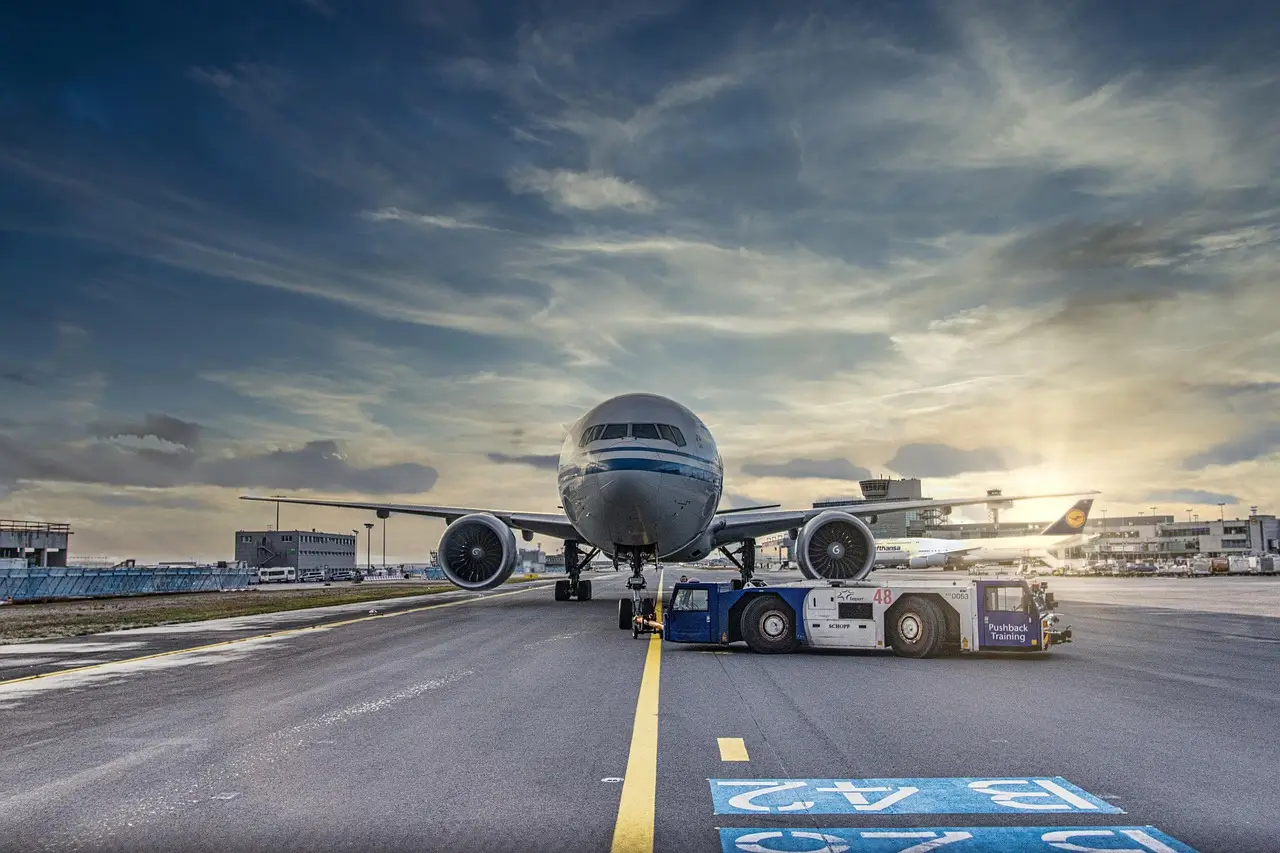
The European Aviation Safety Agency (EASA) counted 11 helicopter emergency medical service accidents and serious incidents in 2025, 37.5% above the 10-year average of eight. HEMS recorded the largest total among commercial missions, while the agency’s 2026 annual safety review also counted six air-taxi events against a 10-year average of 3.1.
The aggregate outcome was steadier. Fatal accidents and non-fatal accidents causing serious injury remained broadly stable against the previous five-year average, EASA said. Serious incidents were significantly more numerous than the previous 10-year average, although the review supplied no overall count for that comparison. The contrast concerns accident outcomes versus incident reporting, not proof that every measure worsened.
The two baseline horizons answer different questions. EASA judged fatal and serious-injury outcomes against five years, while its causal and mission-sector averages cover 10 years. Short-term stability therefore coexists with a serious-incident count above the longer-term norm.
What caused the fatal accidents?
Primary causal factors did not shift materially. In-flight loss of control remained the cause identified in 42% of fatal accidents over the past 10 years, roughly two in five, and EASA linked most of those events to inadvertent entry into instrument meteorological conditions.
Within that pattern, EASA identified 'inadvertent entry into instrument meteorological conditions (IIMC)' as the leading primary factor in non-commercial operations. For commercial operations, it cited 'collision with obstacles on take off or landing,' abbreviated CTOL.
For operators, those categories point to different controls: commercial crews face obstacle exposure during take-off and landing, while non-commercial missions face inadvertent instrument conditions. The figures do not justify a fleet-wide capacity cut or an industrywide slowdown claim, and the reported findings announce no associated regulatory action or capacity restriction.
Training, procedure and dispatch responses may carry cost, but the review attaches no figure to that burden. The reported totals do not name an airline, aircraft type, manufacturer, base or network operator, so they cannot support a fleet-specific verdict or show which services would contract.
Which commercial missions reported the most events?
EASA’s 2025 commercial comparison used raw event totals rather than rates per flight hour. The percentage changes below use the agency’s published 10-year averages:
- HEMS: 11 accidents and serious incidents, against an average of eight, or 37.5% higher.
- Air Taxi: six events, against an average of 3.1, making the 2025 count about 94% higher.
- OES: one event, against an average of 0.8, a raw count 25% above average.
- Air Tours: one event, against an average of 1.3, about 23% below average.
EASA described OES and Air Tours as the best performers in absolute terms, although each recorded one event. Once hours flown were considered, OES performed significantly better; EASA called that unsurprising given the type and nature of its mission profile. A safety rate needs exposure data; one event is not a rate.
Why did training and private flying stand out?
EASA’s general-aviation comparison produced two conspicuous totals. Flight training and instruction generated 22 events in 2025, against a 10-year average of 13.3, about 65% higher; private pleasure flying generated 21, against 14, 50% higher.
EASA cited the greater frequency of manoeuvres such as power-off landings in the training profile. For private pleasure flying, it pointed to lower total flight time, lower pilot currency and less recent flying experience as elements to consider. These are signals for scrutiny, not proof of a single cause.
What should operators watch next?
The next test is whether serious incidents remain above the 10-year norm while fatal and serious-injury accident outcomes stay near the five-year benchmark. HEMS, air taxi and flight training show the clearest raw increases, whereas OES ranks better once flight hours enter the calculation.
If elevated reporting persists, the case strengthens for targeted operational and training controls. The next review will test those controls against the 10-year sector averages.
via Google News: Aviation safety (Source)
More from Grace Kim
Show full bio
News editor covering companies, deals and strategy in Commercial aviation industry coverage at Flightdeck Report.
555 articles
Same bay
- FDR730EASA counts 116 aviation fatalities in 2025 annual safety review · September 30, 2026
- FDR366Army report finds systemic failures behind DC midair collision that killed 67 · October 9, 2026
- FDR489South African Aviation Fatalities Rise Despite Oversight Ranking · October 14, 2026
- FDR884Army Report Finds Systemic Failures Behind DC Midair Collision · October 9, 2026
- FDR940Army attributes DC midair collision to systemic failures, recommends safety fixes · October 13, 2026