Clearance CLR-1217 · SAF572
SAFFAA
Safety & OperationsClearance sheet
FAA orders nationwide ground stop after all en route centers lose comms
The FAA halted all US departures on November 13, 2026 after a comms failure hit every en route control center, with about 3,100 aircraft airborne — the second nationwide stop since 9/11.
Read-back
- FAA ordered a nationwide ground stop shortly before 4 p.m. ET on November 13, 2026
- About 3,100 aircraft were airborne and US-bound during the stop, per Flightradar24
- Second nationwide ground stop since 9/11; first since January 11, 2023
- Previous stop in 2023 lasted ~90 minutes after a Notam system database failure
- White House and DOT requested $30.1 billion for aviation modernization hours earlier, including $10.1 billion for ATC upgrades
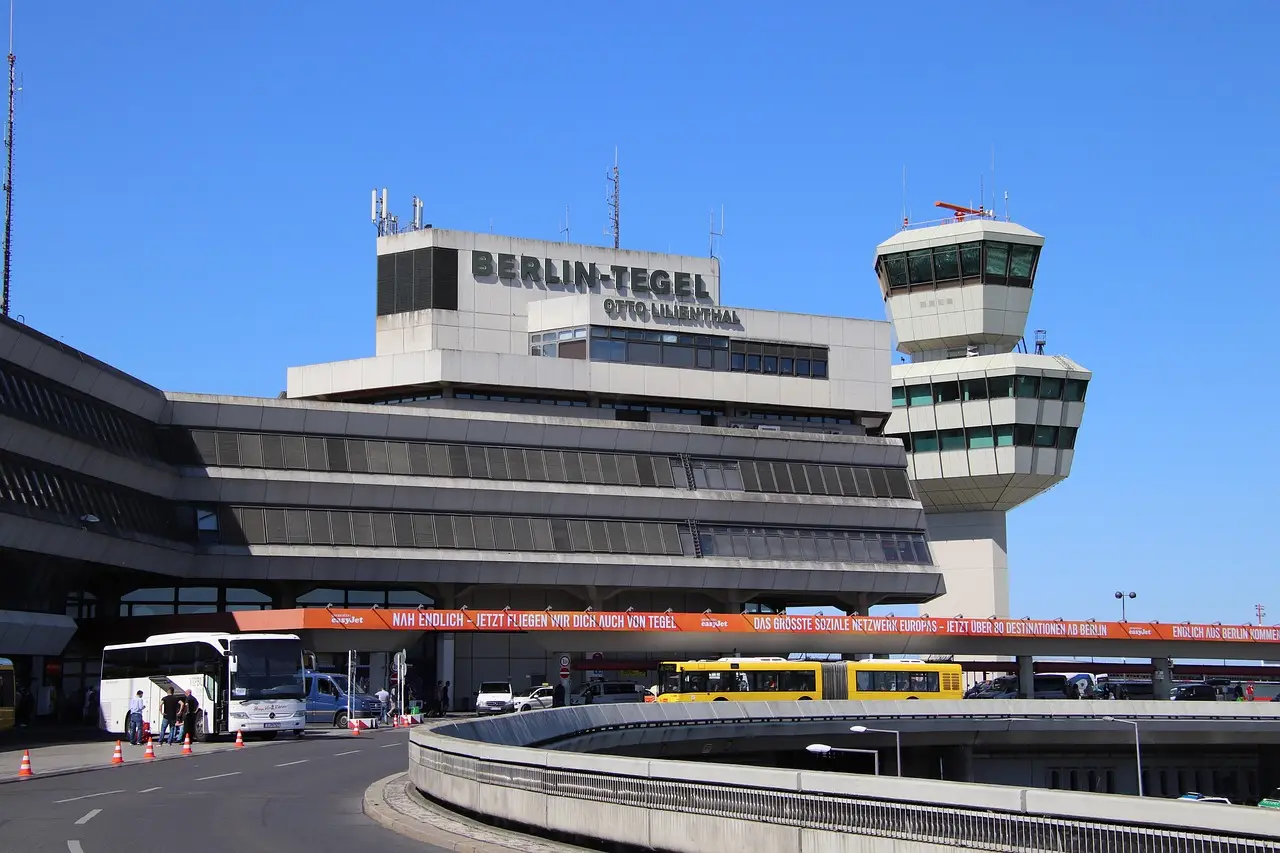
The FAA halted every US departure shortly before 4 p.m. Eastern on November 13, 2026, after a communications failure hit all 22-plus Air Route Traffic Control Centers at once. It was only the second nationwide ground stop since the 9/11 attacks, and the first since January 11, 2023.
The scale was immediate and measurable. Flightradar24 counted roughly 3,100 aircraft airborne and bound for US airports during the stop. That figure covers every US-bound flight in the air at the time. How many were actually holding, not just flying, remained unclear hours into the event — a gap the data did not close.
The FAA then told crews to expect airborne holding at airports nationwide because of equipment outages. Airports did not all behave the same way. At San Francisco International, spokesman Doug Yakel said aircraft already en route continued to land while departures were held. Houston's George Bush Intercontinental confirmed it was holding all departures.
What failed, and who said what?
Transportation Secretary Sean Duffy called it "a communication issue impacting all Air Route Traffic Control Centers" and said FAA technicians were investigating. That is the full extent of the official explanation. His statement did not name the failed system. It gave no time for departures to resume.
The regional centers handle aircraft primarily in the en route phase, between departure and approach. A failure touching all of them simultaneously is not a local outage. It suggests a shared layer — network, switching, or a common software dependency. The FAA has not said which.
The nationwide order followed an earlier halt in Chicago, where controllers had already encountered communications problems. That sequence matters. A cascade that begins regionally and then goes national points to something propagating through interconnected infrastructure, not isolated hardware.
What is the precedent?
The last comparable event offers a sobering benchmark. The January 11, 2023 ground stop lasted roughly 90 minutes after the Notice to Air Missions system went down. The FAA later determined that contract personnel had inadvertently deleted files while synchronizing the primary and backup databases.
Note what that finding implied. A routine maintenance task, performed by contractors, took down a national system because the synchronization between primary and backup failed. Whether November 13's failure shares that pattern — contractor error, weak redundancy, or both — the FAA has not said. Until it does, the 2023 outcome should frame expectations.
What does this change for passengers and airlines?
For airlines, a nationwide stop is the costliest disruption category short of airspace closure. Roughly 3,100 aircraft already airborne must be absorbed through holding and sequencing. Departures on the ground cannot push. The knock-on effects — crew timeouts, missed connections, aircraft out of position — will run into the following day even if the stop is short. The source gives no duration figure yet, so any cost estimate would be speculation.
For passengers, the practical answer is delay, not danger. Aircraft in the air remained under controller handling; San Francisco's account of continued landings confirms the system degraded rather than collapsed.
The budget timing is hard to ignore
Hours before the ground stop, the White House and the Department of Transportation asked Congress for an additional $30.1 billion for aviation infrastructure modernization. Of that, $10.1 billion was earmarked for air traffic control upgrades.
The juxtaposition writes itself, and officials will not miss it. An agency requesting $10.1 billion for ATC modernization then suffers a simultaneous failure across every en route center. Advocates of the funding will cite November 13 as evidence of urgent need. Skeptics will ask how the previous appropriations were spent. Both questions will follow the FAA's incident report.
What is not yet known: the failed system's identity, the restoration timeline, and whether the Chicago outage and the national failure share a root cause. The FAA's technicians are investigating. The January 2023 precedent suggests the answer, when it comes, may prove more mundane — and more damning of process than of technology.
via AeroTime (Source)
More from James Calloway
Show full bio
Staff writer covering people, launches and day-to-day practice in Commercial aviation industry coverage at Flightdeck Report.
639 articles
Same bay
- FDR987Four-Hour FAA Ground Stop Grounds Thousands of Flights Nationwide · November 14, 2026
- FDR166FAA lifts nationwide ground stop after 6,000-flight cancellation surge · November 14, 2026
- FDR574ATC Failure Grounds Hundreds of U.S. Flights, Exposing Aging Infrastructure · October 14, 2026
- FDR175FAA Orders Nationwide US Ground Stop on November 13 · November 14, 2026
- FDR218FAA Halts All US Departures After Telecom Outage Hits ATC Centers · November 14, 2026