Air CargoClearance sheet
Federal Police inspections delay shipments at Guarulhos
Federal Police inspections left trucks waiting days at Guarulhos, which handled a record 99,500 tonnes in Q3 2026 and carries most Brazilian air trade overall.
Read-back
- Guarulhos cargo terminal handled a record 99,500 tonnes in Q3 2026, up 14.4% year on year and excluding courier shipments.
- The hub accounted for 59% of Brazil’s air exports and 55% of air imports in 2025.
- A Federal Police operation ran from 18 to 22 November; trucks arriving on 20 November were still waiting days later.
- VL Cargo temporarily suspended new export acceptance, while Lufthansa Cargo rebooked outstanding weekend shipments.
- Perishables, live animals and special cargo continued as usual, but the airport gave no recovery date.
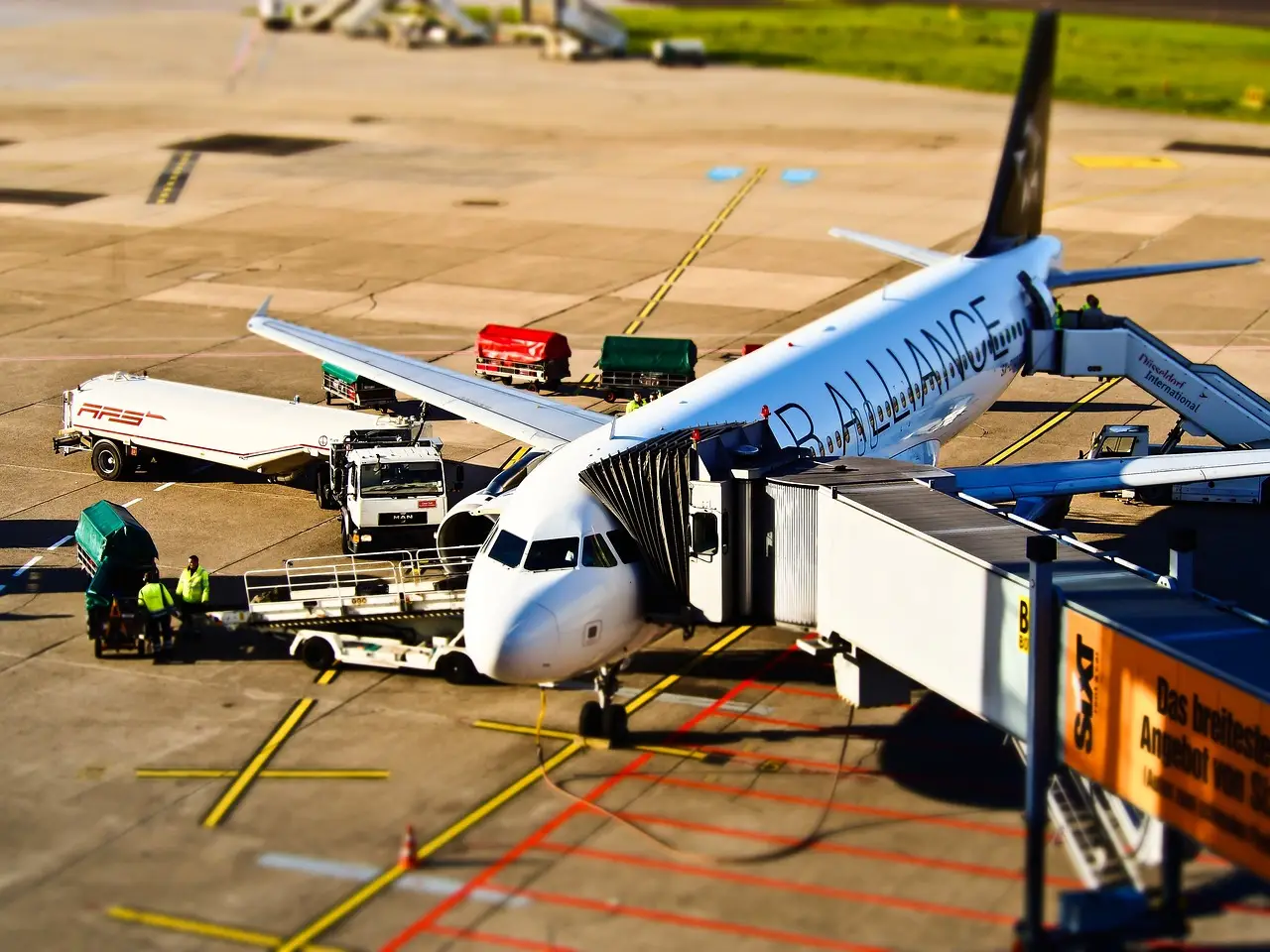
A record 99,500 tonnes passed through the Guarulhos cargo terminal in the third quarter of 2026, 14.4% more than a year earlier, excluding courier shipments. Brazil’s busiest international air cargo gateway now faces a November bottleneck, as tighter export inspections left freight in the warehouse and reduced space for new arrivals.
Kuehne+Nagel linked the disruption to a Federal Police operation that ran from 18 to 22 November. On Tuesday, the company said some trucks arriving at São Paulo’s Guarulhos Airport on Friday 20 November were still waiting days later to unload. Some airlines could not collect freight from the terminal, leaving less room for new shipments.
This compounded a recurring import-collection problem. In June, the airport warned that imports were arriving faster than cleared freight was being collected, tying up warehouse space and slowing receiving, storage and handover. It flagged the same imbalance again on 12 November. That imbalance delayed the handover of imports that had already cleared customs.
On Monday, Brazilian freight forwarder VL Cargo (a company that arranges transport for shippers) temporarily suspended acceptance of new export freight and advised customers to “hold deliveries.” The airport said its terminal remained open around the clock and asked hauliers to “confirm a slot before sending trucks.”
Perishables, live animals and special cargo continued to move as usual, although the airport gave no date for recovery. Lufthansa Cargo separately told customers it would rebook outstanding weekend shipments, Brazilian trade outlet FUP News reported.
The carrier said the terminal had temporarily stopped handing general cargo over to airlines and halted acceptance of new freight into storage when the warehouse reached capacity. This distinction explains why some cargo kept moving while general freight accumulated.
Federal Police announced an anti-trafficking operation at Guarulhos on 18 November. Police and customs officers continued inspections at cargo acceptance points and in airline storage areas. The airport attributed the backlog to intensified checks on dry export cargo, without identifying a specific operation.
What does this change for cargo operators?
For airlines and forwarders, the change is a loss of usable storage space, not a terminal closure. When cleared imports and inspected exports remain in the warehouse, fewer shipments can be received, handed over or collected, so the stoppage feeds directly into wider handling delays.
For shippers, the practical cost is schedule uncertainty: VL Cargo told customers to hold deliveries, while Lufthansa Cargo said it would rebook outstanding weekend shipments. Without a recovery date, shippers and carriers had no firm schedule for clearing the accumulated general cargo.
Running the terminal around the clock did not remove the bottleneck because the constraint was available space and handover capacity, rather than opening hours. Police and customs inspections at both acceptance points and storage areas also left cargo subject to checks before onward movement.
A problem at this hub reaches most Brazilian air trade. Guarulhos accounted for 59% of Brazil’s air exports and 55% of its air imports in 2025, according to the airport operator. Its record third-quarter volume therefore magnifies any interruption to collecting cleared freight and accepting new shipments.
The cargo mix also determines which flows can absorb delays. Automotive freight represented 20% of terminal traffic, followed by pharmaceuticals, chemicals and hospital supplies at 19%, and machinery at 12%. Perishable and animal cargo retained normal handling while general cargo faced the temporary suspension.
The export mix makes timing commercially important. Fruit and eggs accounted for 36% of Guarulhos’s air export tonnage in 2024, with papayas and mangoes making up nearly four-fifths of fruit shipments. On the import side, electrical and electronic goods and chemical-industry products, including medicines, were the two largest categories by weight, according to São Paulo state’s logistics plan.
The near-term test is whether inspections and collections return to balance before more general cargo accumulates. Until the airport or airlines publish a recovery date, the record third quarter will coexist with an uncertain clearance timetable at Brazil’s main air cargo gateway.
via The Loadstar (Source)
More from Sophie Lindqvist
Show full bio
Senior reporter covering people, launches and day-to-day practice in Commercial aviation industry coverage at Flightdeck Report.
724 articles
Same bay
- Uncollected AI Equipment Clogs Taoyuan as Freighters Queue · November 5, 2026
- Cameroon Opens Probe Into Airport Cargo Bottlenecks · October 15, 2026
- Navi Mumbai Airport Acts as 1,000 Tonnes of Cargo Sit on Dollies · October 10, 2026
- Adani Airports suspends Russia-bound cargo, 150 tonnes held up · October 9, 2026
- Adani suspends Russia-bound air cargo at eight airports, stranding 150 tonnes · October 9, 2026