Air CargoClearance sheet
My Freighter links Shijiazhuang and Belgrade via Tashkent
My Freighter launched a Boeing 767-300 freighter service from Shijiazhuang to Belgrade via Tashkent on Nov. 18, the first cargo link between the Chinese city and the Serbian capital, with two weekly flights planned.
Read-back
- My Freighter launched Shijiazhuang–Tashkent–Belgrade cargo service on Nov. 18 with a Boeing 767-300 freighter
- Two weekly flights are planned, carrying nearly fifty tonnes of cargo, mainly clothing and automotive parts
- Belgrade Airport handled 15,053 tonnes of freight from January to October, up 40.3% year-on-year
- Shijiazhuang Zhengding International Airport confirmed it is the first cargo service linking the city with Belgrade
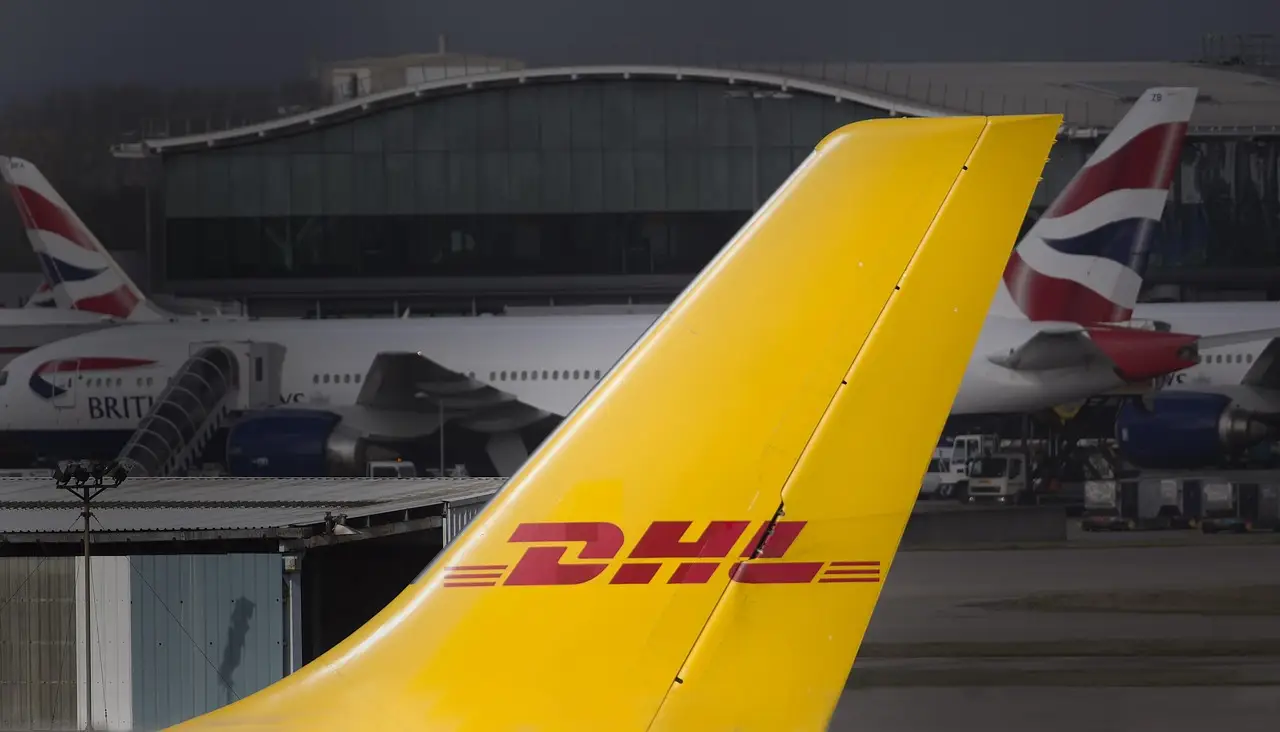
Uzbekistan-based cargo carrier My Freighter launched a Boeing 767-300 freighter route between Shijiazhuang and Belgrade via Tashkent on Nov. 18, operating two weekly flights on the first cargo link between the Chinese city and the Serbian capital. The 767-300 freighter (a converted widebody capable of carrying roughly fifty tonnes per rotation) is loading mainly clothing and automotive parts on the new corridor.
The route runs from Shijiazhuang Zhengding International Airport (SJW), the gateway to Hebei province southwest of Beijing, through My Freighter's Tashkent hub before continuing to Belgrade Nikola Tesla Airport (BEG). The Chinese airport confirmed the service is the first of its kind between the two cities and set the initial frequency at two flights per week.
What does the route change for Hebei exporters?
Until now, shippers in Hebei — a province anchored by machinery manufacturing, textile production and online retail — had no direct air freight path to Central and Eastern Europe. The new link removes that gap. Shijiazhuang airport framed the economic logic in a statement: "The new route will further strengthen regional industrial and supply chains, help Hebei's leading products reach European markets via the 'Air Silk Road', and support the coordinated development of Beijing, Tianjin and Hebei. It will also promote economic and trade cooperation under the Belt and Road Initiative."
The airport's framing positions the service as part of the Belt and Road infrastructure push, the Chinese state program that funds trade corridors across Asia and Europe. Whether two weekly 767 rotations translate into sustained capacity depends on demand from Hebei's manufacturing base; at roughly fifty tonnes per flight, the route offers about 100 tonnes of weekly east-west capacity in each direction at full utilisation.
Belgrade's cargo volumes are already climbing
Belgrade is not starting from zero on China freight. The airport already handles several cargo-only routes into China, and the new My Freighter service adds another channel rather than opening a market. The traffic base is growing fast: from January to October this year, BEG handled 15,053 tonnes of freight, a 40.3% increase year-on-year.
That growth figure matters for the route's economics. A rising freight baseline at Belgrade suggests demand for China-Europe air cargo is strengthening in the region, which lowers the risk for a new entrant. It also signals that My Freighter faces competition from established cargo operators on overlapping China-Balkan flows.
Air freight versus rail: the competitive question
The route enters a market where rail already moves Chinese goods to Europe. China-Europe rail services, the overland freight corridors running through Central Asia and Russia, carry apparel, machinery and automotive components — overlapping cargo profiles with what the 767 will haul. Air freight charges a premium but delivers in days rather than weeks, a trade-off shippers weigh by cargo value and urgency.
For high-value or time-sensitive consignments out of Hebei, the new air link offers a speed advantage rail cannot match. For bulkier, lower-margin goods, rail remains cheaper. The two modes are likely to split the province's export flow by product economics rather than one displacing the other outright.
A modest start with room to scale
Two weekly flights is a cautious entry. The 767-300 freighter is a workhorse of mid-size cargo operations, and the Tashkent stop gives My Freighter flexibility to serve intermediate markets if Belgrade demand lags. SJW, for its part, gains its first dedicated cargo corridor into Central and Eastern Europe, extending the airport's reach beyond passenger-heavy routes.
If Hebei's export volumes and Belgrade's 40% freight growth hold, the carrier has a path to add frequency or capacity on the corridor — and Belgrade consolidates its position as a growing Balkan cargo gateway for Chinese goods.
via travelradar.aero (Source)
More from Sophie Lindqvist
Show full bio
Senior reporter covering people, launches and day-to-day practice in Commercial aviation industry coverage at Flightdeck Report.
724 articles
Same bay
- Uzbekistan Hosts Third Central Asia Air Cargo Summit in Tashkent · October 10, 2026
- Uzbekistan Air Cargo Volume Climbs 182% in Five Years · October 10, 2026
- My Freighter Adds Another Boeing 767 to Expanding Cargo Fleet · October 10, 2026
- Egyptian Cargo Gains Two New Balkan Routes; DP World Extends Angola Operations · October 11, 2026
- Central Asia Cargo Summit Brings 340 Stakeholders to Tashkent · October 10, 2026