Clearance CLR-5727 · IND326
INDFIT
Finance & DealsClearance sheet
Fitch Cuts LAX People Mover Debt to B- as Dec. 8 Default Looms
Fitch cut Skylink people mover debt to B-, citing near-certain Dec. 8 default. LINXS now targets February 2027, three years late and $1bn over budget.
Read-back
- Fitch downgraded the LAX people mover debt to B- from BB on Nov. 2026 report; Dec. 8 completion deadline seen as near-certain technical default.
- LINXS says the 2.25-mile, $3.3-billion train will not open until February 2027 or later — three years late and over $1 billion above budget.
- A 120-day buffering period after Dec. 8 allows settlement or contract separation between LINXS and LAWA.
- Certification requires 30 consecutive days of issue-free testing plus sign-off from the airport and an outside assessor; testing has repeatedly restarted.
- The project is 99% complete but solar agreements with LADWP are unsigned and train technical faults remain under investigation.
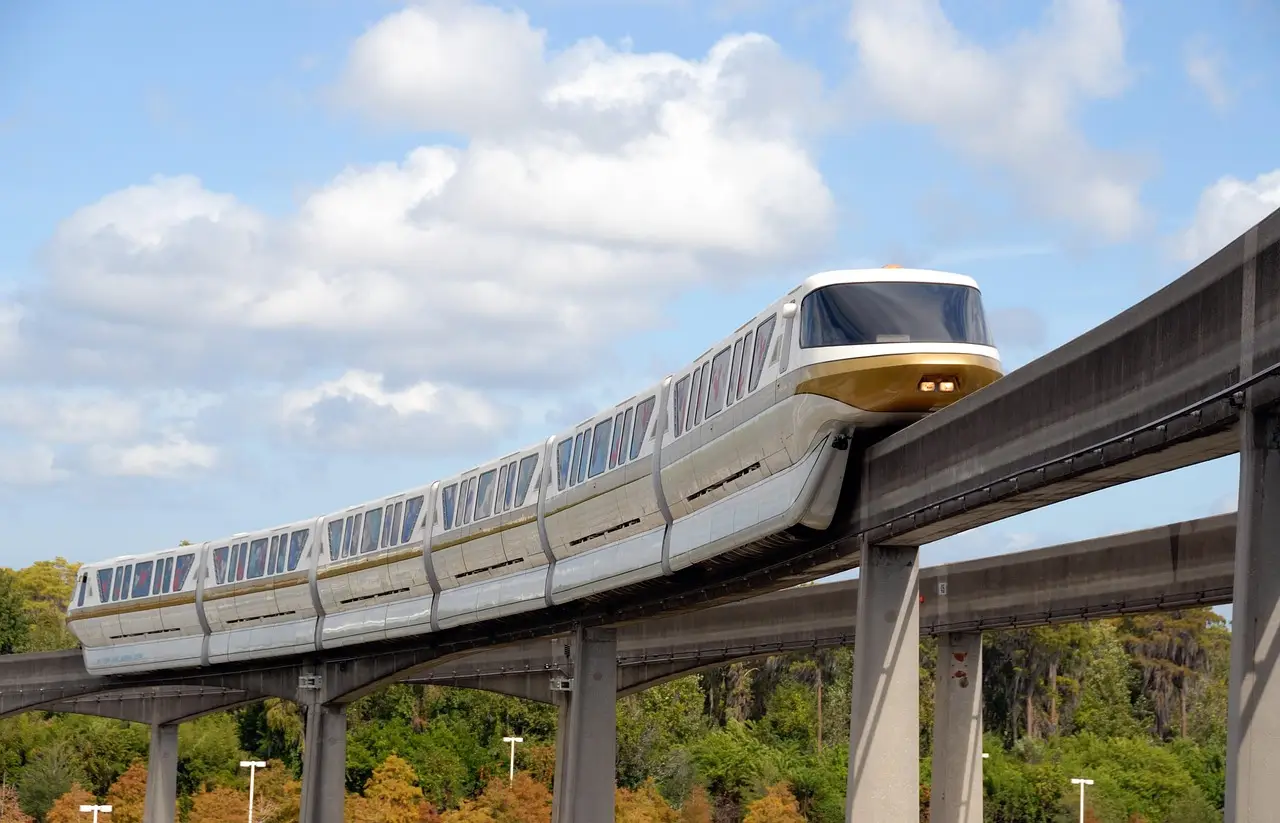
Fitch Ratings has downgraded the debt of Los Angeles International Airport's Skylink people mover to B-, four months after cutting it to BB, citing the "near certainty" that contractor LINXS will miss the project's Dec. 8 completion deadline. The downgrade, disclosed in a report this week, moves the $3.3-billion automated train another notch deeper into junk territory. Fitch warned the miss would constitute a technical event of default and could give either LINXS or Los Angeles World Airgrounds — the city agency known as LAWA — the right to issue termination notices.
How severe is the rating action?
Fitch analyst Seth Lehman did not soften the assessment. "It's an uncommon action of severity," he told the Los Angeles Times. "We were under the view that there was a fair amount of cushion for LAWA and LINXS to settle on disputes, or for LINXS to show that they can have the trains run safely per this reliability test."
That cushion has vanished. The contractor has already said the 2.25-mile train will not carry passengers until February 2027 at the earliest — roughly 26 months past the December deadline. LINXS, formally LAX Integrated Express Solutions, is a consortium of Fluor, Balfour Beatty, Alstom Transport USA, ACS Infrastructure Development, HNTB and Dragaos USA. A spokesperson offered the obligatory prose: "LINXS remains committed to working with LAWA to successfully deliver the Automated People Mover and provide a world-class transportation system for the Los Angeles region." The consortium declined further comment.
LAWA also declined an interview, saying in a statement it does "not intend to comment on matters related to private financing arrangements, lender discussions, contractual milestones, or rating agency decisions involving the LINXS consortium." The agency added: "We are working with LINXS around the clock to ensure they complete the necessary testing to bring SkyLink to passenger service while exercising available remedies within the contract to hold them accountable."
What happens after Dec. 8?
Termination is not automatic. Lehman noted a 120-day buffering period follows the deadline, allowing both sides time to settle disputes. The question, he said, becomes: "Will both sides still want to work with each other, or just decide to find a path toward separation?" The answer is not obvious. Relations between contractor and airport have been poor for some time.
LINXS filed a complaint against the city over the summer, blaming the airport for the delays. Last month, LAWA disputed multiple claims in the contractor's monthly project brief. Meetings between the chief executives of the contractor and airport officials, which began last year, stopped in August.
Why is a 99%-complete train still not running?
Officials describe the project as 99% finished, yet unresolved items remain. Agreements to implement solar energy on the project have not been signed with the city's Department of Water and Power, according to a recent report from the contractor's technical adviser. The cause of technical problems with the train is still under investigation.
Certification is the harder barrier. The train must undergo 30 consecutive days of testing without substantial issues, followed by sign-off from the airport and an outside assessor, before it can carry passengers. That monthlong testing period has repeatedly restarted. Lehman observed that people movers are hardly novel — many major airports operate one — which makes the LAX delays all the more confounding. "Each time there's a path towards opening, there's a setback," he said.
What are the financial stakes?
The train was originally slated to open in 2023, before the World Cup and the Super Bowl and long before the 2028 Olympics. It is now three years behind schedule and more than $1 billion over its original construction budget. The $3.3-billion line is the flagship element of the airport's $30-billion overhaul, and its delay leaves the airport's ground-transportation plan incomplete while Olympic-year demand approaches.
When the train does open, the airport said it will shuttle travelers between terminals, parking lots, the LAX/Metro Transit Center and a new ride-hail lot. Whether the parties reach that point together, or through the 120-day window and a separation, will shape both the project's finances and the airport's congestion problem through 2027 and beyond.
via fitchratings.com (Original)
More from Grace Kim
Show full bio
News editor covering companies, deals and strategy in Commercial aviation industry coverage at Flightdeck Report.
640 articles
Same bay
- FDR310LAX SkyLink Contractor Sues City Over $115M Payment Fight · October 9, 2026
- FDR521LAX Skylink Delayed to February as City Agencies Clash Over Power Deal · November 2, 2026
- FDR865LAX Automated People Mover Slips Past Dec. 8 Deadline, Eyes January Launch · October 10, 2026
- FDR393Controller Shortage and Shutdowns Strain US Airspace Capacity · September 30, 2026
- FDR369FAA holds 737 MAX 10 certification over flight-guidance software flaw · September 28, 2026