Clearance CLR-4573 · MRO922
MROFLE
MRO & AftermarketClearance sheet
Fleet expansion drives sustained aircraft modification demand
Airlines expanding their fleets are driving sustained demand for aircraft modification work, with cabin reconfigurations, avionics upgrades and freighter conversions filling MRO backlogs as carriers refresh existing aircraft alongside new deliveries.
Read-back
- Aircraft modification demand is being driven by airline fleet expansion, with cabin reconfigurations, avionics upgrades and freighter conversions as the largest categories
- The modification market runs through three channels: airframe OEM service centers, independent MROs, and STC-based specialist providers
- Type design changes require approval from the FAA for US-built types or EASA for European-built types, with bilateral validation agreements shortening global approval timelines
- Lessors are increasingly standardizing interior specifications in lease agreements to reduce transition cost between tenants
- Freighter conversion demand is rising as e-commerce growth continues to outpace available conversion capacity
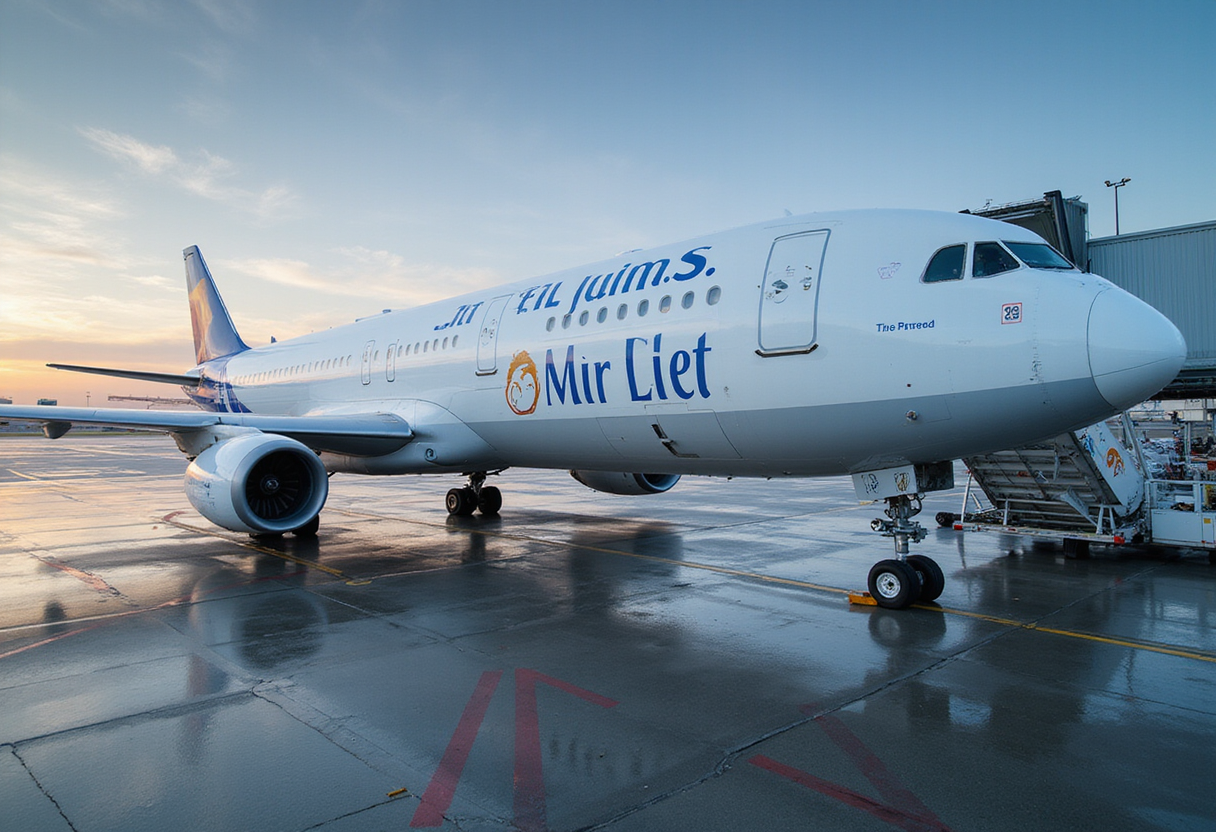
Airlines are adding aircraft at a pace that keeps modification hangars full, with cabin reconfigurations, avionics upgrades and freighter conversions accounting for the largest share of out-of-service work as carriers refresh existing fleets alongside new deliveries.
What is driving the surge?
A combination of long OEM delivery backlogs and airline decisions to keep older aircraft in service has put pressure on existing fleets to absorb capacity. That pressure feeds modification demand. A refreshed interior, modernized avionics or new cabin configuration can change an aircraft's economics without waiting for a new delivery slot.
The dynamic is amplified by airlines' preference for incremental upgrades over wholesale fleet replacement, particularly for narrowbodies that have years of economic life remaining.
Who does the work?
Three channels handle most aircraft modifications. Airframe OEMs run their own service centers, with particular strength on in-production types where warranty and technical-data access give them a structural advantage. Independent MROs handle heavy checks, cabin work and a growing share of connectivity retrofits.
Specialist providers focus on narrow-scope programs under supplemental type certificates — cargo conversions, mandated avionics upgrades, and interior reconfigurations that fall outside OEM service bulletins.
The boundary between the three is not fixed. OEMs have acquired independent MROs in past cycles; independent MROs have built STC capabilities that compete directly with OEM-issued service bulletins. Airlines can often choose between competing modification pathways for the same scope of work.
What does regulation require?
Any modification that changes an aircraft's type design needs approval from the State of Design regulator, typically the FAA for US-built types and EASA for European-built types. The dominant pathway is the Supplemental Type Certificate, which lets a third party develop and approve a change for installation across a fleet.
Bilateral airworthiness agreements between the FAA and EASA usually allow a certificate issued by one authority to be validated by the other, shortening approval timelines for global fleets.
Timeline and cost depend on the modification's scope, the flight-test program the regulator requires, and current review workloads at the certifying authority. A self-contained avionics mandate can clear in months. A full cabin reconfiguration with new seats, galleys, lavatories and IFE takes considerably longer.
What does it cost the operator?
Modification work grounds the aircraft. A cabin reconfiguration can take a narrowbody out of service for several weeks; a passenger-to-freighter conversion can take several months. Operators typically align modifications with planned heavy maintenance checks, so the airframe is already off the wing.
The trade-off: immediate dispatch reliability versus longer-term revenue. Refreshed premium cabins and updated connectivity hardware support higher unit revenue, particularly on long-haul and business-class routes.
For narrowbodies on short-haul networks, the calculation often tilts toward minimal modification — enough to keep the aircraft dispatch-reliable and compliant with current mandates, with heavier interior investments deferred to lease return or fleet exit.
What does it mean for lessors?
Lessors have moved toward standardized interior specifications in lease agreements, partly to reduce the capital cost of returning aircraft to the next operator. Aircraft returned with outdated cabins, missing connectivity, or non-compliant avionics increasingly require lessor-funded modifications before remarketing.
The result is a push toward common seat, galley and IFE specifications across lessor portfolios, with modification timing aligned to lease milestones so that investment amortizes over the remaining term.
Lessor-driven standardization has its limits. Operators in different markets favor different cabin densities and product offerings, and a one-size-fits-all specification can leave an asset mismatched to its next tenant. The most active lessors now maintain two or three standardized interior configurations rather than a single fleet-wide spec.
What is the forward outlook?
With OEM backlogs extending multiple years and airline order books lengthening, the modification pipeline looks set to remain full. Constraints are increasingly on the supply side: hangar capacity, technical staff, and STC approval timelines. The balance going forward depends on how quickly the industry adds capacity.
Freighter conversions, in particular, look set to absorb an increasing share of available modification capacity as e-commerce-driven demand for dedicated cargo aircraft continues to outpace conversion throughput. That pressure is reshaping order books at specialist conversion providers and is likely to remain a structural feature of the modification market through the rest of the decade.
via Google News: Aircraft orders and fleets (Source)
More from James Calloway
Show full bio
Staff writer covering industry trends and analytics at Flightdeck Report.
320 articles
Same bay
- FDR377Air Cargo News: GSSAs head toward deeper airline integration · October 2, 2026
- FDR283Industry order backlog tops 17,000 aircraft for first time · September 30, 2026
- FDR483MEA to Cross 100-Aircraft Mark with 11 Boeing 737 MAX Deliveries in 2026 · September 30, 2026
- FDR260Carrier Crosses the 100-Aircraft Fleet Threshold · September 30, 2026
- FDR191US Insists New Air Traffic Control System Will Avoid Disruptions · September 30, 2026