Airspace & RegulationClearance sheet
Four US firms sign LOI for 250-mile supersonic test corridor
Four US organizations including two FAA-licensed spaceports signed a November 18, 2026 LOI to develop a 250-mile supersonic and hypersonic test corridor between West Texas and southern New Mexico.
Read-back
- A 250-mile corridor would link Midland International Air & Space Port in West Texas with Spaceport America in southern New Mexico.
- Four parties signed the letter of intent on November 18, 2026, including two FAA-licensed spaceports.
- Starfighters Space plans to fly its Mach 2+ F-104 jets on the corridor first and supply flight data to the FAA.
- The FAA is weighing removal of the overland Mach 1 ban via a measurable ground-level overpressure standard, plus priority launch airspace designation.
- Long-term goals include Kármán line operations, air launch, point-to-point spaceflight, and reentry and recovery of space vehicles.
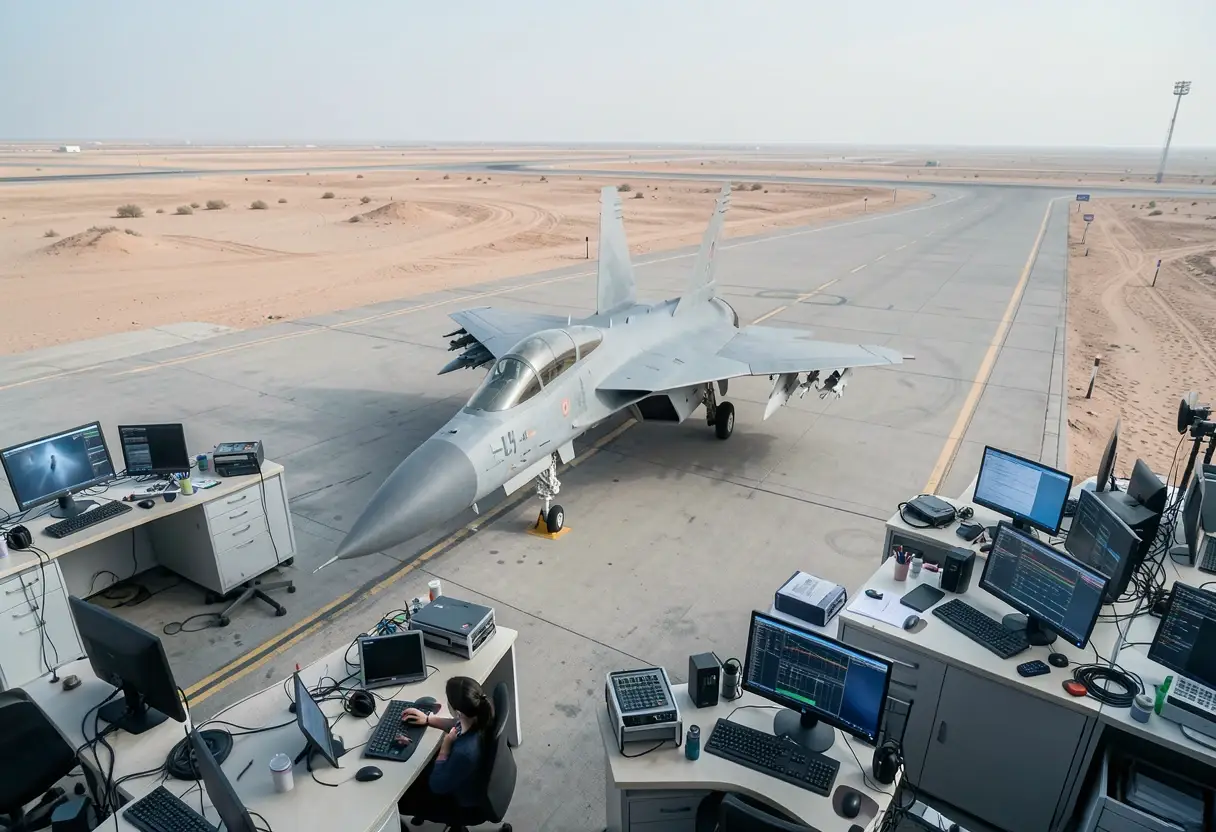
Four US aerospace organizations signed a letter of intent on November 18, 2026, to develop a 250-mile high-speed flight test corridor linking Midland International Air & Space Port in West Texas with Spaceport America in southern New Mexico.
The signatories — Midland Development Corporation, Midland International Air & Space Port, the New Mexico Spaceport Authority, and Starfighters Space — committed to "jointly define, advocate for, and develop a dedicated high-speed flight test corridor" for supersonic and hypersonic flight research. Two of the four members hold FAA spaceport licenses, a detail that matters: the corridor would tie together already-certified launch infrastructure rather than depend on facilities still awaiting approval.
What would the corridor actually do?
The group pitches the lane as infrastructure for repeatable, high-cadence supersonic and hypersonic flight research. Specific missions on the list include sonic boom overpressure measurement and the development of air traffic integration procedures — the procedural groundwork regulators would need before supersonic aircraft routinely share airspace with conventional traffic.
The corridor would also generate real-world flight data to inform two federal rulemakings now before the FAA:
- A rulemaking to remove the longstanding prohibition on overland flight above Mach 1, replacing the blanket ban with a measurable ground-level overpressure standard.
- A separate request for public input on designating priority airspace for launch and reentry operations and on expanding US spaceport capacity.
The group argues a single, well-placed corridor serving multiple licensed spaceports can serve both FAA purposes at once, while supporting national security requirements for hypersonic technology development and the national interest in inland launch capacity.
Who flies first?
Starfighters Space, which operates Mach 2+ capable F-104 jets from Midland, intends to fly the corridor first and hand the resulting flight data to the FAA. That makes the company the test program's de facto first operator, not just a signatory.
Starfighters is also developing an air-launch system that could eventually use the corridor for suborbital and orbital launch operations. The group's longer-term ambitions for the lane stretch well beyond test flying: operations to and above the Kármán line, air launch, point-to-point spaceflight, and the reentry and recovery of spaceflight vehicles and payloads.
"Federal policy is moving faster than the infrastructure, and the country needs a place to fly these vehicles and prove out the procedures that go with them," Starfighters Space CEO Tim Franta said. "A corridor anchored by two licensed spaceports, over some of the least populated airspace in the country, is the most practical answer we have seen."
Justine Ruff, Director of the Midland International Air & Space Port, framed the deal as a step toward merging conventional aviation with emerging space operations. "By connecting two licensed spaceports through a dedicated high-speed flight corridor, we have an opportunity to help shape the future of aerospace while demonstrating how traditional aviation and emerging space technologies can safely and successfully coexist," she said.
A corridor timed to a regulatory opening
The LOI lands as the FAA weighs easing overland supersonic flight restrictions and expanding US space launch capacity — the twin federal actions the signatories cite as their opening. Their wager is straightforward: if the Mach 1 overland ban falls and priority launch airspace becomes a reality, someone will need a place to fly, measure and prove the procedures before operators scale.
For now, the corridor exists on paper. What is signed is a letter of intent to advocate and define, not a designated airspace; the FAA's decisions on overland supersonic flight and priority launch airspace will determine whether the 250-mile lane between Midland and Spaceport America becomes a working testbed or a regional ambition.
via twitter.com (Original)
More from Nathan Brooks
Show full bio
Correspondent covering technology and product news in Commercial aviation industry coverage at Flightdeck Report.
700 articles
Same bay
- Duffy Unveils Legislation to Complete ATC Modernization · September 28, 2026
- Fifteen States Sue FAA Over Drone Delivery Environmental Review · September 30, 2026
- California High-Speed Rail Eyes 2033 Start, and Airlines Should Be Watching · November 12, 2026
- Technical Failure at Regional ATC Center Triggers DFW, Love Field Delays · September 30, 2026
- FAA Begins $875 Million SMART AI Deployment in Washington Airspace · September 30, 2026