Clearance CLR-4587 · AIR252
AIRCAL
Airlines & NetworksClearance sheet
California High-Speed Rail Eyes 2033 Start, and Airlines Should Be Watching
California's first true high-speed rail line targets 2033 revenue service between LA and San Francisco. No track is laid yet, but CAPA says airlines must plan now.
Read-back
- California's HSR targets revenue-earning services in 2033.
- The project was first proposed in 1955; no track has been laid on the central section.
- It would be the first genuine high-speed rail service in the US, on tracks not shared with freight.
- The line would connect Los Angeles and San Francisco and other major western cities.
- The venture remains publicly funded, with possible private-sector involvement in later phases.
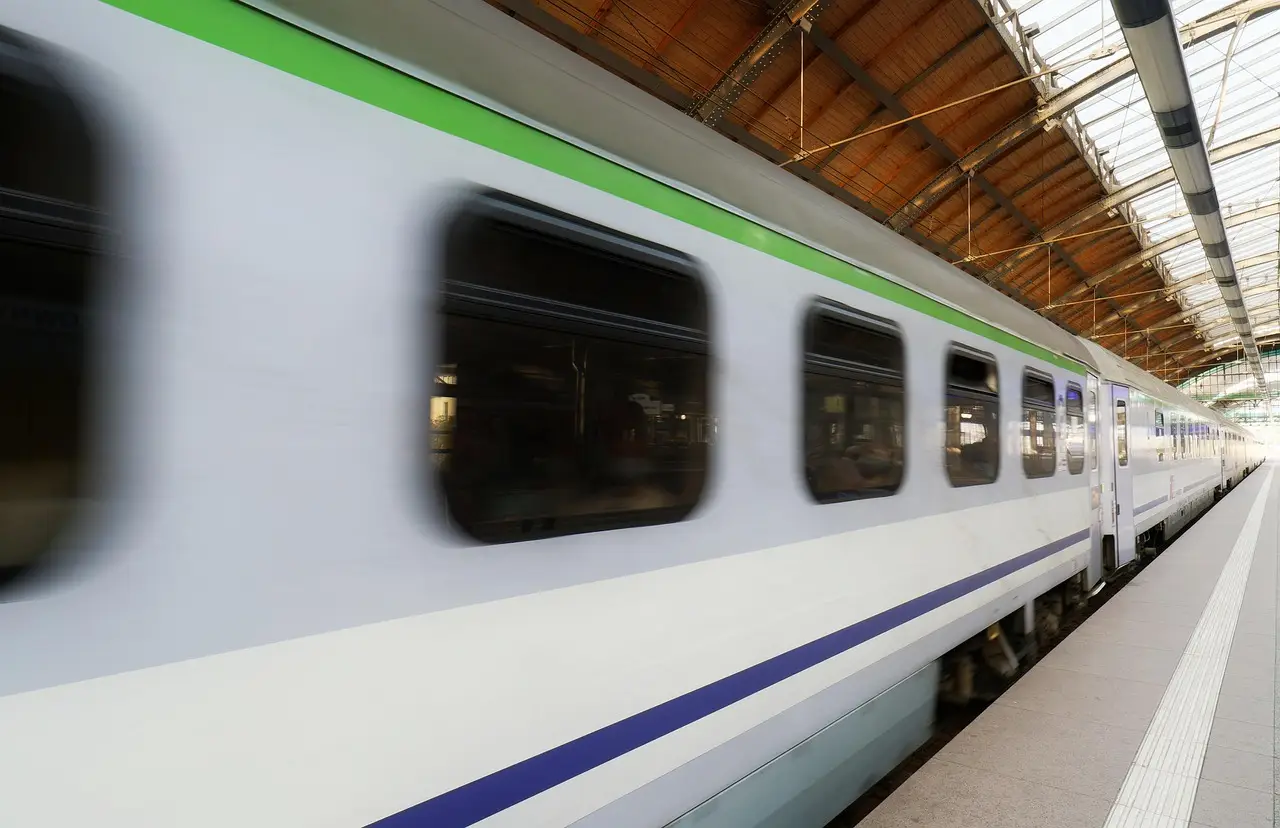
California's high-speed rail program — the first genuine high-speed passenger rail service in the United States — is targeting revenue-earning services sometime in 2033, roughly 78 years after the idea was first mooted in 1955.
That date remains more than five years out, and the central section now under development has yet to see a single yard of track laid. But a new analysis from CAPA argues the project has crossed a threshold: it is transitioning from a 'vision' to a program with an anticipated opening date, and that shift demands a response from airlines and airports now rather than later.
What is actually being built?
The system is designed to cover much of the west of the state, connecting major cities including Los Angeles and San Francisco. Two features distinguish it from anything else on US soil:
- It is the first true high-speed passenger rail service in the country.
- It will run on designated tracks that are not shared with freight — a structural difference from conventional US rail, where passenger services typically yield to freight traffic.
Those two design choices matter for aviation because they point to a level of speed and reliability that intra-state air carriers would have to compete against on city-pair routes where rail travel time becomes competitive.
Why the skepticism hasn't gone away
The project's critics have not quieted. Some still label it a 'boondoggle' — a waste of time and money — and CAPA's assessment acknowledges the substance behind that criticism:
- Progress has been very slow since the concept first surfaced in 1955.
- Funding has been hard to find.
- The central section, the first to be constructed, faces what CAPA calls innumerable problems — and no actual track has been laid there.
- The bill keeps growing every day.
- Local political favoritism on some sections of the traffic pattern has caused consternation.
The venture also remains publicly funded, although CAPA notes the private sector could have a role in later phases — an opening that could change the project's financing profile, and its credibility, as construction advances.
What does 2033 mean for airlines and airports?
CAPA's core argument is timing. With revenue service now penciled in for 2033 rather than left open-ended, the competitive consequences for short-haul aviation in California stop being theoretical. Airlines flying intrastate routes and the airports that depend on that traffic need to be considering their response now, the report suggests, rather than waiting for the first train to run.
Five years is roughly one aircraft-order cycle. Fleet plans, slot strategies and network decisions made in the next couple of years will still be live when — if — the first services begin carrying paying passengers between Los Angeles and San Francisco.
The qualifier is doing a lot of work in that sentence. A program that has consumed decades, laid no track on its first construction section and watched its budget climb continuously could slip again, and the 'boondoggle' camp has history on its side. But CAPA's position is that the direction of travel has changed: the question for California aviation is no longer whether to plan for high-speed rail, but how.
Whether 2033 holds will depend on funding, construction progress on the troubled central section and, potentially, on private capital stepping into later phases the public purse has so far carried alone.
via CAPA News (Source)
More from Nathan Brooks
Show full bio
Correspondent covering technology and product news in Commercial aviation industry coverage at Flightdeck Report.
621 articles
Same bay
- FDR775Aging ATC Infrastructure Blamed for Stranding, Delaying California Travelers · September 26, 2026
- FDR639LAX's $3.3 Billion People Mover Slips Again, Eight Years In · October 30, 2026
- FDR833US Airport Expansion Projects Target America's Capacity Bottleneck · October 10, 2026
- FDR577Alaska Airlines Adds New Routes Linking California and Pacific Northwest · October 17, 2026
- FDR269Delta Adds Three Routes And Seven Frequency Boosts In LAX Network Reset · October 10, 2026