Clearance CLR-6626 · IND115
INDFTA
Finance & DealsClearance sheet
FTAI Aviation buys 27 Boeing 737-700s as WestJet exits type
FTAI Aviation has bought 27 Boeing 737-700s from WestJet, with 10 aircraft set for CFM56 engine removal and 17 staying on lease, as the carrier retires the type.
Read-back
- FTAI Aviation acquired 27 Boeing 737-700s from WestJet, one of its largest aircraft transactions to date.
- Ten off-lease aircraft will have their CFM56-7B engines removed for FTAI's aerospace products division; 17 remain on lease to WestJet in a sale-and-leaseback.
- WestJet is accelerating 737-700 retirement over high fuel costs, expects 17 Max 8s and one Max 10 in 2026, and holds firm orders for 108 Max 8s and Max 10s.
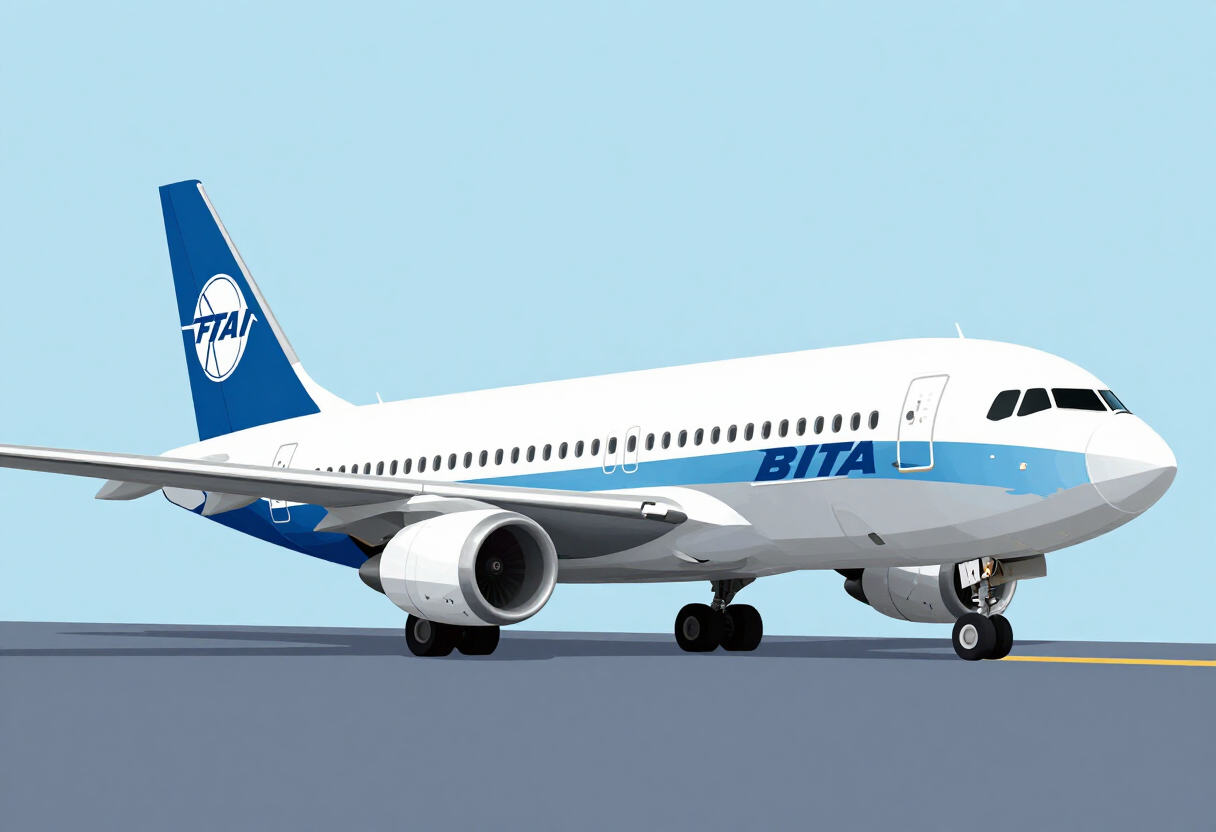
FTAI Aviation has acquired 27 Boeing 737-700s from WestJet, an aftermarket specialist and lessor describing the purchase as one of its "largest aircraft transactions to date."
The New York-listed company bought the jets through its second investment vehicle, which specialises in acquiring older, on-lease Boeing 737 and Airbus A320 narrowbodies. The structure of the deal reveals the two distinct value streams FTAI sees in mid-life single-aisle assets.
Ten of the 27 aircraft are off-lease. FTAI will strip their CFM International CFM56-7B engines to feed its aerospace products division, which supplies engines and modules to maintenance, repair and exchange customers. For a lessor built around engine value rather than airframe longevity, an orphaned 737-700 airframe is effectively a delivery mechanism for two CFM56 powerplants with remaining shop-visit and lease potential.
The other 17 aircraft remain on lease to WestJet under a sale-and-leaseback arrangement. That structure converts owned aircraft into cash for the Canadian carrier while keeping it flying the type through its transition period, and gives FTAI lease income on assets it can later part out as the leases run off.
WestJet accelerates the exit
The transaction confirms a fleet decision WestJet signalled earlier this year. As FlightGlobal reported in June, the Calgary-based carrier is accelerating retirement of its 737-700s in response to high fuel costs, and is replacing the older jets with 737 Max family aircraft.
"This 27-aircraft transaction is a strategic milestone that officially marks the start of our retirement of our 737-700 fleet," says WestJet Group chief financial officer Mike Scott. "We're pleased to partner with FTAI Aviation to make this happen, and we look forward to building on this relationship for future opportunities."
Scott's reference to "future opportunities" points to possible follow-on transactions as the remaining -700s leave the fleet. FTAI's second investment vehicle exists precisely to absorb such aircraft in bulk, and the WestJet deal establishes a channel through which subsequent tranches could flow.
Fleet transition arithmetic
WestJet's replacement math is already defined. The carrier expects to take delivery of 17 737 Max 8s plus a single Max 10 during 2026, against firm orders totalling 108 Max 8s and Max 10s. That orderbook gives the airline a multi-year path to replacing not just the -700s but the older end of its broader 737NG fleet, provided Boeing holds to delivery schedules.
The 737-700, the smallest member of the NG family, carries a fuel-burn and seat-cost penalty against the Max 8 at current fuel prices. Retiring it early trades residual value — now crystallised through the FTAI sale — for lower trip costs and a common, newer fleet.
What the deal says about the teardown market
For FTAI, the transaction underscores the depth of demand for CFM56 feedstock. The engine powers both the 737NG and the A320ceo family, and thousands of installed units will need shop visits, exchanges and replacement modules for years as airlines stretch the lives of current-generation narrowbodies while new-build delivery slots remain constrained. Buying 10 off-lease aircraft outright — rather than waiting for engines to reach the open market — secures inventory for the aerospace products division at a predictable price.
The split structure — 10 for teardown, 17 for lease — also hedges FTAI's exposure. Lease revenue from the WestJet aircraft funds the holding period, and the off-lease airframes feed the engine operation immediately.
With 17 Max 8s and one Max 10 due in 2026 and a 108-aircraft orderbook behind them, WestJet's remaining 737-700s will keep transitioning out in stages — and further sale or part-out deals with lessors such as FTAI remain the likely mechanism.
via FlightGlobal (Source)
More from Grace Kim
Show full bio
News editor covering consumer brands and retail at Flightdeck Report.
138 articles
Same bay
- FDR856FTAI Aviation acquires 27 WestJet Boeing 737-700s · September 28, 2026
- FDR528Qatar's Lesha Bank buys 33 jets from Avolon in $1.6 billion deal · September 28, 2026
- FDR602Boeing Books 100-Aircraft Order from SMBC · September 30, 2026
- FDR483MEA to Cross 100-Aircraft Mark with 11 Boeing 737 MAX Deliveries in 2026 · September 30, 2026
- FDR823US-Bangla to Place $4-5 Billion Leased Aircraft Order Within 60 Days · September 30, 2026