Clearance CLR-2379 · MRO468
MROGEV
MRO & AftermarketClearance sheet
GE90 Values Top $35 Million as Engine Costs Reshape Freighter Economics
GE90-115BL full-life values exceed $35 million per IBA, with lease rates at $250,000-$300,000 monthly, doubling engine costs for ageing freighter fleets.
Read-back
- Full-life GE90-115BL values exceed $35 million, IBA reports
- Serviceable GE90-115BL units with 3,000 cycles remaining forecast above $25 million
- Monthly GE90-115BL lease extension rates run $250,000-$300,000
- USM accounts for roughly 80% of engine overhaul expenditure, ISTAT estimates
- Global MRO spending topped $136 billion in 2025, up 8%, with $193 billion projected by 2030 per Oliver Wyman
By James Calloway
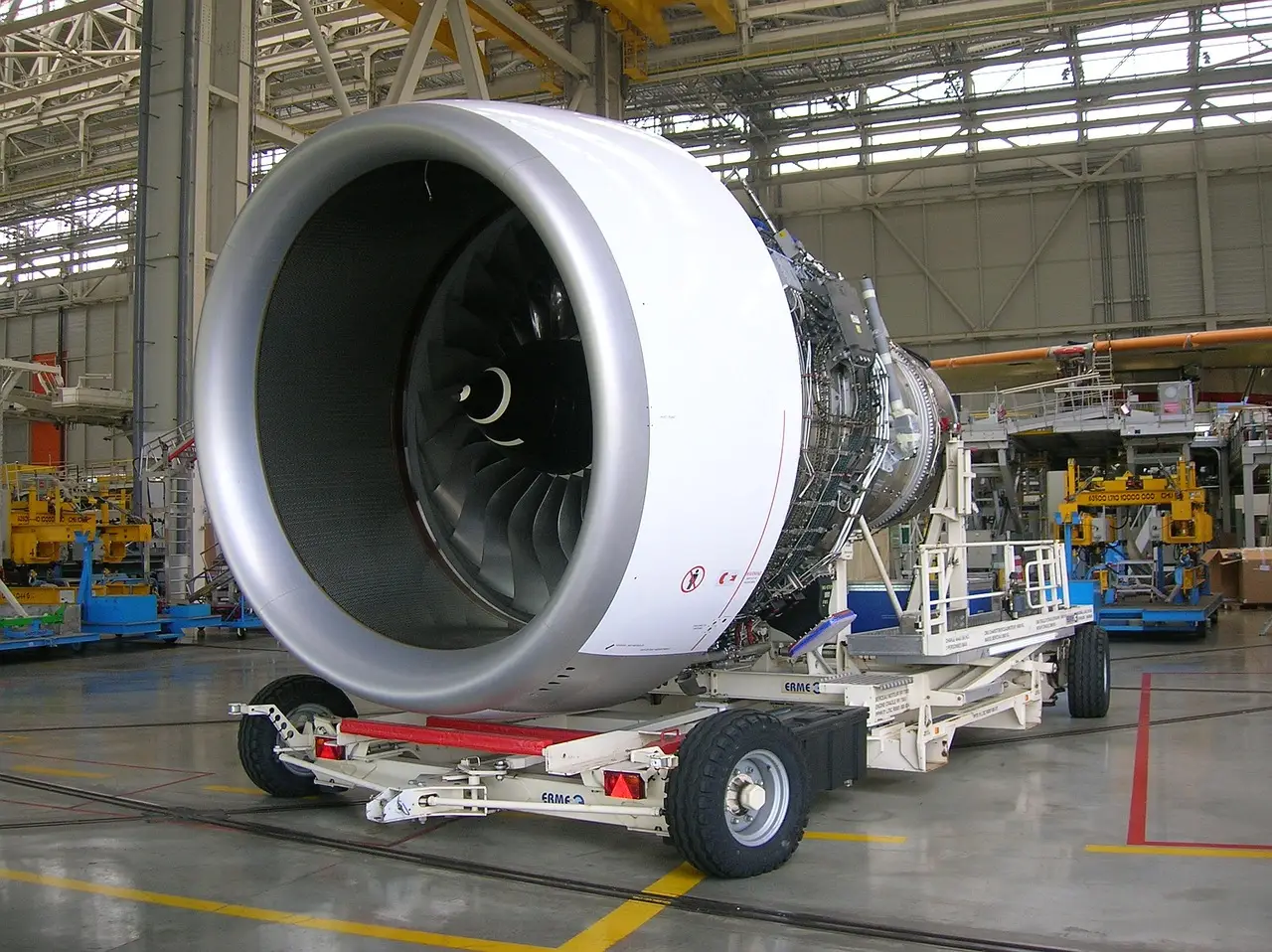
Full-life values for the GE90-115BL now exceed $35 million, according to IBA, the International Bureau of Aviation. That single figure resets the economics of every ageing widebody freighter powered by the type. Engine values have roughly doubled over recent years, and the operators least able to buy replacements carry the heaviest share of the increase.
What do the numbers actually show?
The GE90-115BL powers the Boeing 777-200LR and 777-300ER. Both types anchor freighter fleets worldwide. IBA forecasts serviceable units with 3,000 cycles remaining will trade above $25 million. Monthly lease extension rates on the same variant sit between $250,000 and $300,000.
ISTAT, the International Society of Transport Aircraft Trading, reports widebody lease rates and market values have risen more than 5% this year. Demand for capable long-haul aircraft runs ahead of supply. Lessors price accordingly.
Note what the figures describe. They are forecasts and market observations, not transactions verified against a public register. But the direction is consistent across three independent sources, which lends the trend weight even if any single number carries uncertainty.
Why do used parts dominate the bill?
ISTAT puts used serviceable material at roughly 80% of engine overhaul expenditure. The driver is new-part pricing. Operators shift to the used market to contain costs, which pushes USM values higher in turn. The loop tightens whichever maintenance path an operator chooses.
Oliver Wyman adds the aggregate picture. Global aviation MRO spending topped $136 billion in 2025, an 8% rise on 2024. The consultancy projects that figure will approach $193 billion before the decade ends — nearly double the 2019 level. The totals cover all aircraft categories. The engine segment bears the sharpest strain.
How long does an engine spend in the shop?
Oliver Wyman reports narrowbody engine turnaround times of 180 to 200 days or more for many operators. Freighter fleets run widebodies, where the pressure differs in character but not in severity. A 777 freighter waiting on an engine earns nothing.
Shop-visit length compounds the parts bill directly. Longer visits consume more material. With USM already at 80% of overhaul cost, every extension of a visit inflates the invoice.
Who absorbs the cost?
Freighter operators with owned, ageing widebodies face three options: absorb the cost, pass it through cargo rates, or retire aircraft earlier than planned. Cargo rates feed into the price of everything moved by air, and that cost reaches consumers eventually.
Lessors hold the stronger hand. With widebody values up more than 5% this year and lease rates rising in step, the asset side of their business performs well. The burden falls on operators who keep older, paid-off equipment flying precisely because newer replacements sit beyond their reach.
What does this change for freighter operators? It converts engine ownership from a maintenance line item into a strategic balance-sheet question, with retirement decisions pulled forward.
What remains unverified
IBA's figures are forecasts for H2 2026, not settled market prices. The source does not disclose which transactions underpin the $35 million full-life value or the lease-rate band. Oliver Wyman's $193 billion projection carries model assumptions the source does not detail. Treat the trajectory as solid and each precise number as provisional.
The pressure is building now, not in some future quarter. Costs are higher, turnaruns are longer, and the MRO trajectory shows no sign of flattening before 2030. The open question is how far down the chain — operator, shipper, consumer — the pressure travels before it breaks.
via theaviationhub.co.uk (Source)
More from James Calloway
Show full bio
Staff writer covering people, launches and day-to-day practice in Commercial aviation industry coverage at Flightdeck Report.
650 articles
Same bay
- FDR288Cirium Forecasts Nearly 750 New Freighters Over 20 Years · October 13, 2026
- FDR541$50,000 Safety Fix Splits Aviation Industry and Washington · October 10, 2026
- FDR148Record 100 Airlines at Miami Forum as Freighter Squeeze Bites · October 30, 2026
- FDR378Alaska Airlines to Retire 737-700 Fleet by Next Year · October 11, 2026
- FDR628Airbus Sees Global Freighter Fleet Growing 46% to 3,460 by 2045 · October 22, 2026