Clearance CLR-7341 · AIR842
AIRHEA
AirportsClearance sheet
Heathrow Scraps 100ml Liquid Rule After £1bn Scanner Rollout
Heathrow lifted the 100ml limit in January after a £1bn scanner rollout. Gatwick and others followed; Manchester, Stansted and Luton still enforce the old rule.
Read-back
- Heathrow scrapped the 100ml limit in January 2026 after a £1bn CT scanner rollout.
- Gatwick, Edinburgh, Birmingham, Bristol, both Belfast airports and Bournemouth also allow 2 litres.
- Manchester, Stansted, Luton, Glasgow, Liverpool, London City, Newcastle, Aberdeen and Teesside still enforce 100ml.
- Ministers reinstated the 100ml limit nationwide in June 2024 after airports missed the installation deadline.
- The EU restored its 100ml cap in 2024; most EU airports still enforce it.
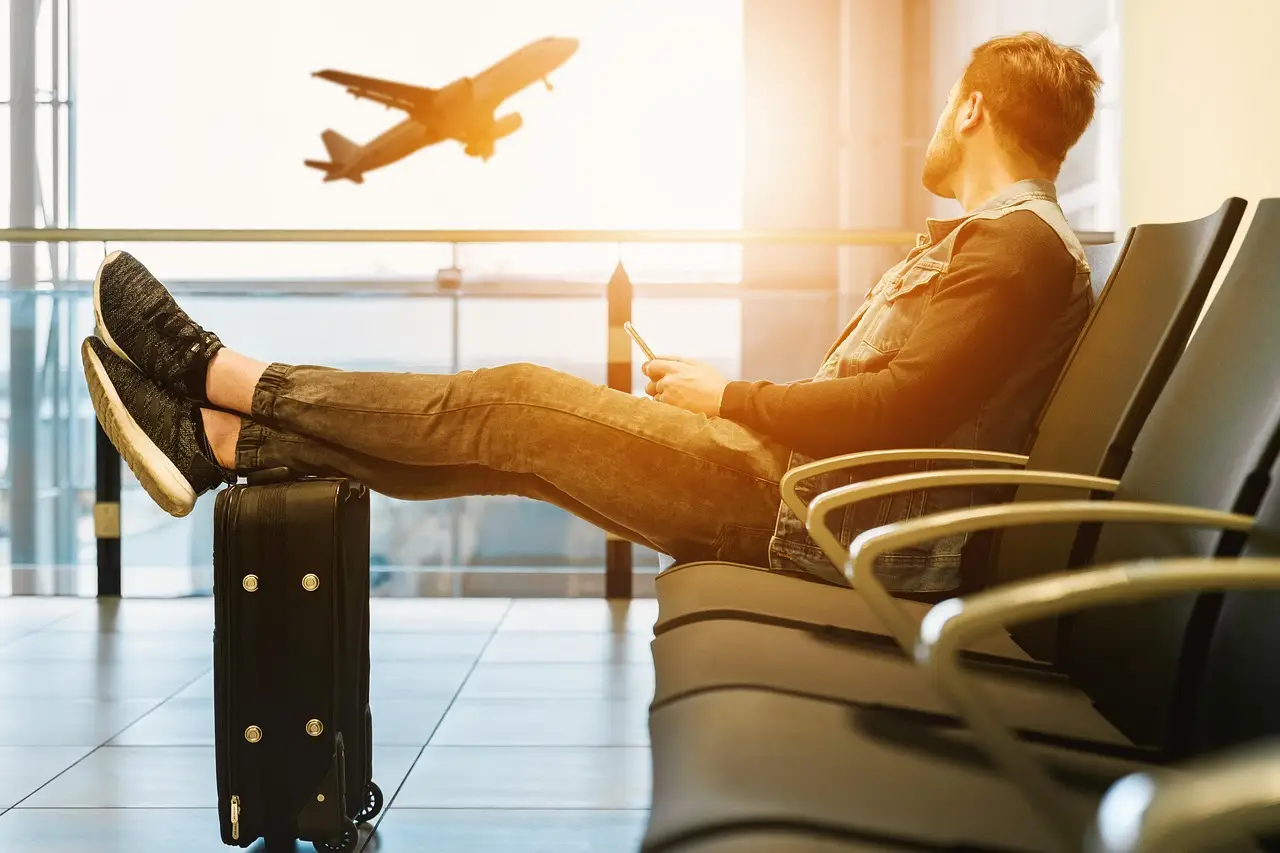
Heathrow lifted the 100ml hand-luggage liquid limit in January 2026, after completing a £1 billion rollout of computed tomography security scanners across its terminals, Forbes reported. Passengers departing Britain's largest airport may now carry containers of up to 2 litres and leave both liquids and laptops inside their bags.
The relief is not universal. Britain's security regime has become a patchwork in which the applicable limit depends on the departure airport, and can differ between the outbound and return legs of a single trip.
Which airports now allow 2 litres?
Gatwick, Edinburgh, Birmingham and Bristol have joined Heathrow in permitting containers up to 2 litres, according to Travel Market News. Belfast International, Belfast City and Bournemouth have done the same.
Heathrow's chief executive, Thomas Woldbye, said the upgrade means passengers spend "less time preparing for security and more time enjoying their journey." That is a claim about throughput as much as comfort, and it rests on lanes that have passed Department for Transport checks.
Where does the 100ml rule still apply?
A longer list of airports still enforces the old limit. Manchester, Stansted, Luton, Glasgow, Liverpool, London City, Newcastle, Aberdeen and Teesside were listed as 100ml airports this summer, Travel Market News reported.
The distinction is not simply a matter of hardware. At Luton, Newcastle and Teesside, new scanners are installed and liquids may remain in the bag, yet the 100ml cap still applies, according to Skyscanner. Manchester has its scanners in place but awaits regulatory approval.
Installation, in short, is not certification. The limit lifts only when the Department for Transport signs off each airport's lanes.
Why has the change taken so long?
The government originally set a June 2024 deadline for major airports to install the new scanners. Many missed it. That month, ministers reinstated the 100ml limit at every UK airport, including those that had already scrapped it, after concerns about the new equipment.
The reversal was costly in credibility terms. Airports that had invested in scanners and relaxed the rule were ordered back to the plastic bag.
Since then, the Department for Transport has approved airports one by one as their scanner lanes pass checks. There is no national end date. The list of 2-litre airports is expected to keep growing through 2026 and 2027.
What is the trap on the return flight?
The departure airport decides. A 2-litre bottle permitted at Heathrow can be confiscated on the return leg from an airport still enforcing 100ml, Tripbuffer warns.
Europe is stricter still. The EU restored the 100ml cap at its own airports in 2024, and most EU departures continue to enforce it, Travel Market News reported. Frankfurt and Munich allow larger liquids only in selected lanes. A traveller who packs a large bottle of sun cream at Gatwick may have to surrender it in Spain or Greece.
Connections carry the same risk. Transfer passengers are re-screened under the connecting airport's limits.
What still applies everywhere?
Some rules survive the scanner upgrade unchanged:
- Metal water bottles must still be emptied before security.
- Medicines and baby food remain exempt, although passengers may be asked to show them.
- Duty-free liquids should stay in their sealed bag with the receipt inside, especially when connecting.
The government's advice remains deliberately cautious. The Department for Transport tells passengers to carry liquids "no larger than 100ml in hand baggage unless advised otherwise" and to check with their airport before travelling.
How should passengers pack in 2026?
Check the rules at both ends of the journey before packing. If either airport still enforces 100ml, pack to that limit or place larger liquids in checked baggage.
For a short break with hand luggage only, the old method remains the only universal one. A clear bag of small bottles works at every airport; a 2-litre bottle works only at some.
The bottom line
The 100ml rule is finally fading at Britain's largest airports, and security queues at Heathrow and Gatwick are better for it. The change has nonetheless been piecemeal, and most passengers will pass through at least one airport that still enforces the old limit.
Until every UK and European airport gains approval, the rational choice is to pack for the strictest airport on the itinerary. For many travellers, that still means the familiar clear plastic bag.
via theaviationhub.co.uk (Source)
More from Grace Kim
Show full bio
News editor covering companies, deals and strategy in Commercial aviation industry coverage at Flightdeck Report.
654 articles
Same bay
- FDR325ACS Expands Northern UK Cargo Operations as Regional Volumes Climb · October 10, 2026
- FDR534Heathrow's £49 Billion Third Runway: Passengers Pay the Bill · November 17, 2026
- FDR931Heathrow Third Runway Plans Slip As Expansion Timeline Slides · September 27, 2026
- FDR323UK Government Moves Forward With Heathrow Airport Expansion Plan · October 10, 2026
- FDR406Heathrow says more than 40 airlines queue for slots it cannot offer · October 12, 2026