Clearance CLR-9197 · AIR478
AIRIND
Airlines & NetworksClearance sheet
IndiGo ends 787 lease as A350 service debut moves to 2028
IndiGo has ended its six-aircraft 787 lease, suspended Heathrow widebody service and moved its A350 debut to Q2 2028, while protecting its dominant Indian domestic network.
Read-back
- IndiGo ended its six-aircraft Boeing 787-9 operation on 25 October and expects its first A350-900 in Q2 2028.
- The A350 commitment comprises 60 firm-order aircraft and purchase rights for 40 more.
- IndiGo has four A321XLRs, expects five by year-end and plans 14 by the end of 2027.
- More than 440 aircraft and about 2,200 daily flights support a domestic market share exceeding 65%.
- The 2030 plan targets about 3,000 daily departures, 200 million passengers and 40% international capacity.
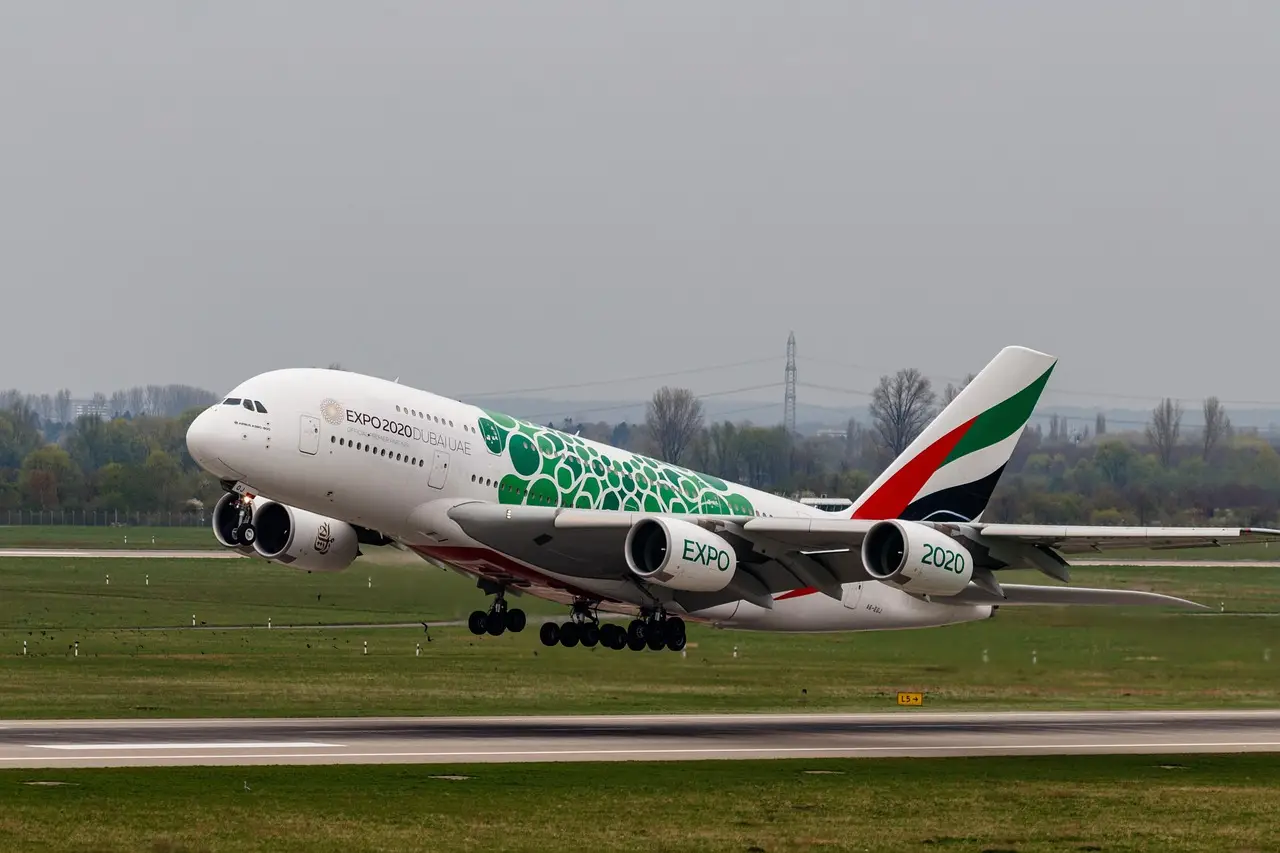
IndiGo ended its six-aircraft Boeing 787-9 operation on 25 October and now expects its first Airbus A350-900 in the second quarter of 2028, 12 months later than planned. India’s largest airline has no widebodies in service, with a firm order of 60 A350s and purchase rights for 40 more awaiting delivery.
The first 10 A350s will carry 16 lie-flat business seats each, alongside premium-economy and economy cabins. Willie Walsh, IndiGo’s chief executive for three months and the former British Airways boss, used a Delhi briefing last week to set out his first major call: slow down.
The Manchester service has ended, Heathrow remains suspended until the A350s arrive, and the Mumbai-Amsterdam route continues on a single-aisle Airbus A321XLR. The route mix matters: IndiGo had appeared ready to challenge Air India, British Airways and Virgin Atlantic between India and the UK.
By withdrawing the six-aircraft 787 programme, IndiGo sacrifices reach but may repair the arithmetic. The lease operation was meant to build long-haul experience and a European brand presence before Airbus widebodies arrived, rather than serve only a fixed set of routes.
Why did the 787 experiment fail?
- Currency: IndiGo paid Norse Atlantic Airways in dollars and euros while earning mostly in rupees, and a weaker rupee worsened the mismatch.
- Fuel: IndiGo carried the full fuel-cost exposure just as jet-fuel prices doubled this year.
- Airspace: Pakistan’s ban on Indian airlines using its airspace forced longer European routings, adding flying time and fuel consumption to each sector.
Under the damp lease agreed in early 2025, Norse supplied six Boeing 787-9s with pilots and maintenance; IndiGo supplied cabin crew, sold the seats and paid the fuel. Manchester closed first, one aircraft returned to Norse early because costs ran higher than expected, and Copenhagen also ended.
In July, IndiGo announced that the entire programme would stop in October, citing a “significant escalation in costs.” Abhijit Dasgupta, senior vice president for planning and revenue management, said the project “was never solely about serving specific routes”; it was intended to lay the foundation for IndiGo’s future long-haul operations.
What does Walsh inherit?
Walsh took over in August after five years as IATA director general, following leadership roles at Aer Lingus, British Airways and IAG. He arrived after IndiGo cancelled thousands of flights in December 2025 because it had not planned properly for pilot rest and duty rules.
Before joining, Walsh told IndiGo promoter Rahul Bhatia that he doubted the wisdom of entering long haul. He has made the operating priority clearer: IndiGo will not weaken the efficiency of its narrowbody, short-haul business to support long-haul flying.
Walsh also put the prize in proportion. He said 78 million passengers travelled internationally from India last year, fewer than Heathrow handles on its own; that was the scale he chose to emphasize.
Can the core airline fund the wait?
IndiGo lost ₹1,879 crore, or ₹18.79 billion, in the September quarter, which Walsh attributed to higher fuel costs and a weaker rupee. The airline does not hedge fuel, and he expects the gap between jet-fuel and crude prices to remain high even if oil prices fall.
At home, IndiGo remains dominant, with more than 65% of India’s domestic market, around 2,200 flights a day and more than 440 aircraft. That short-haul operation funds the airline, and Walsh has made clear that long-haul ambitions cannot put it at risk.
What does the narrowbody bridge preserve?
The Airbus A321XLR is carrying the interim workload. IndiGo has four, expects a fifth by the end of this year and plans 14 by the end of 2027; the aircraft already serve Athens and Istanbul.
Walsh said the XLRs will continue flying to Amsterdam Schiphol until the A350s arrive, preserving slots at one of Europe’s most constrained airports. This also maintains IndiGo’s European presence while the airline has no widebody fleet.
The A321XLR has a range ceiling that the route illustrates. Mumbai-Amsterdam can reach about 4,400 nautical miles, a distance on which the aircraft may carry fewer passengers or less cargo, limiting the economics of using a narrowbody for a long-haul sector.
What does the 2030 plan require?
- About 3,000 daily departures by 2030.
- Around 200 million passengers annually.
- International flying at roughly 40% of capacity, up from 32% in the last financial year, an eight-percentage-point increase.
- A shareholder-approved 57% rise in the borrowing limit to fund fleet growth through 2035.
Walsh has called the A350’s arrival IndiGo’s most important milestone of the next five years. The operating logic now rests on 60 firm-order aircraft and a purpose-built long-haul product, rather than borrowed metal used to learn before the real launch.
What changes for UK rivals?
With no IndiGo widebodies in service, the short-term effect helps competitors on UK-India routes. Air India is again the only Indian airline operating widebodies on scheduled international services, while British Airways and Virgin Atlantic remain outside Pakistan’s ban and therefore retain more routing options.
The longer-term threat is more disciplined. When IndiGo returns to Heathrow in 2028 or later, it should bring a low domestic cost base, 16 lie-flat business seats on each of the first 10 A350s and a chief executive who knows British Airways’ business from the inside.
Can patience survive the delivery schedule?
The risk is time, because Air India is rebuilding, Gulf carriers are not standing still and 2028 remains exposed to aircraft delays and broader volatility. If the A350 slips again, IndiGo’s European expansion could stay on hold for years; if it arrives on time, the airline may launch more competitively than it did with leased 787s.
The test arrives in the second quarter of 2028, when the first A350 delivery will show whether the European promise revives or the pause extends. Until then, Walsh has protected the core business and the slots; the delivery schedule will decide whether patience has an economic case.
via theaviationhub.co.uk (Source)
More from Grace Kim
Show full bio
News editor covering companies, deals and strategy in Commercial aviation industry coverage at Flightdeck Report.
640 articles
Same bay
- FDR975IndiGo may accelerate international expansion as airspace bans bite · November 6, 2026
- FDR377IndiGo Counts Five A321XLRs by 2026, Shifts Long-Haul Plan · November 8, 2026
- FDR377IndiGo Will Not Settle Its Next Aircraft Order Before 2030, Bhatia Says · September 28, 2026
- FDR994IndiGo in talks with Embraer for up to 150 regional jets · November 4, 2026
- FDR712IndiGo to defer next major aircraft order until 2030, Bhatia says · October 10, 2026