Clearance CLR-9198 · SUS391
SUSIND
SustainabilityClearance sheet
Indonesia pilots used cooking oil-to-SAF collection via village cooperatives
Indonesia's Cooperatives Ministry and Pertamina launched a pilot on October 29 in Banyumas District to turn used cooking oil from village cooperatives into sustainable aviation fuel, with export ambitions.
Read-back
- Pilot launched October 29 with four cooperatives in Banyumas District, Central Java
- Used cooking oil will be sold to PT Pertamina Patra Niaga and processed into aviation fuel
- Pertamina has already tested SAF from used cooking oil on Garuda Indonesia and Pelita Air flights
- Minister Ferry Juliantono cited potential SAF export opportunities from the program
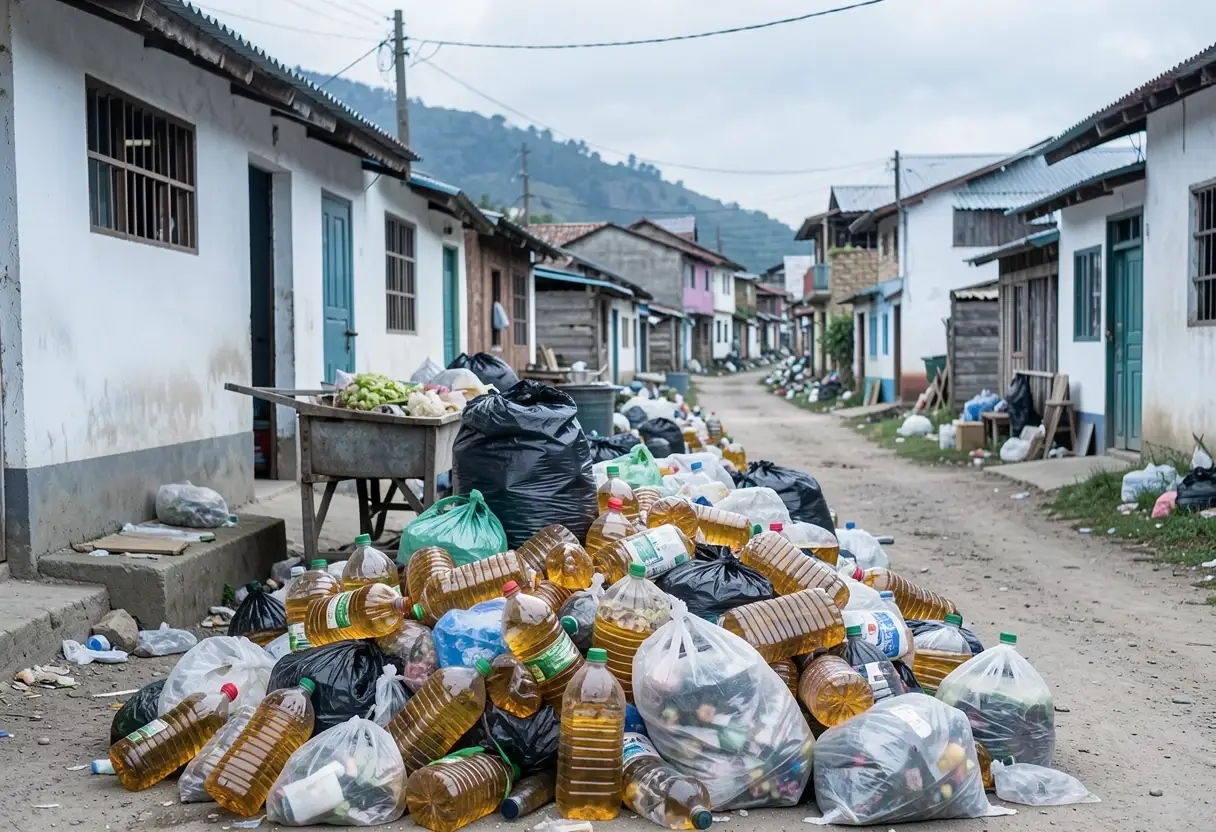
Indonesia has launched a pilot project to convert used cooking oil collected by village cooperatives into sustainable aviation fuel (SAF, jet fuel produced from non-fossil feedstocks), with four cooperatives in Banyumas District, Central Java, starting collection under a scheme backed by state energy company Pertamina.
The Cooperatives Ministry and Pertamina launched the project on October 29, according to a statement received in Jakarta on October 31. The four participating cooperatives operate under the Red and White Village Cooperatives program (KDMP), a government initiative that establishes cooperatives across Indonesian villages.
Cooperatives Minister Ferry Juliantono framed the Banyumas pilot as a template for national replication. "This project could serve as a model for KDMPs across the country," he said. "The used cooking oil collected will be sold to PT Pertamina Patra Niaga to be processed into aviation fuel, which will then be supplied to the aviation sector."
PT Pertamina Patra Niaga is Pertamina's fuel distribution and trading subsidiary. Under the model, cooperatives collect waste cooking oil from their communities and sell the feedstock to Patma Niaga, which processes it into aviation fuel at Pertamina refinery facilities.
What does the pilot change for cooperatives and airlines?
For cooperatives, the project introduces a business model designed to generate profits for cooperative members and create green business opportunities in rural areas. For the aviation sector, it opens an additional domestic SAF feedstock channel drawn from household and food-service waste streams.
Juliantono also identified export potential. He said the initiative could open opportunities for Indonesian sustainable aviation fuel exports, positioning the country as a supplier in a market where airlines worldwide face rising SAF mandates and voluntary adoption targets.
The environmental rationale extends beyond fuel production. Collection and recycling of used cooking oil is expected to reduce environmental pollution caused by household waste, addressing a persistent waste-management problem in Indonesian communities.
Collection network and feedstock sources
The project's success depends on an integrated collection system, according to the minister. That system must involve:
- Households
- Food stalls
- Restaurants
- Small-scale industries
- Kitchens supplying meals for the Free Nutritious Meals program, a government food-support initiative
The inclusion of meal-program kitchens points to the scale the government envisions: institutional kitchens generating consistent volumes of waste oil could anchor cooperative collection beyond scattered household supply.
Pertamina's prior SAF experience
Pertamina President Director Simon Aloysius Mantiri said the company already has operational experience converting used cooking oil into aviation fuel. Pertamina has previously tested the fuel on flights involving transport aircraft and commercial airlines, including Garuda Indonesia and Pelita Air.
Those earlier flight tests establish that the conversion pathway has moved beyond laboratory work. What remains unproven is the feedstock logistics: whether village cooperatives can collect used cooking oil at volumes and purity levels suitable for continuous refining.
"We will continue to explore the best approaches and work with KDMPs to collect used cooking oil and process it into higher-value products at Pertamina's refinery," Mantiri said.
Outlook
The pilot has no stated production volume targets, timeline for national rollout, or pricing terms disclosed in the announcement, leaving its commercial viability to be tested in Banyumas first. If the model proves profitable for cooperative members and delivers refinery-ready feedstock, Indonesia could scale collection through thousands of KDMP cooperatives while building an SAF export proposition on a waste-based supply chain.
via Google News: Sustainable aviation fuel (Source)
More from Priya Raman
Show full bio
Market editor covering money, funding and market shifts around Commercial aviation industry coverage at Flightdeck Report.
596 articles
Same bay
- FDR389Pertamina Targets Sustainable Aviation Fuel From Urban Waste · October 14, 2026
- FDR743Pertamina and Boeing Sign SAF Development MoU in Indonesia · September 30, 2026
- FDR349Philippine energy department targets 1% SAF blend by 2030 · October 10, 2026
- FDR788Japan Pushes Cooking-Oil Feedstock in Sustainable Aviation Fuel Race · September 30, 2026
- FDR567Philippines targets 1% sustainable aviation fuel blend by 2030 · October 14, 2026