Clearance CLR-2149 · AIR724
AIRJET
Airlines & NetworksClearance sheet
Jet fuel shock pushes airlines toward a market correction
Spot jet fuel reached $4.90 a gallon on Oct. 22 as U.S. carriers cut profit forecasts, Asian airlines struggle with leases and JetBlue shares fell more than 57%.
Read-back
- Spot jet fuel reached $4.90 a gallon on Oct. 22, above the post-February peak.
- American, Delta, Southwest and United cut fourth-quarter profit forecasts as 2027 planning advances.
- Several Asian low-cost carriers are struggling to make aircraft lease payments.
- JetBlue shares fell more than 57% from the start of the war as its debt yields surged.
- Concerns have grown that another European budget carrier could follow AirBaltic into bankruptcy.
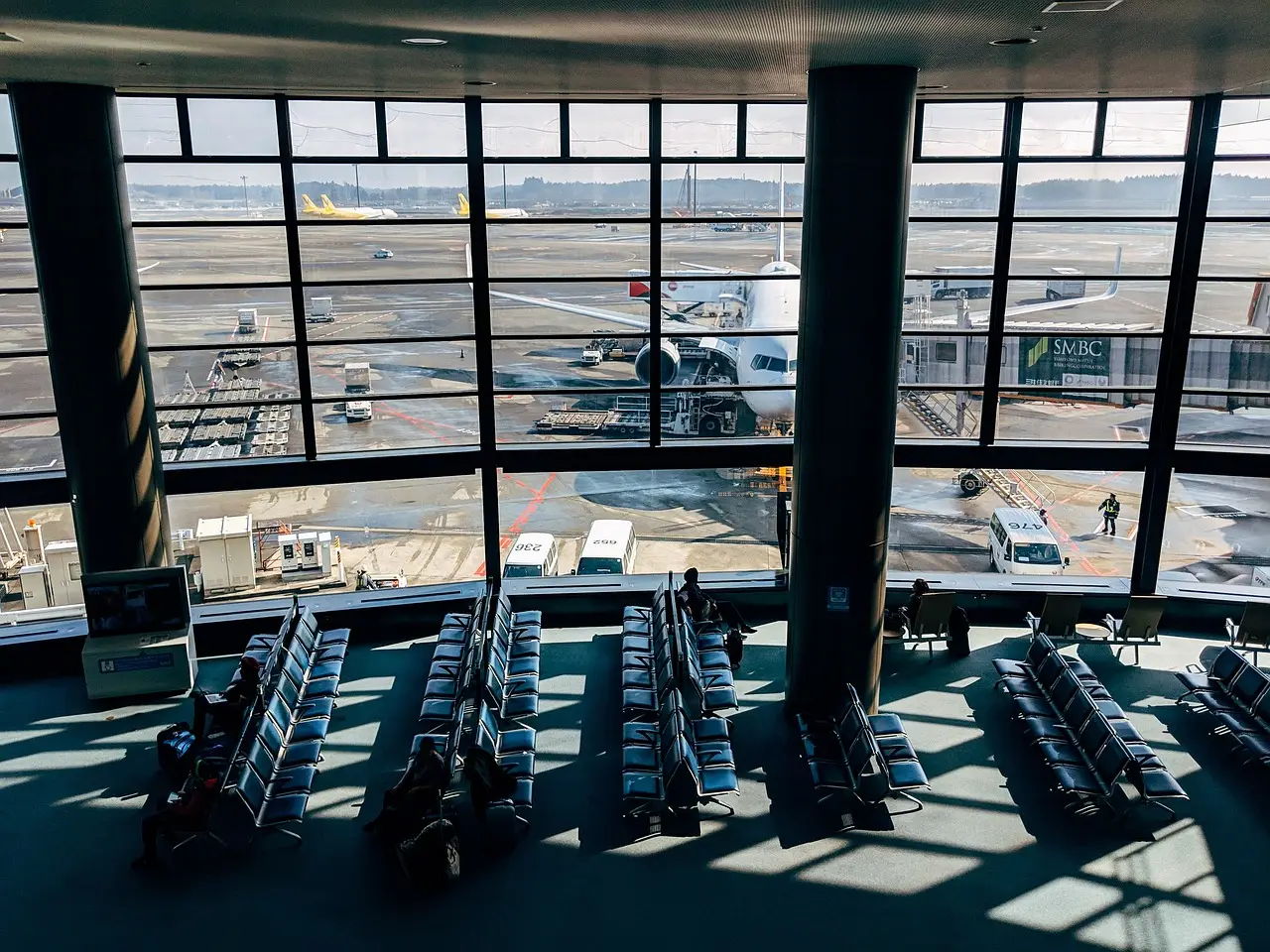
Spot jet fuel reached $4.90 a gallon on Oct. 22, exceeding the previous peak recorded in the weeks after the United States and Israel began bombing Iran in February. Those strikes plunged the Middle East into turmoil, and the resulting geopolitical uncertainty continues to pressure airlines already managing higher costs and tighter cash reserves.
Carriers entered the year scheduling additional lift to meet strong travel demand. As they finalize budgets and strategic plans for 2027, however, rising fuel costs are outpacing revenue growth, and airlines are cutting flights on routes that are not profitable. Those removals pull scheduled capacity from weak routes, while cash reserves come under closer scrutiny.
What changes across currencies?
The currency shift adds a second layer. The strong dollar benefits U.S. airlines but penalizes carriers elsewhere. It also adds uncertainty for Boeing and Airbus. No revised orders, backlog totals or delivery schedules accompany the warning, so any claim of a production change remains unproven.
Which carriers are already revising?
American Airlines, Delta Air Lines, Southwest Airlines and United Airlines have all lowered their fourth-quarter profit forecasts. Each is preparing for conditions to worsen next year as 2027 plans take shape. Those revisions put the fuel shock into near-term earnings expectations, before the northern hemisphere reaches its traditionally slowest travel season.
Financial strain is already visible. Industry sources cited by The Air Current say several prominent Asian low-cost carriers are struggling to make aircraft lease payments. The payment difficulty also exposes aircraft lessors to the downturn, although the report identifies neither the carriers nor the lessors involved.
Concerns are growing that at least one other European budget carrier could follow AirBaltic into bankruptcy, although no prospective carrier is named. That possibility remains prospective, unlike the lease-payment stress already affecting Asian carriers. Together, the two signals point to credit pressure reaching two of the industry's most cost-sensitive segments.
What is JetBlue's credit market saying?\n
JetBlue Airways provides one visible market measure. Its shares have plunged more than 57% since the war began, while yields on its debt have surged. The Wall Street Journal reported that some bondholders have hired restructuring advisers.
The combination signals sharply higher perceived credit risk and a more expensive refinancing environment. It does not, on its own, establish that JetBlue has defaulted or entered restructuring.
How far can the correction run?\n
George Dimitroff, global head of valuations at Ascend by Cirium, told The Air Current: "It's hard to say if it's the end of the cycle, but it's definitely the beginning of a market correction that's under way and is going to accelerate next year."
His wording describes a valuation judgment, not a settled operating forecast. The evidence available so far includes lower profit forecasts, route cuts, lease-payment strain and a severe fall in JetBlue's equity and debt pricing. Cash reserves and winter schedules will test whether those pressures reinforce one another.
What should readers watch next?\n
Three markers will determine whether the warning becomes a broader correction: the scale of winter and 2027 schedule cuts, whether Asian carriers catch up on lease payments, and whether JetBlue's debt costs stabilize. For Boeing and Airbus, revised orders, backlog and delivery schedules will show whether airline retrenchment is beginning to reach manufacturers.
Until those figures appear, the strongest conclusion is narrower than “the cycle has ended”: fuel, credit and network decisions are moving against airlines now, while the scale of the 2027 effect remains unresolved.
The next checkpoint comes as winter schedules firm up and 2027 budgets close: deeper route cuts, more lease stress or another round of profit cuts would support Dimitroff's acceleration call, while lower fuel prices and steadier credit conditions would challenge it.
via theaircurrent.memberful.com (Original)
More from Nathan Brooks
Show full bio
Correspondent covering technology and product news in Commercial aviation industry coverage at Flightdeck Report.
596 articles
Same bay
- FDR765Middle East traffic down 10% as fuel tops $171 · September 26, 2026
- FDR909Jet Fuel at $194.90/bbl Leaves Airlines Flying Into Red Ink · September 28, 2026
- FDR821American Airlines tips 2026 loss as fuel bill jumps 67.5% · October 22, 2026
- FDR150U.S. Carriers Trade Full Planes for Higher Fares as Fuel Costs Bite · October 30, 2026
- FDR268Iran Conflict, Higher Oil Prices Could Accelerate Airline Fleet Renewals · September 28, 2026