Clearance CLR-6171 · AIR150
AIRUSC
Airlines & NetworksClearance sheet
U.S. Carriers Trade Full Planes for Higher Fares as Fuel Costs Bite
Fuel up 90% since February has U.S. carriers choosing yield over load factor: revenue rose 18% on flat traffic, and 2027 capacity plans may not survive.
Read-back
- Jet fuel prices have climbed roughly 90% since February.
- Q3 passenger revenue at five major U.S. carriers rose nearly $8.8 billion, or 18%, on traffic growth under 1%.
- U.S. airfares rose nearly 23% year over year in the seven months through September (Labor Department data).
- Six major U.S. airlines plan 3% domestic capacity growth in Q4 and 3.8% in Q1 2027 (Airlines for America).
- United CEO Scott Kirby cautioned that published 2027 industry capacity plans may not materialize.
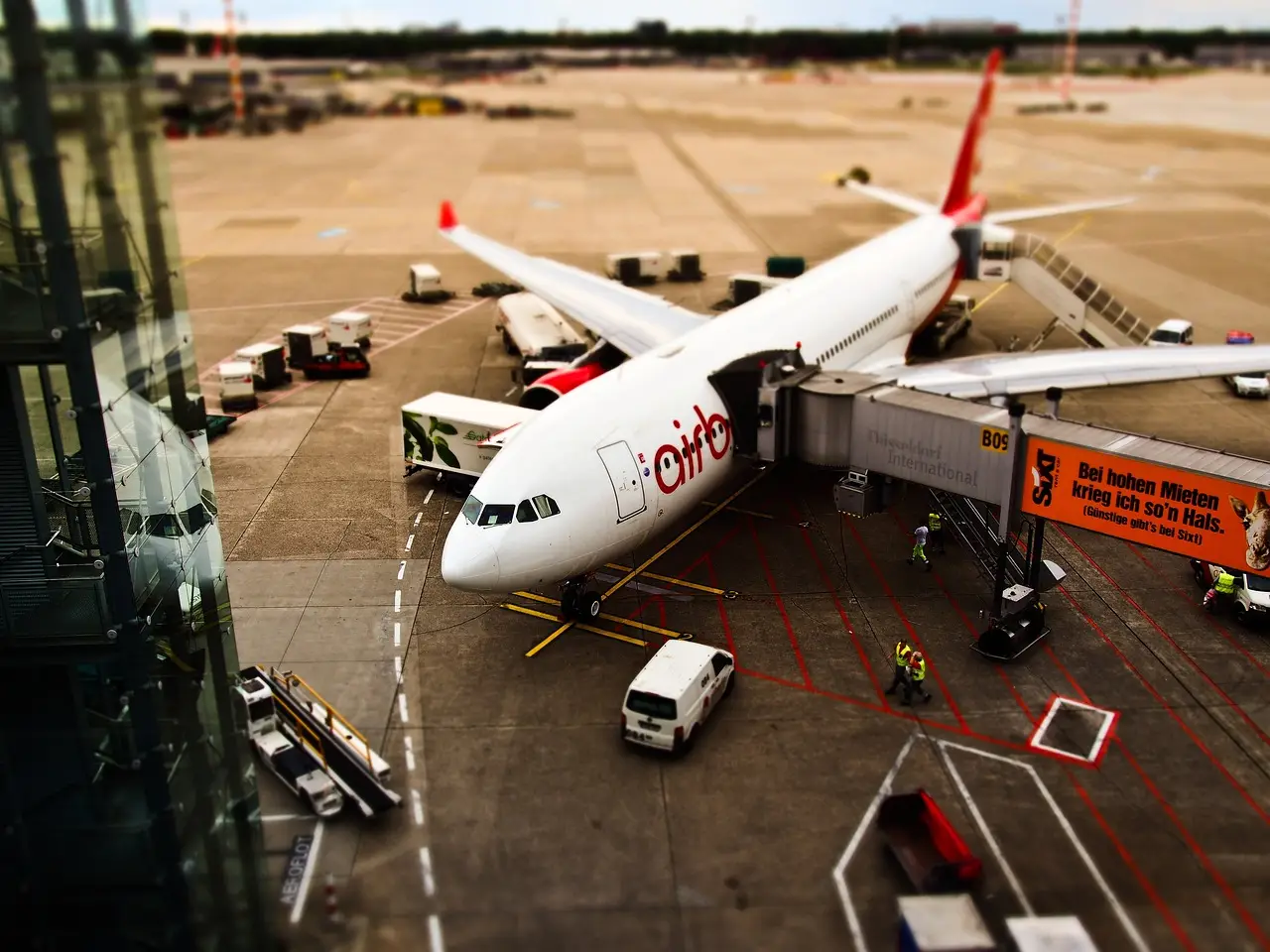
Jet fuel prices have climbed roughly 90% since February, and the five largest U.S. airline groups are answering with a strategy that would have sounded heretical a decade ago: charge more, fly fuller-but-fewer seats, and let traffic growth wait. Combined third-quarter passenger revenue at Delta Air Lines, United Airlines, American Airlines, Southwest Airlines and Alaska Air Group rose nearly $8.8 billion, or 18% year over year, while passenger traffic grew less than 1%.
That gap — double-digit revenue on essentially flat volumes — is the story. Executives across all five carriers are emphasizing stronger passenger yields rather than chasing additional traffic through discounted fares, Reuters reports. The arithmetic explains why: fuel has risen faster than carriers can recover it through pricing. U.S. airfares increased nearly 23% year over year in the seven months through September, according to Labor Department data, yet that still lags the fuel curve.
What does the pricing shift mean for capacity plans?
The squeeze is now reaching the schedule file. Six major U.S. airlines are currently slated to grow domestic capacity by 3% in the fourth quarter and 3.8% in the first quarter of 2027, according to Airlines for America data. But published schedules are commitments on paper, not guarantees of metal moving.
United Airlines CEO Scott Kirby said it plainly: published industry capacity plans for 2027 may not materialize. American Airlines, for its part, is reassessing whether additional flights can generate enough revenue to cover their operating costs at current fuel prices — the kind of route-level math that precedes schedule cuts.
The mechanics of the strategy are straightforward. A carrier flying a 90%-full plane at rock-bottom fares earns less than one flying 80%-full at fares that price in the fuel bill. Yield management — squeezing more revenue per passenger — has delivered the numbers this quarter. The risk, as always, is demand elasticity: at some price point, leisure travelers stay home.
So far, that point hasn't arrived. Revenue rose 18% on traffic that barely moved, which suggests passengers absorbed the fare increases — nearly 23% across seven months — without大规模 canceling trips. Whether that holds into 2027, with fuel still elevated, is the open question executives are now pricing into their fleet and schedule decisions.
Where does the pain land downstream?
A capacity slowdown doesn't stop at the airline's balance sheet. Changes in flight frequencies ripple through the aviation services industry:
- Ground handling demand at major hubs
- Staffing requirements for service providers
- Equipment utilization rates
- Airport service contract volumes
For ground service providers, the message is that operational flexibility and cost management grow more important as carriers juggle capacity, passenger demand and profitability. Fewer flights mean fewer turnaround contracts; higher-yield aircraft mean tighter on-time expectations from carriers watching every cost line.
What happens if fuel stays high?
The industry has published its 3% and 3.8% growth numbers for the next two quarters. The executives running Delta, United, American, Southwest and Alaska have signaled those figures are conditional. If fuel prices remain elevated into 2027, expect schedules to shrink before earnings do — with the consequences flowing down to the ramp, the contract and the airport concession stand.
via Aviation Pros (Source)
More from Nathan Brooks
Show full bio
Correspondent covering technology and product news in Commercial aviation industry coverage at Flightdeck Report.
596 articles
Same bay
- FDR821American Airlines tips 2026 loss as fuel bill jumps 67.5% · October 22, 2026
- FDR168Air cargo rates sit 27% above prior-year level as volumes retreat · October 19, 2026
- FDR948Aviation faces triple squeeze on fuel, engines, geopolitics · October 19, 2026
- FDR216Air Cargo Enters a Higher-Cost Era as Jet Fuel Fears Ease · October 10, 2026
- FDR460Air cargo demand up 4.4% as freight rates climb · October 16, 2026