Clearance CLR-4567 · AIR742
AIRKOR
Airlines & NetworksClearance sheet
Korean Air-Asiana AOC merger targets 17 December 2026
Korean Air and Asiana Airlines plan one AOC for 17 December 2026, after six years of regulatory work, while fleet, cost and network benefits remain unquantified.
Read-back
- Korean Air and Asiana Airlines plan to combine under one AOC on 17 December 2026.
- The merger process has taken six years through multiple regulatory processes.
- CAPA named Korean Air chairman and CEO Walter Cho its 2026 Asian Airline Executive of the Year.
- The accessible source discloses no fleet counts, delivery dates, cost estimates, route changes or market-share figures.
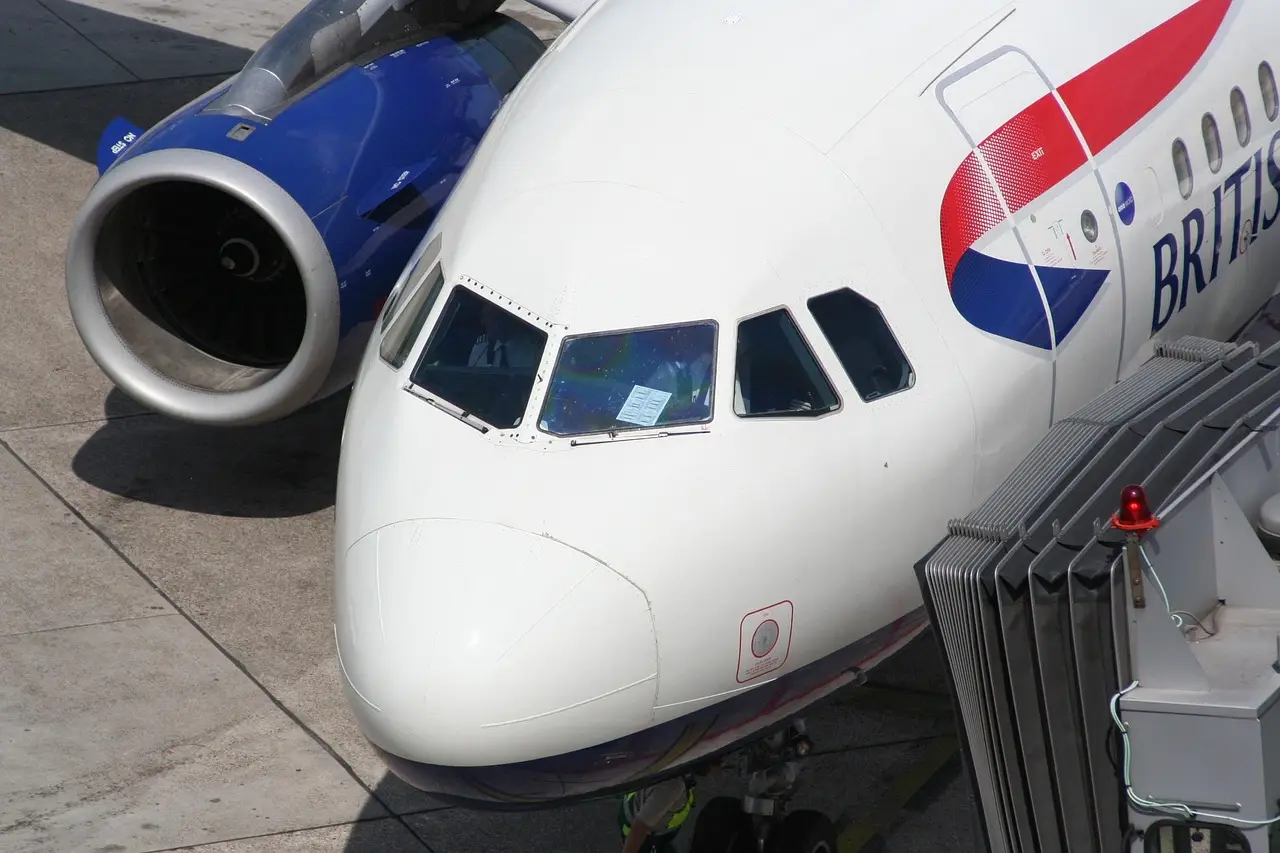
Korean Air and its former rival Asiana Airlines plan to operate under the same air operator certificate on 17 December 2026, after six years of work through multiple regulatory processes. That is the clearest hard milestone in the public account.
The timetable compresses roughly 72 months of effort into one certificate date. It remains a scheduled milestone, not evidence that the combined operation already flies under one certificate. The available account says Korean Air is nearing completion, but it does not identify any regulator, outstanding conditions or approvals already secured.
CAPA, the Centre for Aviation, named Korean Air chairman and CEO Walter Cho its 2026 Asian Airline Executive of the Year at the annual Awards of Excellence. In explaining the award, CAPA cited “the significance of the merger” and “the work involved in navigating the regulatory requirements.”
The recognition is deserved. An award, however, cannot certify a regulatory outcome.
What does the AOC milestone establish?
The AOC target establishes when the source expects the carriers to come under one certificate. The accessible material gives no decision dates, approval conditions, financial remedies or filing schedule beyond that single day. It also does not say whether Asiana’s certificate will be transferred, surrendered or otherwise replaced.
The distinction is material. A common AOC can mark the legal completion of a merger while commercial brands, aircraft, schedules and operating arrangements continue separately. The source does not describe that operating structure, so it supports a legal milestone but not a measured integration. Six years of procedural effort is substantial; it is not a substitute for the regulator’s final record.
How will the fleet change?
Part one of CAPA’s analysis is intended to examine how Korean Air reached this point and what fleet moves might follow. The accessible text gives no aircraft types, fleet counts, retirements, order commitments, delivery dates, utilization rates, dispatch-reliability figures, lessors, MRO providers or OEMs. No manufacturer claim can therefore be checked against backlog and delivery records.
Fleet choices will decide whether merger scale becomes lower unit cost or simply a larger administrative exercise. Retaining separate fleets can preserve route flexibility, but it can also duplicate training, spares and maintenance structures.
Standardizing types may reduce some operating complexity, though it can constrain capacity where aircraft assignments differ. These are conditional mechanisms, not findings; the source supplies no numbers with which to select among them.
Any claimed capacity gain is equally unproven. A shared certificate provides a common operating authority, but it reveals neither available seat capacity nor scheduled frequency.
The source gives no aircraft, route or schedule baseline, so it cannot show whether the merged operation will fly more departures than the two airlines did separately. Its forecast of “a far stronger competitor” remains a promise, not yet a measured result.
What does the merger mean for South Korea?
CAPA says the deal will reshape South Korea’s aviation market and make Korean Air “a far stronger competitor on the global stage.” Its second analysis will consider network and market implications for Korean Air, the former Asiana group and other independent South Korean carriers. That identifies the relevant competitive groups, but not the size of the effect.
The accessible material contains no fare, route, frequency, code-share, alliance or market-share figures. It therefore cannot establish whether independent carriers would lose traffic, whether travellers would gain connections or whether consolidation would lower unit costs. Claims along those lines need schedules and booking data, not only a common AOC.
Cost benefits remain a number without a denominator. Neither carrier’s relevant cost base, synergy estimate or integration expense appears in the source, and no per-flight or per-passenger saving can be calculated. The same caution applies to fleet utilization: without comparable figures for Korean Air and Asiana, the merger cannot be credited with better dispatch reliability or higher aircraft use.
Before 17 December 2026, the evidence to watch is formal and operational: the regulators’ remaining decisions, the final AOC structure, an aircraft-by-aircraft integration plan, and delivery or retirement schedules.
Network commitments and cost estimates should then be tested against those records and the carriers’ actual utilization. CAPA has supplied a date, an executive award and a forecast. It has not yet supplied the evidence to turn them into a completed merger with measurable capacity or cost gains.
via CAPA News (Source)
More from Grace Kim
Show full bio
News editor covering companies, deals and strategy in Commercial aviation industry coverage at Flightdeck Report.
555 articles
Same bay
- FDR694Korean Air orders 103 Boeing aircraft in single-vendor commitment · October 10, 2026
- FDR493Korean Air to Invest 150 Billion Won in New Incheon Maintenance Hub · October 10, 2026
- FDR376Korean Air posts record quarterly revenue of £2.8bn · October 15, 2026
- FDR952AOT Adds Third Ground Handler at Suvarnabhumi Under 25-Year PPP Deal · October 9, 2026
- FDR703Indonesia Fast-Tracks Aviation Safety Rules Ahead of 2027 ICAO Audit · October 3, 2026