Clearance CLR-8628 · SUS187
SUSKUW
SustainabilityClearance sheet
Kuwait State Fuel Supplier Lines Up E-SAF Volumes From UK Project
Kuwait's state-owned aviation fuel supplier has lined up e-SAF volumes from a UK project, Gulf report says, as synthetic-fuel mandates loom in Europe.
Read-back
- Kuwait's state-owned aviation fuel supplier has agreed to take e-SAF volumes from a UK project
- The deal was reported by Hydrogen Insight; volume, price and timeline were not disclosed
- E-SAF is synthetic kerosene made from green hydrogen and captured CO2
- The EU's ReFuelEU Aviation regulation imposes an e-fuel sub-mandate from 2030
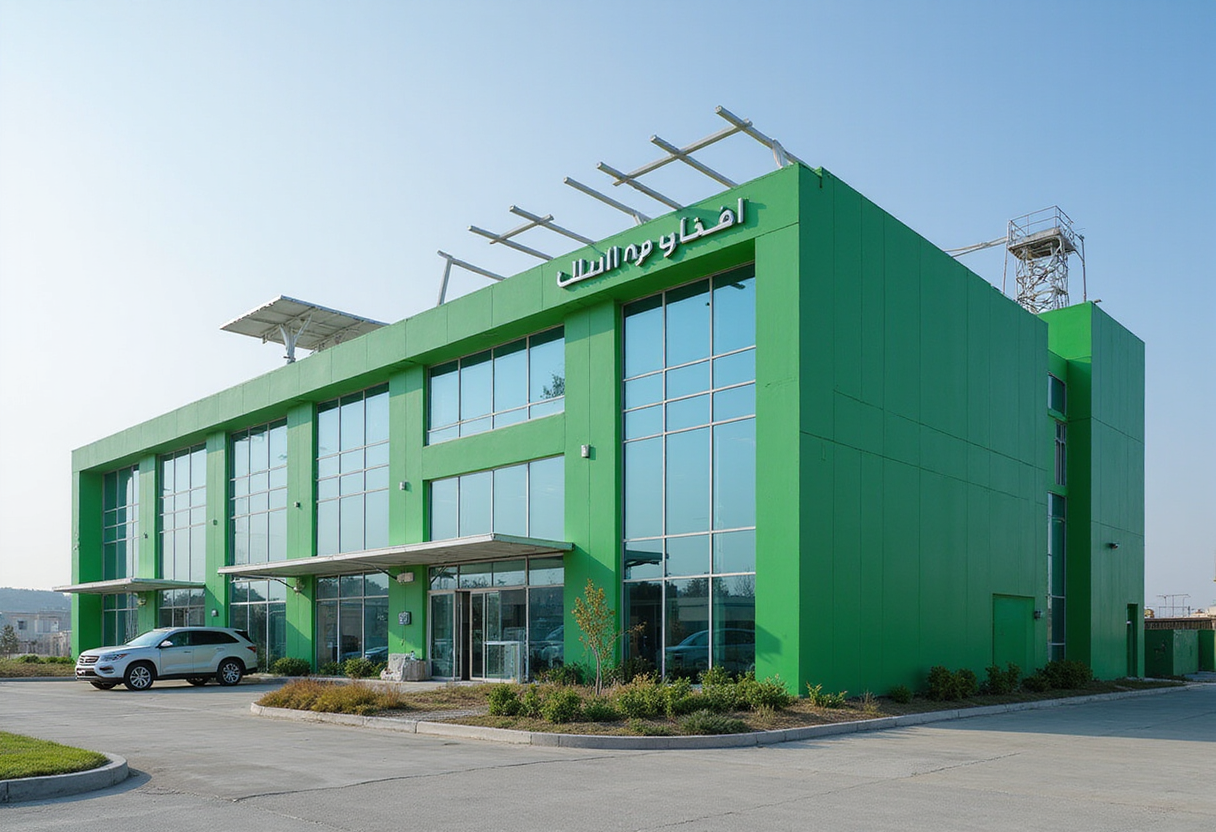
Kuwait's state-owned aviation fuel supplier has agreed to take volumes of e-SAF — synthetic aviation fuel made from captured carbon and hydrogen-derived feedstocks — from a project based in the UK, according to a report by Hydrogen Insight.
The deal links a Gulf state fuel monopoly with a British advanced-fuels developer at a moment when airlines face binding sustainable aviation fuel mandates in Europe and rising voluntary procurement targets elsewhere. The specific project, the contracted volume and the delivery timeline were not disclosed in the report.
Why does a Kuwaiti fuel supplier want UK e-SAF?
E-SAF — power-to-liquid synthetic kerosene produced from green hydrogen and captured CO2 — remains the scarcest category of sustainable aviation fuel on the market. Unlike HEFA fuels derived from waste fats and oils, e-SAF carries almost no feedstock constraint in principle, but production today is measured in pilot-scale quantities.
For a state-owned supplier in Kuwait, securing offtake from a UK project does two things. It positions the company within a supply chain that European regulators are increasingly forcing airlines to use. And it gives the Gulf fuel system a foothold in a fuel category where the region's traditional crude-based advantage does not apply.
The counterparty — the UK-based project — gains what most early e-SAF developers lack most: a creditworthy buyer with sovereign backing, capable of anchoring project financing.
What is e-SAF and why is it scarce?
E-SAF is produced by combining green hydrogen, made via electrolysis powered by renewable electricity, with captured carbon dioxide. The result is a drop-in synthetic kerosene that can blend into conventional jet fuel without engine or infrastructure modification.
The constraint is cost and scale. Electrolysers, renewable power and direct air capture remain expensive, and few projects worldwide have reached final investment decision. Most announced e-SAF capacity sits in the 2027–2030 window, and several European mandates specifically carve out a sub-quota for synthetic fuel within broader SAF requirements.
That regulatory carve-out is what gives offtake agreements like this one their commercial logic: airlines and fuel suppliers must find synthetic molecules that barely exist yet, and they are signing contracts now to reserve them.
How does this fit the SAF mandate picture?
The UK's own SAF mandate requires increasing shares of sustainable fuel in departing-flight jet fuel later this decade, with a synthetic-fuel element written into the framework. The EU's ReFuelEU Aviation regulation similarly imposes a dedicated e-fuel sub-mandate beginning in 2030.
A Kuwaiti supplier contracting UK-origin e-SAF is therefore operating at the intersection of two regulatory systems: one that creates demand on the airline side in Europe, and one that governs production where the fuel is made. Gulf fuel suppliers — historically exporters of conventional jet fuel into global markets — now face a strategic question of whether to import, co-produce or simply broker the new fuel categories.
What remains unanswered?
The report does not specify:
- Which UK project will supply the volumes
- The tonnage or percentage of offtake secured
- The price mechanism or duration of the agreement
- Whether the fuel is destined for Kuwaiti airports, for airlines supplied by the Kuwaiti firm, or for export
Until those details emerge, the agreement is best read as a positioning move rather than a supply commitment with measurable capacity consequences. The gap between announced e-SAF offtakes and fuel actually delivered remains the sector's defining characteristic, and this deal will be judged — like the rest of the category — against actual production dates rather than signatures.
via Google News: Sustainable aviation fuel (Source)
More from Nathan Brooks
Show full bio
Correspondent covering media and advertising at Flightdeck Report.
194 articles
Same bay
- FDR461ETFuels Signs Early-Stage e-SAF Agreement with Kuwaiti Fuel Supplier · October 9, 2026
- FDR566Q8Aviation Selects ETFuels for E-SAF Supply Collaboration · October 9, 2026
- FDR944Hydrogen Utopia Gains UK Licence for Waste-to-Jet Fuel Push · October 2, 2026
- FDR445DHL Signs SAF Supply Agreement with SAF One in Bahrain · September 27, 2026
- FDR973Germany, Austria, Luxembourg Launch €2.12 Billion SAF Program · September 30, 2026