Clearance CLR-5029 · SUS494
SUSMAG
SustainabilityClearance sheet
MAG studies green levy as SAF premium reshapes airline cost math
MAG is studying a passenger-level green levy to recover SAF cost premiums as biofuel continues to cost multiples of conventional jet fuel in most procurement channels, according to early reporting.
Read-back
- Malaysia Aviation Group is studying a passenger-level green levy to recover the SAF cost premium, according to The Batesville Daily Guard.
- SAF currently trades at multiples of Jet A1 in most procurement channels, per the source reporting.
- The proposal would shift SAF cost recovery from base fare absorption to a visible line-item surcharge.
- The regulatory pathway through CAAM and MAVCOM is not specified in the source reporting.
- The level, structure, and timing of any levy remain unstated in the source.
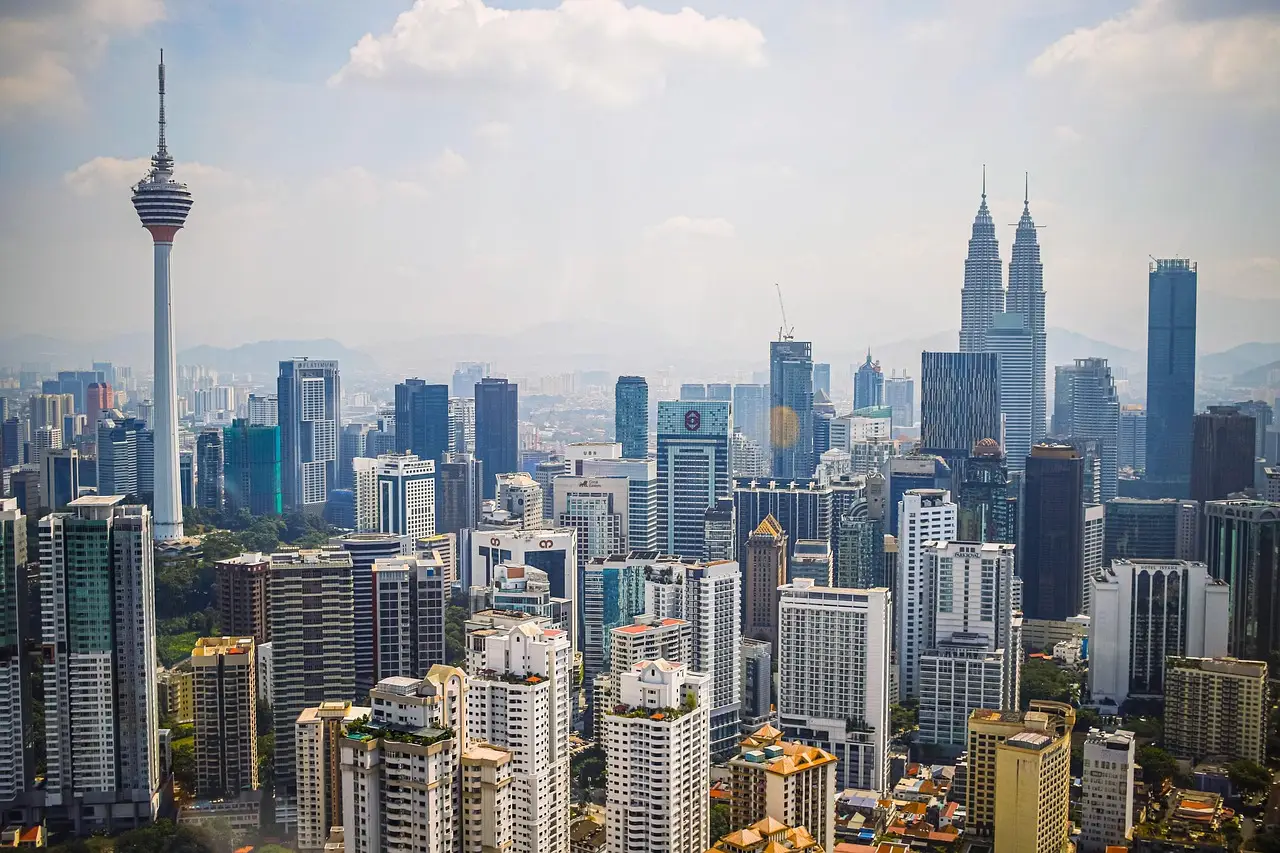
Malaysia Aviation Group (MAG) is studying a passenger-level green levy to recover the cost premium for sustainable aviation fuel, according to reporting carried by The Batesville Daily Guard this week. The proposal surfaces as SAF — jet fuel made from waste oils, agricultural residues, or synthetic feedstocks and certified for blending with conventional kerosene — costs multiples of Jet A1 in most procurement channels.
The move, if implemented, would shift SAF cost recovery from base fare absorption into a line-item surcharge visible at booking.
What does a green tax change for ticket pricing?
A line-item levy makes the SAF premium transparent to the traveller. The price signal sits on the ticket, parallel to existing components such as fuel surcharges, airport fees, and security charges.
Whether the levy would be flat, distance-based, or route-specific is not specified in the source reporting. The mechanism matters: a flat charge shifts cost disproportionately onto short-haul passengers, while a percentage-based structure tracks fuel burn more closely but produces less predictable ticket totals.
Why is the SAF premium a problem now?
The SAF-versus-kerosene gap has widened even as mandate compliance tightens. Several major aviation markets have moved from voluntary SAF targets to binding blending requirements. Carriers must now source a percentage of uplift from certified sustainable pathways.
For an airline with a long-haul trunk network, absolute fuel-cost exposure concentrates on widebody sectors. SAF cost recovery on those sectors drives a large share of the total SAF bill, even though long-haul passengers represent a minority of total boardings.
How would the proposal work in Malaysia's framework?
The reporting does not specify the regulatory pathway. Ticket surcharges typically require engagement with national fare-display authorities. Malaysia's framework splits that function: the Civil Aviation Authority of Malaysia (CAAM) handles safety oversight, and the Malaysian Aviation Commission (MAVCOM) oversees fare structure.
The level of the proposed charge, the timing of any rollout, and whether MAG would coordinate with regulators or with peer airlines in the Association of Asia Pacific Airlines (AAPA) are unstated in the source.
What does this change for the region?
If MAG proceeds, peer carriers operating parallel long-haul networks face a comparable decision: absorb the premium, raise base fares, or itemise a levy.
The choice typically tracks business model. Full-service network carriers have historically itemised fuel surcharges, while low-cost carriers absorb fuel cost into headline pricing. The structural question is whether one flag carrier's levy triggers parallel moves at competitors, or whether the carrier concludes that absorbing the premium is the lower-risk option for retaining fare-sensitive travellers on competitive trunk routes.
What to watch next
Three indicators in upcoming reporting will show whether the proposal moves from consideration to implementation:
- Fuel cost per available seat kilometre, or CASK (total operating cost divided by seats flown), and how it trends relative to peer carriers.
- Any management commentary on ticket pricing structure or surcharges.
- Fuel hedging disclosures showing how much of the next twelve months' uplift is locked at fixed pricing.
The deeper question for regional airline economics is whether sustainable fuel costs become a permanent line-item on the ticket or stay absorbed in headline pricing. The MAG study suggests the industry's first instinct is to consider the visible option.
via Google News: Sustainable aviation fuel (Source)
More from Sophie Lindqvist
Show full bio
Senior reporter covering people, launches and day-to-day practice in Commercial aviation industry coverage at Flightdeck Report.
551 articles
Same bay
- FDR776Malaysia Airlines parent floats green tax as fuel costs bite · October 19, 2026
- FDR668Malaysia Aviation Group floats green tax as SAF costs strain carriers · October 19, 2026
- FDR260Malaysia Aviation Group floats green tax as fuel costs bite · October 19, 2026
- FDR860Malaysia Airlines Parent Floats Green Tax as SAF Costs Bite · October 19, 2026
- FDR516MAG weighs passenger levy to bridge sustainable fuel premium · October 19, 2026