Clearance CLR-2892 · SUS523
SUSMAL
SustainabilityClearance sheet
Malaysia Aviation Group weighs passenger levy to cover fuel costs
Malaysia Aviation Group, parent of Malaysia Airlines, is studying a passenger green levy to fund sustainable aviation fuel, mirroring mechanisms already adopted in Singapore and Europe.
Read-back
- Malaysia Aviation Group, parent of Malaysia Airlines, is considering a passenger green tax to offset SAF costs.
- No levy rate, implementation date or SAF volume commitment has been announced.
- Singapore is first in Asia to mandate a passenger SAF levy, effective for flights departing from 2026.
- The proposal would follow a model already in force in Europe under the ReFuelEU Aviation mandate from 2025.
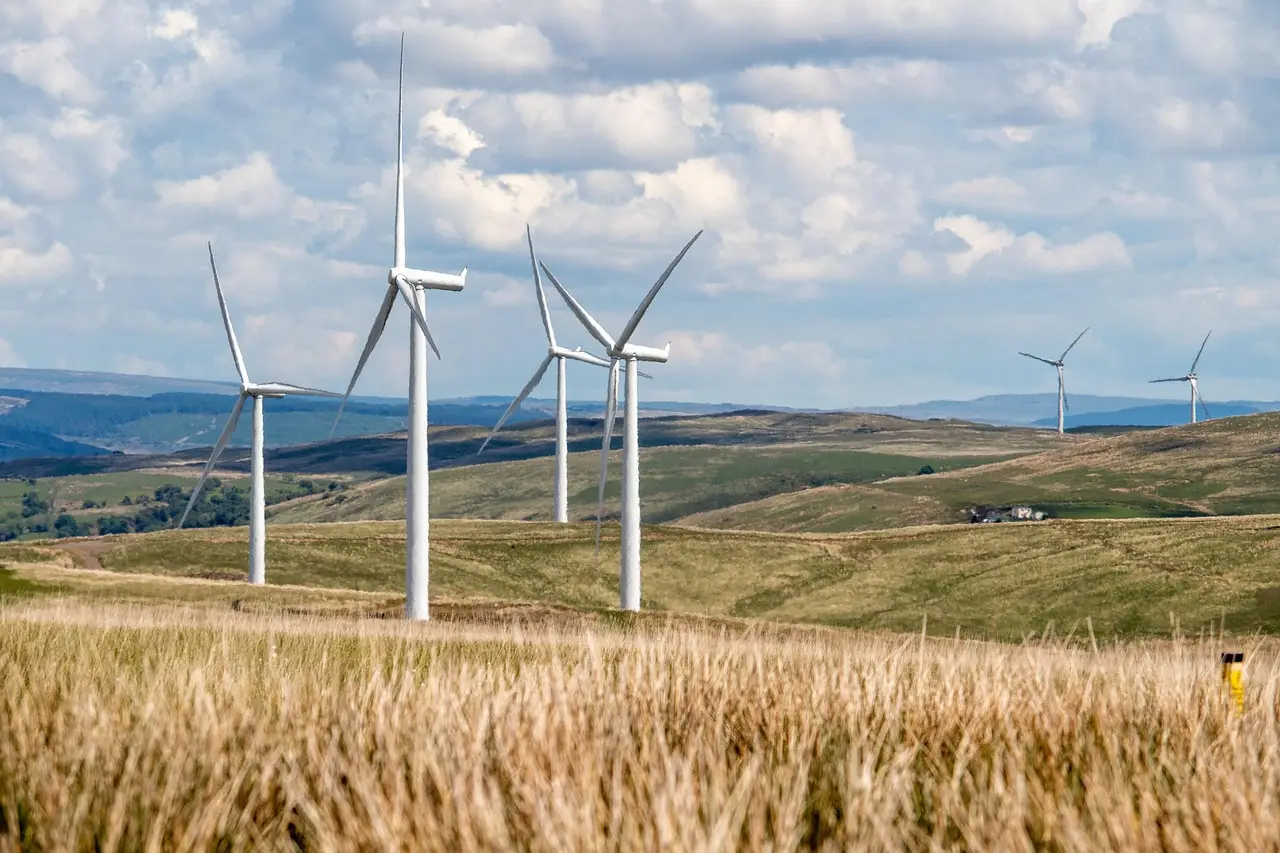
Malaysia Aviation Group (MAG), the parent company of Malaysia Airlines, is considering a passenger 'green tax' designed to offset the higher cost of sustainable aviation fuel (SAF, a drop-in replacement for kerosene produced from renewable feedstocks).
The proposal was reported by Free Malaysia Today. It signals that one of Southeast Asia's flag carriers is moving from voluntary SAF purchases toward a structured passenger-funded mechanism, a model already under discussion or in force in parts of Europe and Singapore.
Why is MAG considering the levy?
SAF currently trades at a substantial premium over conventional jet fuel, and that premium falls outside what airlines can absorb within existing fares on a sustained basis. A passenger levy would spread the incremental cost across the ticket base rather than concentrating it on the carrier's balance sheet.
For MAG, the mechanism would create a dedicated funding stream for SAF procurement without exposing operating margins to fuel-price volatility. The group has not yet announced a rate, an implementation date or the specific SAF volumes the levy would finance.
What does this change for passengers and the network?
If adopted, the levy would add a visible surcharge to fares departing Malaysia, effective on the day the mechanism launches. Passengers would pay it at the point of sale. The airline would gain predictable SAF funding, but the levy's size will determine whether it registers as a rounding error on regional fares or a material cost on long-haul sectors where fuel is the largest single expense.
The decision also has competitive implications. Malaysia Airlines competes with Singapore Airlines, Cathay Pacific and Gulf carriers across Southeast Asian traffic. A unilateral Malaysian levy would raise the group's cost base relative to rivals that have not adopted equivalent charges, unless regulators align the mechanism across the market or neighbouring jurisdictions follow suit.
The regional context
MAG would not be first in the region to move in this direction. Singapore announced a SAF levy on flights departing Changi from 2026, making it the first country in Asia to mandate SAF uptake with a passenger-funded mechanism. Japan has set a 2030 SAF target for Japanese carriers. European carriers operate under the ReFuelEU Aviation mandate, which phases in SAF blending requirements from 2025.
The Malaysian proposal, if implemented, would place the country's flag carrier inside a widening group of Asian airlines that treat SAF funding as a structural cost of operations rather than a discretionary sustainability spend.
What remains undecided
MAG has not confirmed the levy's structure, rate or timeline. Key open questions include whether the charge applies to all departing flights or only international sectors, whether it is flat or distance-based, and which regulator — the Malaysian Aviation Commission or the Civil Aviation Authority of Malaysia — would approve and oversee it.
The group must also define how levy proceeds are audited and directed to SAF purchases, since passenger-facing green charges invite scrutiny over whether collected funds genuinely purchase fuel.
A formal announcement on the levy's design and start date would move the proposal from study to policy, and would set the benchmark other Southeast Asian carriers weigh as they face the same fuel-cost question.
via Google News: Sustainable aviation fuel (Source)
More from Priya Raman
Show full bio
Market editor covering money, funding and market shifts around Commercial aviation industry coverage at Flightdeck Report.
567 articles
Same bay
- FDR668Malaysia Aviation Group floats green tax as SAF costs strain carriers · October 19, 2026
- FDR293Malaysia Airlines parent floats green tax as fuel costs strain carriers · October 19, 2026
- FDR776Malaysia Airlines parent floats green tax as fuel costs bite · October 19, 2026
- FDR494MAG studies green levy as SAF premium reshapes airline cost math · October 19, 2026
- FDR860Malaysia Airlines Parent Floats Green Tax as SAF Costs Bite · October 19, 2026