Clearance CLR-6405 · SUS754
SUSMAL
SustainabilityClearance sheet
Malaysia Delays 1% SAF Mandate for KLIA Flights to 2030
Malaysia postpones its 1% SAF mandate for KLIA international flights from 2027 to 2030, as CAAM lacks a regulatory framework and domestic refinery capacity is still building.
Read-back
- Malaysia deferred the 1% SAF mandate for KLIA international departures from January 2027 to 2030.
- EcoCeres' Johor plant began commercial SAF production in October 2025 with 420,000 tonnes annual licensed capacity.
- The PETRONAS-Enilive-Euglena biorefinery in Pengerang is due online in H2 2028 with 650,000 tonnes per year capacity.
- CAAM has no regulatory framework yet to implement the mandate.
- SAF production costs remain higher than conventional jet fuel.
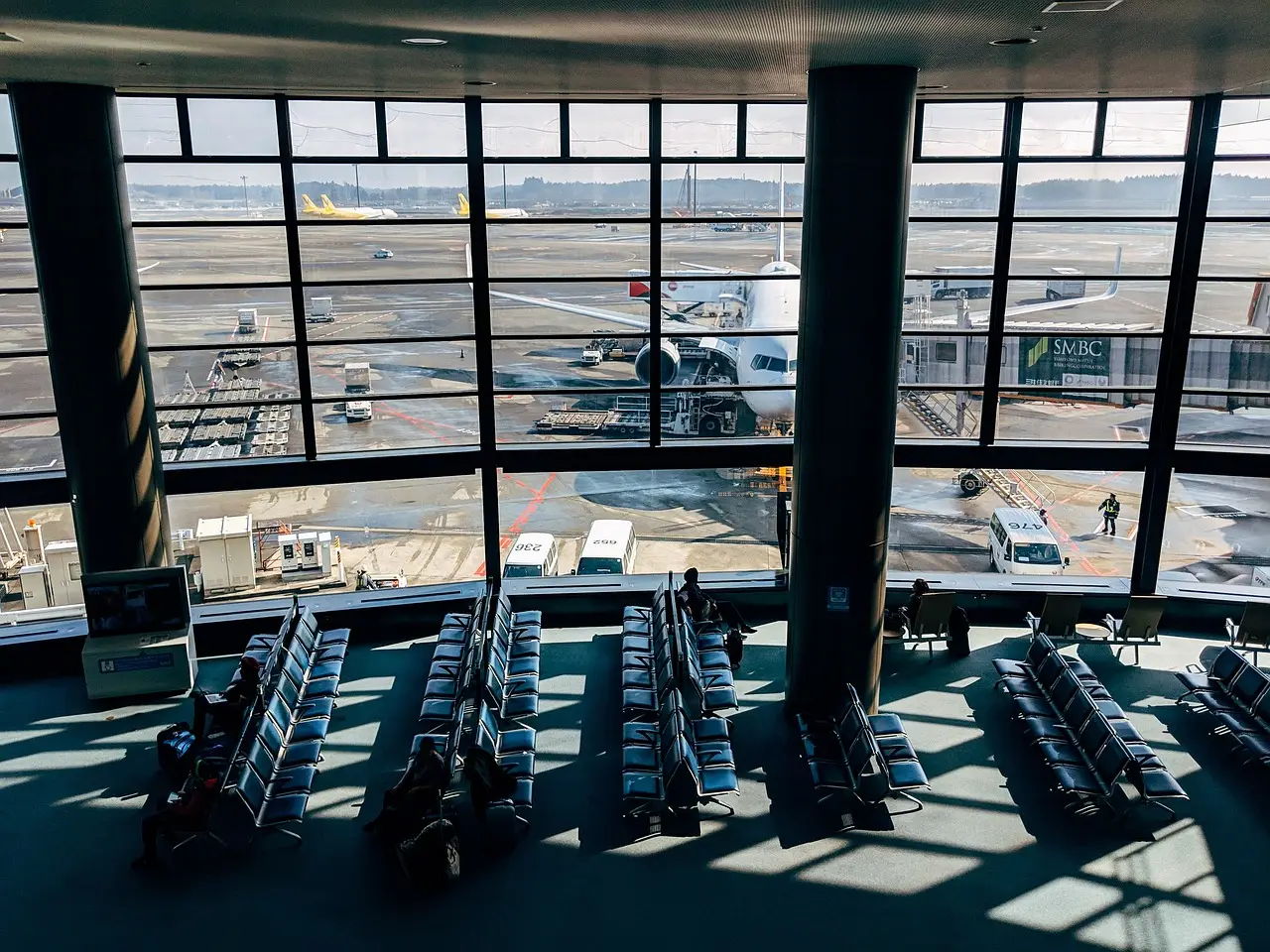
Malaysia has pushed its mandatory 1% sustainable aviation fuel requirement for international flights departing Kuala Lumpur International Airport from January 2027 to 2030. The Plantation and Commodities Ministry announced the three-year deferral on Nov 4, following discussions with the Transport Ministry.
The delay is procedural as much as commercial. The Civil Aviation Authority of Malaysia (CAAM) still lacks a regulatory framework capable of enforcing the mandate, and the ministry said the extra time will allow the regulator to build one properly. It also gives airlines and fuel suppliers room to prepare their operations.
That is a generous reading. A 1% blend is, by any arithmetic, a modest ask. Yet the government has judged that even this threshold cannot be met on the original timeline — a signal about how far Southeast Asia's SAF supply chain remains from readiness.
What does Malaysia actually produce today?
The supply picture explains the caution. Malaysia began commercial SAF production only in October 2025, through the EcoCeres plant in Johor, which holds a licensed capacity of 420,000 metric tonnes annually.
A second project is still on the drawing board of the calendar. The PETRONAS-Enilive-Euglena biorefinery at Pengerang is expected to begin operations in the second half of 2028, with a processing capacity of 650,000 metric tonnes per year. Combined, the two plants would give Malaysia just over one million tonnes of annual renewable fuel capacity — raw material that serves road transport and shipping markets as well as aviation.
The sequencing matters. Under the original 2027 start date, carriers would have faced a mandate before the country's larger refinery had produced a single tonne. The 2030 deadline at least aligns the obligation with an operating domestic supply base, assuming Pengerang arrives on schedule. Biorefinery schedules, as the industry has learned elsewhere, are commitments rather than facts.
Why the mandate costs more than it saves
The economics remain the mandate's weakest flank. SAF, produced from renewable hydrocarbon sources such as agricultural waste, used oils and alcohols, is promoted as an environmentally friendlier alternative to conventional fossil jet fuel. Production costs, however, still run higher than those of standard aviation fuel.
A 1% blend therefore raises airline fuel bills rather than lowering them, which is why governments typically pair mandates with subsidies or off-take guarantees. Malaysia has announced no such accompanying measures in this statement.
The ministry nonetheless reaffirmed the government's commitment to developing a domestic SAF industry as part of its broader sustainable energy transition. Malaysia, as one of the world's largest palm oil producers, has an obvious structural interest in converting waste oils and agricultural by-products into export-grade fuel.
What happens next
The practical test now falls to CAAM, which must translate a 2030 target date into certification rules, blending standards and enforcement mechanics for international carriers at KLIA. How quickly that framework materialises will indicate whether the 2030 date is a plan or another deferral in waiting.
via Google News: Sustainable aviation fuel (Source)
More from Grace Kim
Show full bio
News editor covering companies, deals and strategy in Commercial aviation industry coverage at Flightdeck Report.
544 articles
Same bay
- FDR188Malaysia reviews 1% SAF mandate for KLIA as energy market shifts · November 6, 2026
- FDR125Malaysia weighs SAF production costs against airline affordability · October 19, 2026
- FDR132CAAM sets affordability test for Malaysia's SAF push · October 19, 2026
- FDR668Malaysia Aviation Group floats green tax as SAF costs strain carriers · October 19, 2026
- FDR601UMeWorld Moves Malaysian SAF Project Into FEED Contractor Selection · September 28, 2026