AirportsClearance sheet
Melbourne logs record October international traffic on Finnair, TransNusa arrivals
Melbourne Airport posted a record 1,056,569 international passengers in October, up 2.3%, as Finnair and TransNusa launched routes — while domestic traffic slipped on fuel-driven capacity cuts.
Read-back
- Melbourne Airport processed 1,056,569 international passengers in October, up 2.3% year-on-year — a record for the month.
- Domestic traffic fell 2.3% to 2,202,466 passengers; total passengers excluding transits dropped 0.8% to 3,259,035.
- Finnair (Helsinki via Bangkok) and TransNusa (Bali) launched in October; Korean Air arrives in December and British Airways starts Heathrow services in January.
- The airport is undertaking a privately funded $4.5 billion international terminal expansion with five new departure gates.
- A planned 3,000-metre third runway, approved last year, is expected to open in the early 2030s.
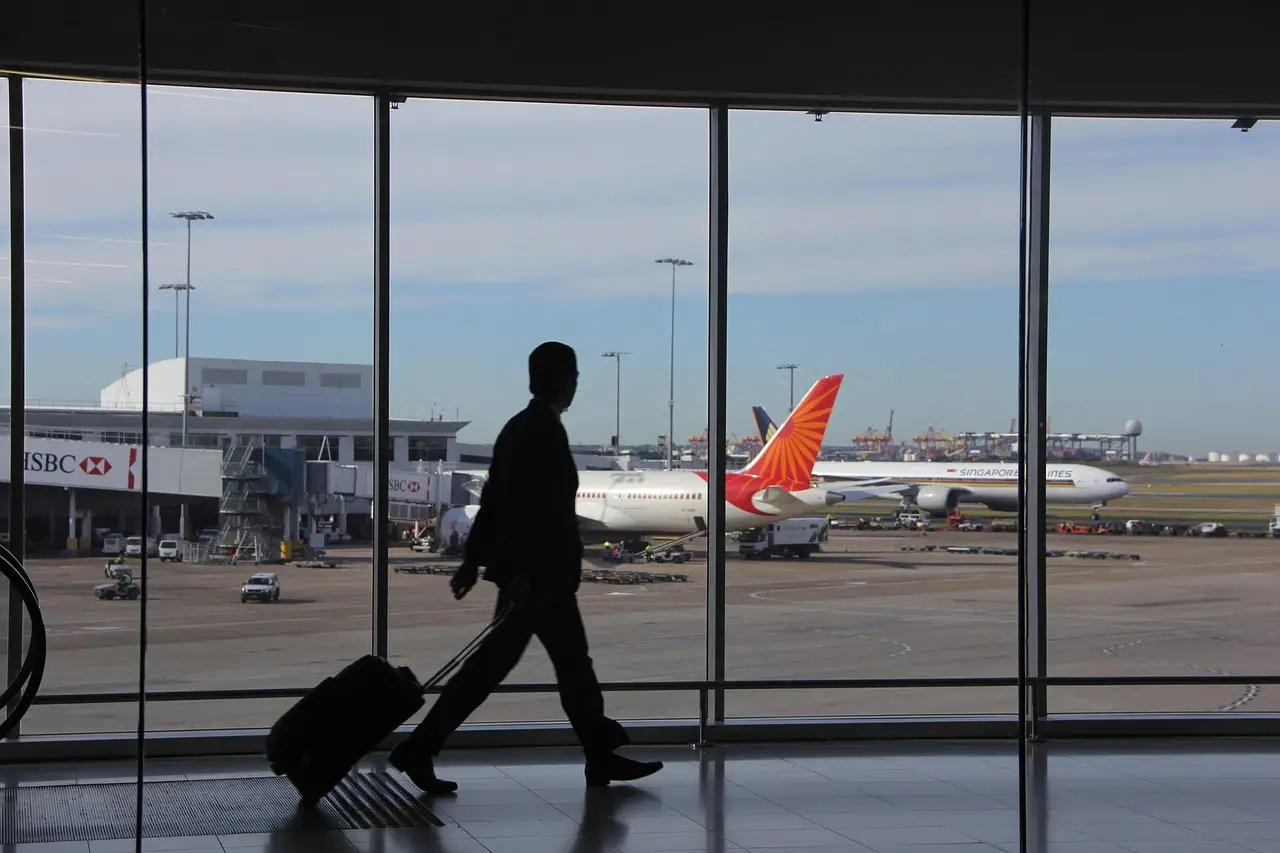
Melbourne Airport processed 1,056,569 international passengers in October, its best October on record and a 2.3 per cent increase on the same month a year earlier. The milestone landed in the same month that Finnair launched Melbourne–Bangkok–Helsinki services and TransNusa commenced a new Bali route, adding two carriers to the airport's international lineup in a single 31-day window.
The record comes with a caveat: domestic traffic fell 2.3 per cent year-on-year to 2,202,466 passengers, leaving total passengers, excluding transits, down 0.8 per cent at 3,259,035.
Airport CEO Lorie Argus tied the international gains to a pipeline of new carriers — and to the capital works needed to absorb them.
Who is flying in, and when?
Four airline additions frame Melbourne's international growth curve:
- Finnair — Helsinki via Bangkok, launched October
- TransNusa — Bali service, commenced October
- Korean Air — arriving December
- British Airways — London Heathrow services starting January
"With Finnair and TransNusa touching down in October, Korean Air arriving in December and British Airways starting London Heathrow services in January, it's essential that we invest in the terminal, runway and airfield projects that are needed to support international growth for Melbourne," Argus said.
She put a hard number on the stakes: "An average daily international flight is worth approximately $190 million to the Victorian economy, so these investments really do support the state's prosperity."
Why did domestic traffic fall while international rose?
Fuel prices are the driver. Airlines trimmed capacity on Australian domestic sectors in response to higher fuel costs, and the cuts bit into October's numbers.
"While international passenger numbers were up in October, domestic travel was down, with airlines reducing capacity on some Australian sectors as a result of higher fuel prices," Argus said.
Domestic carriers have flagged further capacity reductions in the months ahead. The international picture runs the other way: Qatar Airways, Air India, Singapore Airlines and China Eastern have all added capacity, giving Melbourne travellers what Argus called more options to see the world from Melbourne than ever before.
The split — international up 2.3 per cent, domestic down 2.3 per cent — marks a divergence that will shape the airport's revenue mix if the trend holds through the southern summer.
What is Melbourne building to handle the growth?
The passenger records are arriving alongside a construction program measured in billions.
Melbourne Airport last month released new artist impressions for its privately funded $4.5 billion international terminal expansion, including rendered plans for new check-in, departures and arrivals halls. The project delivers higher ceilings, more natural light, five new departure gates, and upgraded airline lounge and retail offerings.
Beyond the terminal, Australia's largest 24-hour gateway is preparing for a third runway. Plans were approved last year, and the 3,000-metre strip is currently expected to open in the early 2030s — capacity that will arrive well after Korean Air and British Airways have bedded down their new routes.
Ground access changed too. New pick-up and drop-off zones for Terminals 1, 2 and 3 opened in early October, a revamp Argus said passengers had embraced.
"October was a big month for Melbourne Airport, with the opening of our new pick-up and drop-off zones for Terminals 1, 2 and 3, and we're grateful for the way passengers have embraced the change," she said.
With British Airways' January start and a third runway advancing toward the early 2030s, Melbourne's challenge now is sequencing: convert a record October into sustained growth before the infrastructure needed to sustain it is finished.
via australianaviation.com.au (Source)
More from Nathan Brooks
Show full bio
Correspondent covering technology and product news in Commercial aviation industry coverage at Flightdeck Report.
700 articles
Same bay
- Fifty New Routes for October 2026 as Winter Season Opens · October 10, 2026
- Finnair adds Australia to its network with daily A350 Helsinki–Melbourne link · October 26, 2026
- Western Sydney Opens, But Its Airlines Have Not Arrived Yet · November 16, 2026
- British Airways Opens Winter 2026 Schedule with Colombo and Melbourne · November 6, 2026
- Qantas targets Indonesia with major network expansion · October 2, 2026