AirportsClearance sheet
MWAA Awards Jacobs and TYLin $150 Million Program Management Deals
MWAA has hired Jacobs and TYLin under five-year deals worth up to $150 million to manage Dulles' $20 billion rebuild and Reagan National's Terminal 1 replacement.
Read-back
- MWAA awarded Jacobs and TYLin five-year program management contracts with a combined $150 million spending limit.
- Extension options could raise the total to $300 million over 10 years.
- Dulles redevelopment is valued at more than $20 billion, including AeroTrain extensions under Package T.
- Reagan National's Terminal 1 will be replaced and the South Area redeveloped.
- Jacobs previously supported the Silver Line extension that began serving Dulles in 2022.
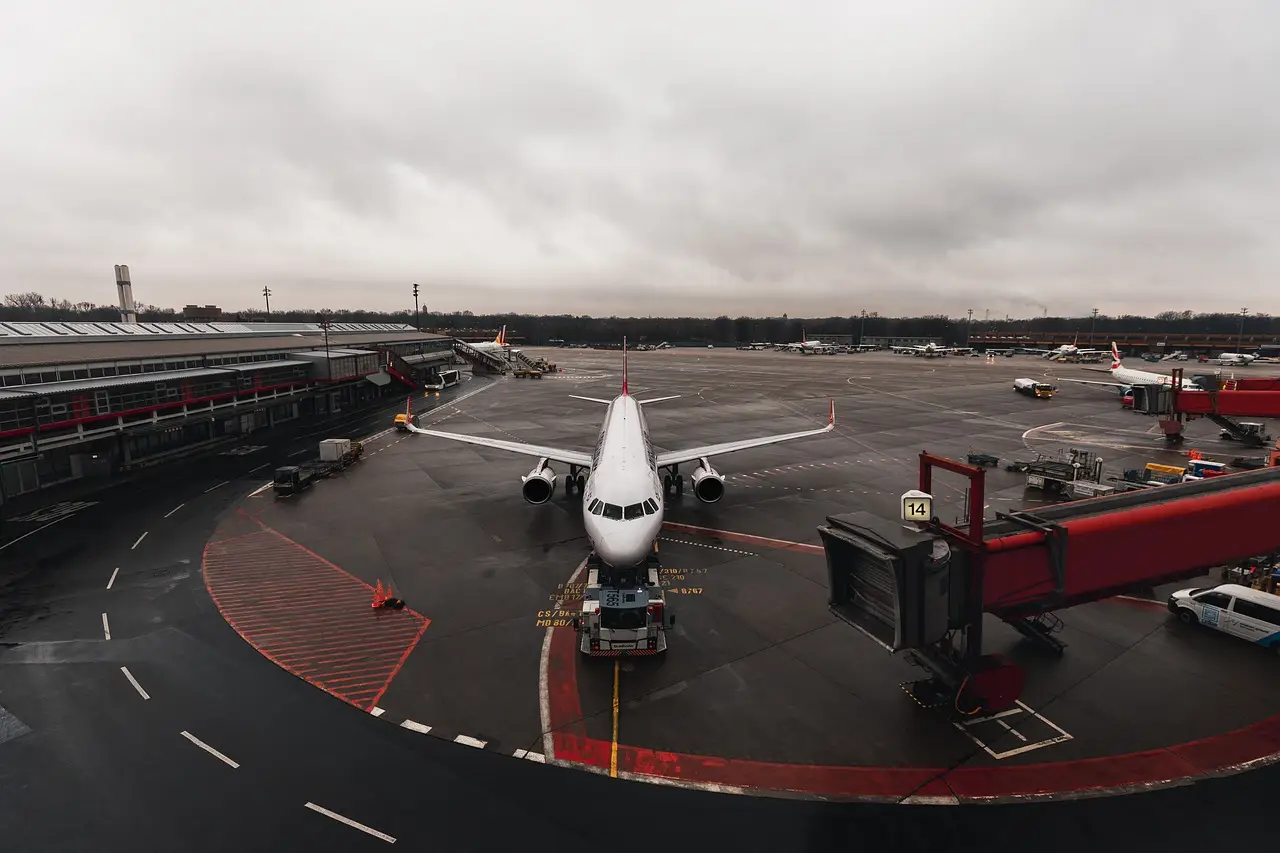
The Metropolitan Washington Airports Authority has awarded program management contracts worth up to $150 million over five years to Jacobs and TYLin, with extension options that could double the ceiling to $300 million across a decade. The agreements cover Washington Dulles International Airport and Ronald Reagan Washington National Airport, two facilities now carrying more than $20 billion in combined redevelopment ambitions at Dulles alone.
The two firms will supplement MWAA's internal staff as the authority runs multiple capital projects concurrently — a workload that would overwhelm its own engineering bench. Services may span planning, engineering oversight, environmental support, construction management and contract administration. In plain terms, MWAA is renting senior technical supervision by the year, at a rate of roughly $30 million annually before any extensions.
What does the Dulles program involve?
The centerpiece of the Dulles redevelopment is Package T, an expansion of the airport's underground transportation network. The package covers extensions of the AeroTrain automated people mover, pedestrian tunnels linking concourses, and underground baggage transportation infrastructure.
The practical consequence: the mobile lounges and plane mates that have defined the Dulles passenger experience since the 1960s are slated for retirement. For travelers who have ridden those lounges across the apron, this counts as overdue rather than disruptive.
Further Dulles plans include new domestic and international concourses, expanded passenger processing facilities, upgraded baggage handling systems and additional retail and dining space. High-speed moving walkways and autonomous passenger shuttles are also under exploration — the latter still in the study phase, not the procurement phase.
What is happening at Reagan National?
Reagan National faces a different task: MWAA intends to replace Terminal 1 outright and redevelop the airport's South Area. Terminal 1, the airport's original 1941 core, has long operated at the margins of modern passenger expectations. Replacement, not renovation, is the chosen route.
Both programs will demand coordination among airport management, airlines, engineering firms and construction contractors to keep operations running through phased construction. Anyone who has watched a terminal rebuild proceed while flights continue knows the sequencing matters as much as the design.
Do the firms bring relevant track record?
Jacobs does, at least locally. The company previously supported MWAA in developing the Metrorail Silver Line extension, which began serving Dulles in 2022. That project delivered rail service to the airport after decades of planning and several budget revisions — evidence that Jacobs and MWAA have worked through a large, delayed infrastructure program together before.
TYLin's scope under the new contracts was not itemized in the announcement. The combined structure suggests MWAA wants redundant supervisory capacity rather than a single point of dependence.
What happens next?
The contracts run five years, extendable to ten, which signals a construction horizon measured in decades rather than administrations. Whether the $300 million supervisory ceiling holds depends on how the Dulles concourses and Reagan National's Terminal 1 replacement progress — and on whether the autonomous shuttles leave the study phase at all.
via Aviation Pros (Source)
More from Grace Kim
Show full bio
News editor covering companies, deals and strategy in Commercial aviation industry coverage at Flightdeck Report.
692 articles
Same bay
- Dulles $22.5 Billion Rebuild Puts Airline Costs on Path to $90 · October 10, 2026
- Dulles Airport Puts 200 Acres on the Market for Data Centers · November 7, 2026
- United Opens 14-Gate Concourse E at Dulles, First New Pier in Two Decades · November 10, 2026
- HOK Wins Dulles Expansion Design Contract; Scope Undisclosed · October 15, 2026
- Dulles Grows Around a 'Temporary' Concourse Now 40 Years Old · October 9, 2026