Clearance CLR-1643 · AIR942
AIRNIG
AirportsClearance sheet
Nigeria's Kogi State Begins Work on International Airport at Zariagi
Nigeria's aviation minister Keyamo and Kogi Governor Ododo laid the foundation stone for Kogi International Airport at Zariagi on November 10, 2026, promising global connectivity.
Read-back
- Foundation stone for Kogi International Airport laid at Zariagi on November 10, 2026
- Minister Keyamo says IATA coding processes will put Zariagi on the global aviation map
- Project funding attributed to fuel subsidy removal and foreign exchange unification increasing state allocations
- Kogi holds iron ore, limestone, coal, kaolin and gypsum deposits plus cassava, rice, cashew and palm oil output
- No construction cost, timeline or capacity figures were disclosed
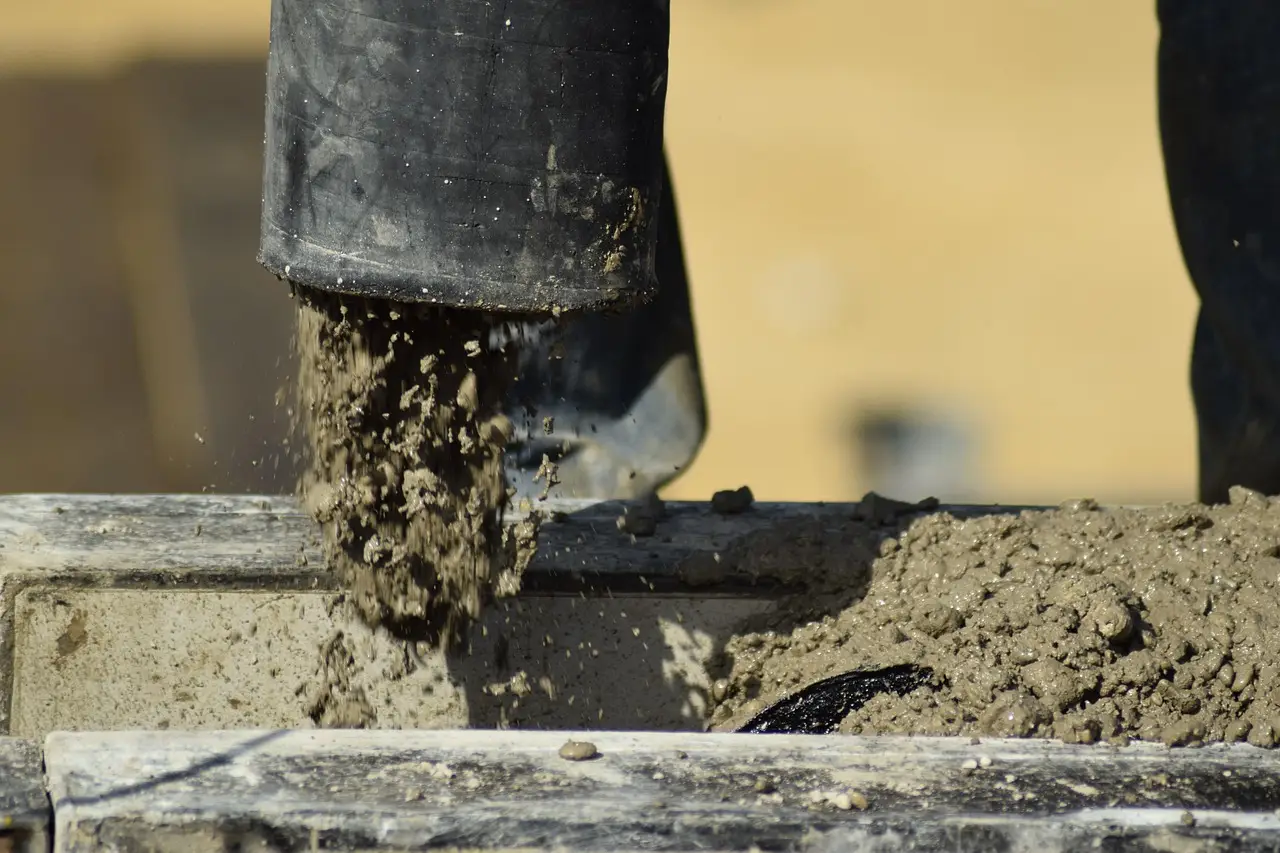
Nigeria has added another airport to its construction ledger. On Tuesday, November 10, 2026, Aviation and Aerospace Development Minister Festus Keyamo (SAN) and Kogi State Governor Ahmed Ododo laid the foundation stone for the Kogi International Airport at Zariagi, formally starting a project both men framed as transformative.
The ceremony, confirmed in a statement by Tunde Moshood, the Minister's Special Adviser on Media and Communications, drew members of the State Executive Council, traditional rulers, the immediate past Deputy Governor Edward David Onoja, and Michael Achimugu, Director of Public Affairs and Consumer Protection at the Nigerian Civil Aviation Authority (NCAA). The presence of the regulator's spokesman underlined the federal character of the occasion.
What did the Minister promise?
Keyamo did not understate the moment. "What is happening here today... will resonate many, many years, centuries after today, 500 years from today," he said, adding: "Today, as from today, this village called Zariagi will be on the Global Aviation Map."
His mechanism for that visibility is procedural rather than rhetorical. Every recognised airport worldwide carries a code under the global aviation coding system, and Keyamo said Zariagi would gain international recognition through the identification and coding processes of the International Air Transport Association (IATA). A code, of course, requires a certified, operating airport. No commissioning date, runway length, terminal capacity or construction cost appeared in the statement.
How will the project be paid for?
The Minister tied the state's fiscal capacity directly to federal policy. The removal of the fuel subsidy and the unification of the foreign exchange market, he argued, have increased allocations to subnational governments, giving states room to fund infrastructure such as this one.
"It takes two to tango," Keyamo said. "One, the positive policies of President Bola Ahmed Tinubu and the vision of the Governor. These are the two things that combined to make this thing possible today." He also cautioned that revenue alone does not guarantee development, pairing purposeful leadership with the policy windfall.
Why build an airport before the demand?
Addressing critics who question an international airport in Kogi State, Keyamo argued that sequencing matters: infrastructure must precede investment, not follow it.
"If you are waiting for the best international companies to be here, the best international hotels to be here before you put an airport, you wait for the next one million years, it will not come," he said. "It is the airport that attracts these developments. The airport is the precursor."
What cargo could the airport carry?
Governor Ododo described the airport as a strategic investment in Kogi's economic future. The state holds substantial solid mineral deposits — iron ore, limestone, coal, marble, dolomite, feldspar, kaolin, gypsum and talc — alongside agricultural output in cassava, rice, maize, cashew and palm oil.
The Governor said the airport would accelerate the movement of produce and minerals to local and international markets, attract investors, stimulate commerce and create jobs. The statement noted that cargo logistics and aviation-related services could follow, subject to the facilities and operational capacity eventually provided.
That caveat deserves weight. Nigeria already hosts multiple underutilised state-built airports, and the gap between a foundation stone and a coded, certified, revenue-earning facility is measured in years and naira. What exists today is a construction site at Zariagi and a political commitment; what is promised is an international gateway. The test will come when the first allocation meets the first invoice.
via channelstv.com (Source)
More from Grace Kim
Show full bio
News editor covering companies, deals and strategy in Commercial aviation industry coverage at Flightdeck Report.
583 articles
Same bay
- FDR255Nigeria Breaks Ground on Kogi International Cargo Airport · November 11, 2026
- FDR705Nigeria's Aviation Minister and Air Force Chief Align on Safety After Igbokoda Crash · October 10, 2026
- FDR298Nigeria’s Aviation Chiefs Enter APC’s 2027 Campaign Role · November 6, 2026
- FDR595Keyamo explains shutdown of Imo Airport · October 10, 2026
- FDR887Ondo Crash Pushes Nigeria Toward Civil-Military Aviation Coordination · October 10, 2026