Clearance CLR-5488 · AIR817
AIROHA
AirportsClearance sheet
O'Hare Tops US Airports for Longest Taxi-In Times at 20 Minutes
Planes landing at Chicago O'Hare averaged 20 minutes of taxi-in time through August — the longest of any major US airport, FAA data shows.
Read-back
- Planes landing at O'Hare averaged 20 minutes taxi-in from January through August, the longest of any major US airport per FAA data.
- Only JFK has a longer average taxi-out than O'Hare's 28-plus minutes; Midway averages just over 15 minutes taxi-out and under 5 taxi-in.
- An $8.8 billion terminal modernization will add 19 new gates by end of 2028, with more in 2030.
- FAA flight caps run nearly another year; O'Hare still saw 6% more summer flights than last year.
- 14% of arriving flights took 30 minutes or more to reach their gates through August.
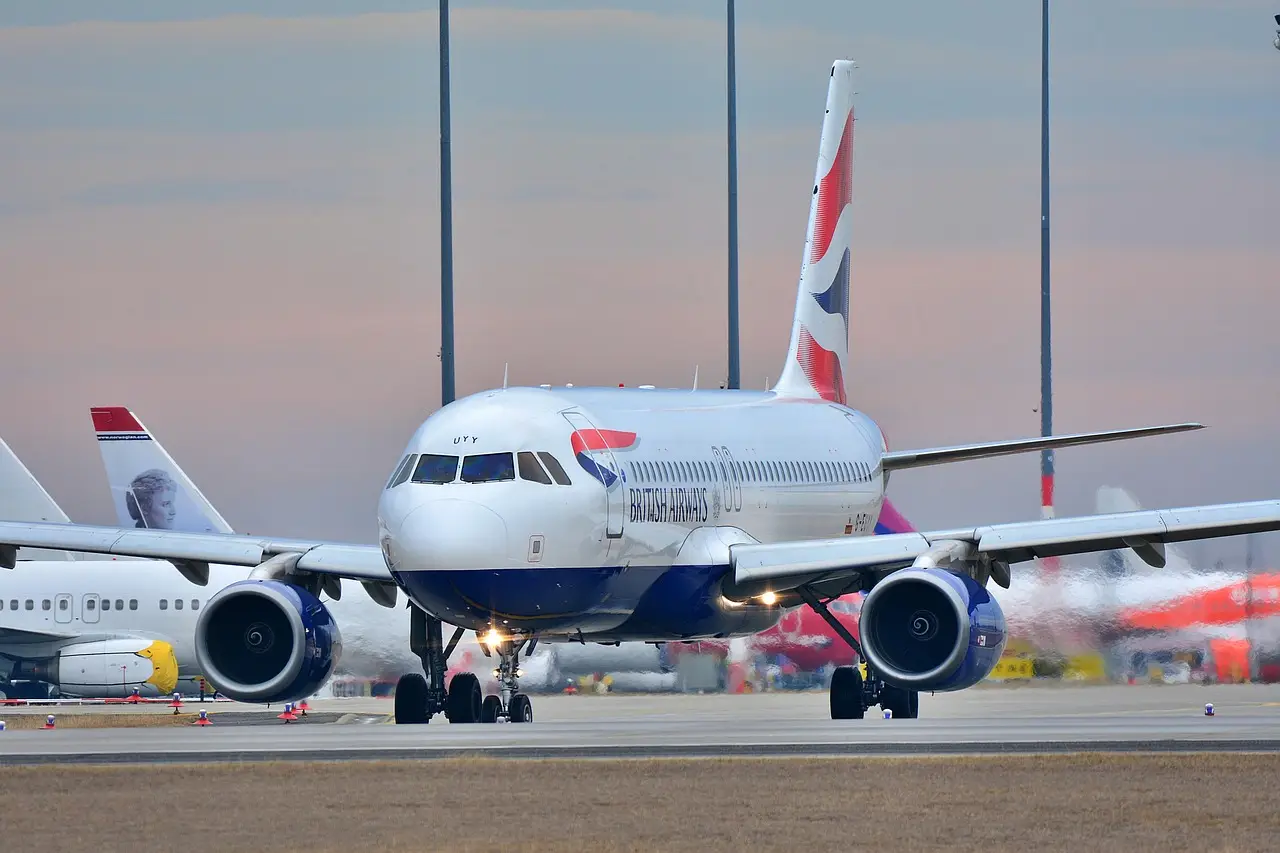
Planes landing at Chicago O'Hare averaged 20 minutes of taxi-in time from January through August, the longest figure of any major US airport in Federal Aviation Administration data. The next-worst, Charlotte Douglas International, averaged just under 14 minutes. O'Hare also posted taxi-out times (the period between pushback and takeoff) of more than 28 minutes on average — exceeded only by New York JFK, at just under 29 minutes.
The numbers come from the FAA's most recent reporting window and mark a deterioration from last year: average taxi-in times grew by about two minutes and taxi-out times by almost four minutes over the same period. Through August, 14% of arriving flights needed half an hour or more to reach their gates.
For comparison, Chicago's other airport operates at the opposite end of the scale. At Midway International, planes average just over 15 minutes from pushback to takeoff and just under five minutes from touchdown to gate — among the shortest figures at large US airports.
What does this change for passengers and airlines?
Airlines build expected taxi durations into their schedules, so long taxi segments do not automatically translate into delays or missed connections. The experience is another matter. "To the customer, it feels like, 'I landed, and I had to taxi forever,'" said Omar Idris, United Airlines' vice president of O'Hare. Brett Snyder of the industry website Cranky Flier put it more bluntly: "You're sitting there in a tube waiting to go somewhere."
Dennis Tajer, an O'Hare-based American Airlines pilot and spokesperson for the pilots' union, offered a household analogy. "It's kind of like driving up into your garage, or driving up into your driveway at home, and then they don't let you out of the car," he said.
Why O'Hare's taxi times are the longest
Three structural factors drive the figures: construction, the distance between O'Hare's runways and its terminals, and sheer traffic volume. O'Hare was the world's busiest airfield last year, according to Airports Council International World, and it keeps getting busier. United and American are locked in an arms race to add flights, because gate space at the airport is allocated according to how much an airline flew the previous year.
The FAA intervened earlier this year with limits on daily flights, a measure it said was intended to prevent widespread delays. Even so, the city reports O'Hare handled 6% more flights during the summer season than the previous summer, with more than 25 million passengers passing through between June and August. The flight caps are scheduled to remain in effect for nearly another year. Julie Rath, American's senior vice president of global airports and business partners, said taxi times would "absolutely" be longer without the FAA's intervention.
Construction is the second pressure point. O'Hare is midway through an $8.8 billion terminal modernization program. Kevin Bargnes, a spokesperson for the Chicago Department of Aviation, said the project will add 19 new gates by the end of 2028, with more following in 2030 and beyond, and will ultimately "ease gate-related congestion." He acknowledged that some aircraft currently taxi around the site of the future Concourse D, though that added time is "limited."
The city says all taxiway and runway construction with the potential to significantly affect taxi times is now complete. Every taxiway and runway typically used by passenger aircraft has been open since mid-August. The Aviation Department also cites airline schedules, air traffic control staffing, gate availability, weather, and the distance between runways in use and assigned gates as contributing factors.
Airlines' own mitigation efforts
American has tested operational fixes at O'Hare. A pilots' newsletter reviewed by the Tribune described using the international terminal for domestic arrivals in the evenings and prioritizing arrivals over departures during congested periods. Those measures, the airline said, contributed to a more-than-50% decrease in extra-long taxi-ins — those exceeding 40 minutes — in the first weeks of October.
United, working with the city, added new pavement near the E and F gates this spring to reduce congestion, followed by a second phase creating a new taxiway connector. The carrier says O'Hare is now seeing its lowest taxi-out average in more than a year, with United's taxi-in times trending at their lowest since March.
The structural picture changes only with construction: until the new gates arrive in phases from late 2028, O'Hare's airlines will keep managing the gap between the world's busiest airfield and a terminal complex still under rebuild.
via chicagotribune.com (Original)
More from Sophie Lindqvist
Show full bio
Senior reporter covering people, launches and day-to-day practice in Commercial aviation industry coverage at Flightdeck Report.
673 articles
Same bay
- FDR885United CEO Pressures FAA Over O'Hare Controller Staffing, 28-Minute Taxi Times · November 12, 2026
- FDR730Chicago's Aviation Commissioner Maps Out O'Hare Expansion Agenda · September 30, 2026
- FDR926FAA Cap Forces United to Delay 10 of 14 New O'Hare Routes · October 2, 2026
- FDR953Air Traffic Control Disruptions Add to Delayed Flights at Boston Logan · September 30, 2026
- FDR639United Targets 1,000 Daily Flights at O'Hare, Kirby Says · September 30, 2026