Clearance CLR-1797 · SAF304
SAFPAK
Safety & OperationsClearance sheet
Pakistan Airlines Pilot Body Signs Two Safety Agreements
Pakistan's pilots' association has signed two agreements covering aviation safety and air-ground communication, with counterparties and terms still undisclosed.
Read-back
- The Pakistan Airline Pilots' Association (PAA) signed two agreements covering aviation safety and air-ground communication.
- The signing was reported by ProPakistani; counterparties, dates and financial terms were not disclosed.
- PAA represents Pakistani airline pilots including those at PIA, which remains under an EU flight ban in force since 2020.
- The agreements follow years of oversight reform at the Pakistan Civil Aviation Authority after the 2020 PK-8303 crash.
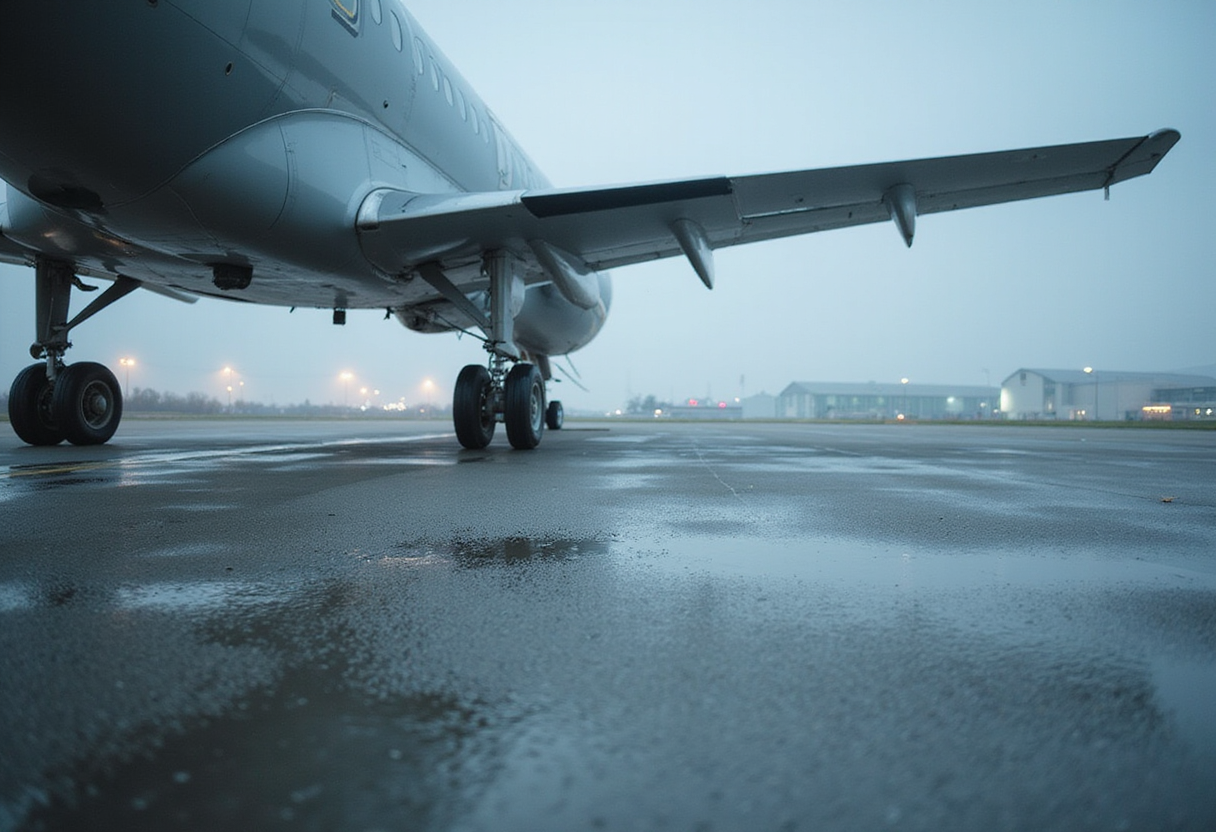
The Pakistan Airline Pilots' Association (PAA) has signed two agreements aimed at strengthening aviation safety and improving air-ground communication, according to a report by ProPakistani.
The signing covers two separate instruments: one directed at aviation safety and a second at communication between flight crews and ground operations. ProPakistani did not publish the counterparties' names, the signing date or the financial terms, so the operational reach of each agreement remains unverified beyond the announcement itself.
Why does air-ground communication matter in Pakistan?
Communication between cockpit and ground is a baseline safety function, not a technical upgrade. In Pakistan's context it carries regulatory weight. The Pakistan Civil Aviation Authority (PCAA) has spent the years since the 2020 crash of Pakistan International Airlines flight PK-8303 trying to rebuild confidence in its oversight, after the inquiry found pilots' licensing irregularities and a chain of errors that began with a mis-handled go-around and collapsed into a communication breakdown with Karachi approach control.
Against that backdrop, a pilots' association choosing to formalize communication protocols reads as an attempt to fix a known weak point from the professional side, rather than waiting for the regulator to impose one.
Who is PAA and what can it actually enforce?
PAA represents the country's airline pilots, including those at flag carrier Pakistan International Airlines (PIA), which continues to operate under restrictions — most notably the European Union ban on PIA flights to EU airports that has remained in force since 2020.
A professional body can set standards, run training and press members to adopt procedures. It cannot certify equipment, mandate fleet changes or alter air traffic control infrastructure. Those levers sit with the PCAA and, for communication hardware, with the airlines and their suppliers.
That distinction matters for how much the two agreements can deliver. If they commit signatories to training, reporting culture or standard phraseology, the effect shows up gradually in incident statistics. If they promise hardware or infrastructure improvements, the money and the timelines will decide the outcome — and neither has been disclosed.
What is certified versus what is promised?
Here the record is thin. The announcement confirms signed documents and their two subject areas: aviation safety, and air-ground communication. No dispatch-reliability figures, no implementation dates, no budget lines and no named regulator or OEM partners appear in the source material.
For an industry audience, the verification test is straightforward: does the agreement produce measurable change — fewer communication-related incident reports, faster closure of safety findings, published implementation milestones — within a defined window? Until PAA or its counterparties publish those markers, the signings sit in the "promised" column.
What comes next?
Watch for two things: the identity of the counterparties, which will indicate whether this is a domestic training exercise or an international partnership with equipment or consultancy attached; and any PCAA endorsement, which would signal the regulator is aligning its own oversight reforms with the pilots' initiative. ProPakistani's report suggests both agreements are already executed, so disclosure of their terms is the next logical step — and the one that will tell readers whether this is paperwork or a working safety intervention.
via Google News: Aviation safety (Source)
More from Nathan Brooks
Show full bio
Correspondent covering technology and product news in Commercial aviation industry coverage at Flightdeck Report.
455 articles
Same bay
- FDR358UK Team Reviews PIA Safety Systems · September 30, 2026
- FDR798Pakistan Summons Afghan Envoy Over Airspace Violation Claim · September 28, 2026
- FDR795Philippines' CAAP Signs MOU To Deepen Safety, Security Coordination · October 10, 2026
- FDR549V George calls for stronger cockpit security, pilot re-verification · October 9, 2026
- FDR817Nepal to Split Aviation Regulator in Air Safety Overhaul · October 10, 2026