Clearance CLR-8328 · SAF549
SAFVGE
Safety & OperationsClearance sheet
V George calls for stronger cockpit security, pilot re-verification
Aviation expert V George has called for stronger cockpit security and mandatory pilot re-verification, a demand The New Indian Express framed as a 'must', highlighting concerns about current safeguards in Indian commercial aviation.
Read-back
- V George has called for stronger cockpit security and pilot re-verification
- The New Indian Express framed the demand as a 'must', signaling urgency
- India's DGCA, under the Ministry of Civil Aviation, holds primary responsibility for pilot certification and medical standards
- ICAO Annex 17 governs aviation security standards applied to Indian operators and airports
- Indian commercial aviation has expanded significantly over the past decade, adding pressure on pilot supply and oversight capacity
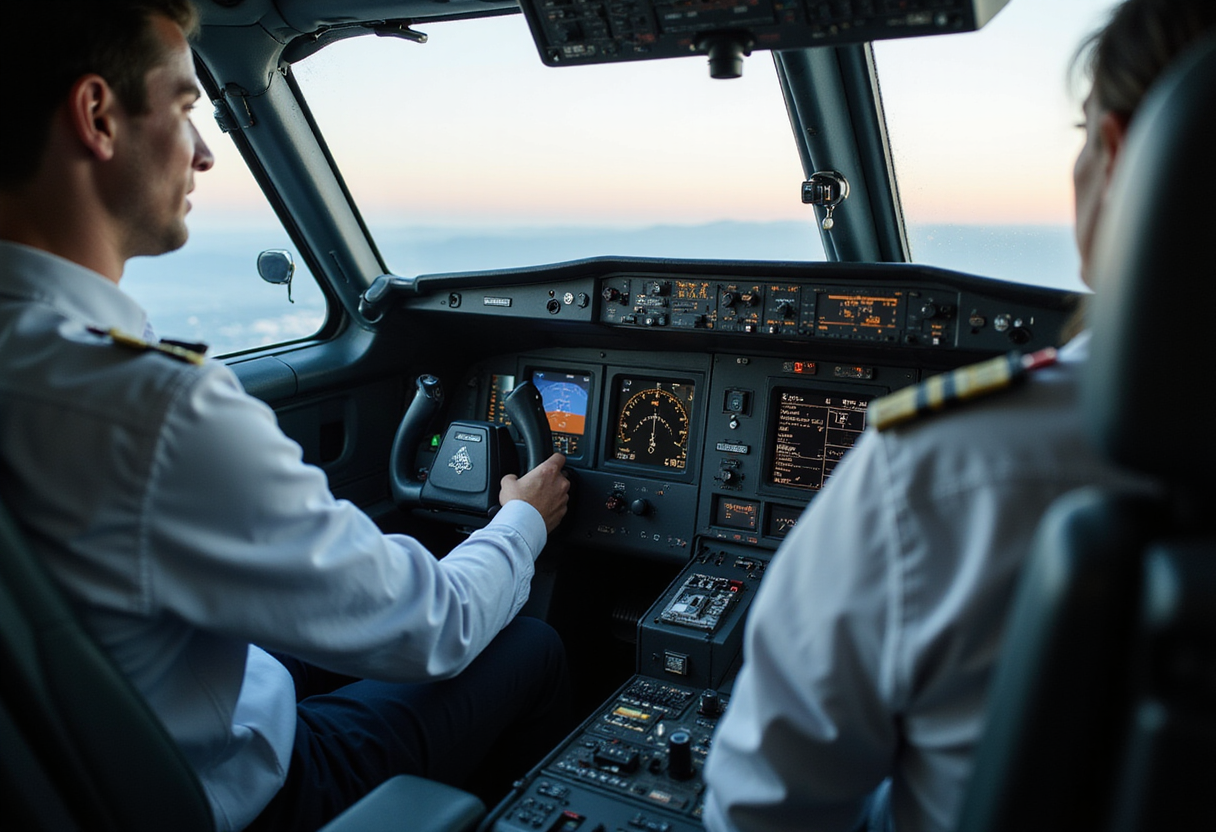
V George has called for stronger cockpit security measures and mandatory pilot re-verification, a demand The New Indian Express framed as a "must" in its coverage of the aviation expert's remarks.
The headline statement signals that the expert views current safeguards as insufficient. The call combines two related but distinct safety priorities: hardening the flight deck against intrusion, and reassessing the credentials and fitness of pilots flying commercial aircraft.
What does cockpit security typically involve?
Cockpit security in commercial aviation centers on preventing unauthorized access to the flight deck during flight. Industry practice, codified by the International Civil Aviation Organization (ICAO) following the September 11, 2001 attacks, requires reinforced cockpit doors on most passenger aircraft. The standards tightened progressively through the 2000s as regulators learned from attempted breaches.
Beyond physical barriers, cockpit security programs include access control protocols, surveillance systems, and crew policies governing flight-deck entry. The Federal Aviation Administration and the European Union Aviation Safety Agency maintain certification standards for these systems. India's Directorate General of Civil Aviation (DGCA) aligns national requirements with ICAO Annex 17, which covers aviation security and applies to airports, aircraft operators, and air navigation service providers.
What does pilot re-verification mean?
Pilot re-verification refers to the periodic revalidation of a pilot's license, medical fitness, and sometimes background status. In India, commercial pilot licenses issued by the DGCA require renewal at intervals, with medical examinations conducted by DGCA-approved examiners. Type ratings for specific aircraft must also be revalidated, typically through simulator sessions and flight checks.
Re-verification can extend to criminal background checks, particularly in jurisdictions where post-employment conduct might affect a pilot's clearance to operate. The scope and frequency of re-verification vary by country and operator, and recurrent calls for tighter processes often follow specific incidents or systemic reviews. Airlines typically run their own internal vetting beyond regulator-driven checks.
Why are such calls surfacing now?
The New Indian Express did not include extensive detail in the headline, leaving the specific trigger for V George's call unclear. The publication's framing of the demand as a "must" suggests the expert views the issue as urgent rather than advisory.
Indian commercial aviation has expanded significantly over the past decade, with carriers adding capacity to serve a growing domestic market. That growth places pressure on pilot supply, training pipelines, and oversight capacity. Stakeholders including pilot unions, airlines, and regulators periodically clash over the rigor of qualification checks, training standards, and duty-time limits.
What regulatory framework governs Indian pilots?
The DGCA, under the Ministry of Civil Aviation, holds primary responsibility for pilot certification and medical standards in India. The Aircraft Rules, 1937, and subsequent civil aviation requirements define the legal framework. The Aircraft Act of 1934 underpins regulatory authority across the sector.
Indian carriers operate under these rules while also subject to international standards when flying abroad. Aircraft registered in India must meet ICAO standards, and pilots must hold type ratings for each aircraft variant they operate. Foreign operators seeking to fly into Indian territory must hold equivalent approvals recognized by the DGCA.
What could change if regulators act?
If regulators adopt stronger cockpit security standards, aircraft operators could face retrofit or certification costs. The financial impact would vary by fleet age and equipment baseline. Older aircraft may require more extensive modifications, while newer deliveries often come with compliant systems already fitted.
A mandatory pilot re-verification regime would increase administrative load on the DGCA and could require additional medical examiners, particularly if the scope expands beyond current license renewal. Carriers could face scheduling disruption if large numbers of pilots must complete verification processes within compressed timeframes.
What remains unclear
The New Indian Express headline does not specify which aircraft, airline, or incident prompted V George's call. Without additional reporting on the expert's full remarks, the regulatory targets of the demand remain undefined. The publication's decision to frame the call as essential suggests a wider safety concern, but the operational details have not been disclosed in the available headline. Whether the demand reaches the DGCA, the Ministry of Civil Aviation, or individual carriers will determine the speed and shape of any response.
via Google News: Aviation safety (Source)
More from Grace Kim
Show full bio
News editor covering consumer brands and retail at Flightdeck Report.
298 articles
Same bay
- FDR518Flydubai cockpit attack renews focus on aviation's backup plan · October 10, 2026
- FDR753Flydubai Incident Puts Cockpit Door Security Back Under Scrutiny · September 30, 2026
- FDR412In-Flight Attack on FlyDubai Pilot Puts Cabin Security Under Scrutiny · October 2, 2026
- FDR462In-Flight Attack on FlyDubai Pilot Renews Security Scrutiny · October 2, 2026
- FDR799Single-Pilot Heroics Prompt Cockpit Safety Reassessment · October 2, 2026