Clearance CLR-5663 · SAF518
SAFFLY
Safety & OperationsClearance sheet
Flydubai cockpit attack renews focus on aviation's backup plan
A reported cockpit attack on a Flydubai aircraft has put flight-deck security redundancy back in industry focus, with the UAE regulator and operators of similar Boeing 737 networks watching for procedural and training lessons.
Read-back
- A reported cockpit attack on a Flydubai aircraft has renewed industry focus on flight-deck redundancy and backup procedures.
- Flydubai operates a single-fleet Boeing 737 narrowbody network across the Middle East, Africa, the Indian subcontinent and parts of Europe.
- ICAO Annex 17 and the IATA IOSA framework require carriers to maintain a layered flight-deck security response, not a single fail-safe.
- The FAA's 14 CFR Part 25 and EASA CS-25 govern flight-deck door strength, locking reliability and fail-safe operation under depressurization or electrical failure.
- The UAE General Civil Aviation Authority (GCAA), Flydubai's regulator, is expected to complete the post-incident review and publish its findings.
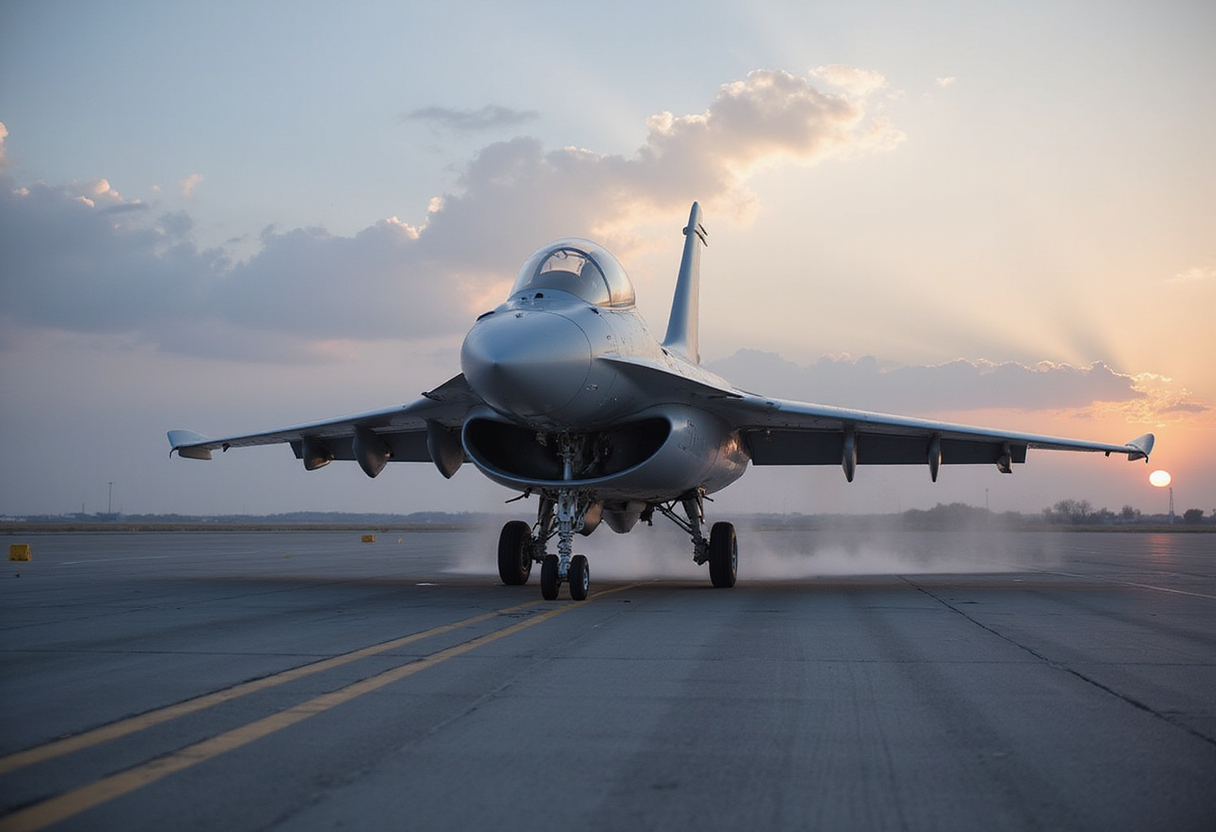
A Flydubai aircraft was the subject of a cockpit attack, an incident refocusing industry attention on the redundancy and security protocols designed to protect the flight deck when a primary barrier is breached. The episode underscores a question airlines, regulators and aircraft manufacturers have wrestled with for decades: what is the backup plan when the standard chain of cockpit protection fails?
Cockpit security sits at the core of commercial aviation's safety architecture. The hardened flight-deck door, mandated on passenger aircraft since the post-9/11 reforms, is the first line of defence.
Behind it lie reinforced locks, the flight-crew access code system, and the cabin-to-cockpit communication procedures that allow flight attendants to relay threats. The design makes intrusion physically and procedurally difficult.
The reported Flydubai episode sits within a small but persistent category of events: unauthorized cockpit access, crew interference and inflight assaults that test those defences.
Aviation regulators, including the European Union Aviation Safety Agency (EASA) and the U.S. Federal Aviation Administration (FAA), require airlines to train crews in "unlawful interference" scenarios, including coordinated attempts to breach the flight deck. Recurrent training cycles, typically annual, cover crew resource management, sterile-cockpit discipline and diversion decision-making.
A robust backup plan extends beyond the door. Industry guidance under ICAO Annex 17 on Aviation Security and the IATA Operational Safety Audit (IOSA) framework requires carriers to maintain a layered response:
- A primary physical barrier (the hardened flight-deck door)
- Secondary procedural controls (codes, access lists, sterile-cockpit rules)
- Cabin-crew alerting protocols linking the cabin to the flight deck
- The aircraft commander and first officer's authority to execute an emergency diversion
Designers treat no single safeguard as fail-safe.
Flydubai operates a single-fleet Boeing 737 narrowbody network, a configuration that simplifies crew qualification and recurrent training but concentrates the carrier's exposure to a single type's specific cockpit architecture.
The airline's point-to-point network across the Middle East, Africa, the Indian subcontinent and parts of Europe produces high-frequency, short-sector operations that compress response times and raise the operational stakes of any flight-deck event.
Backup planning also carries a cost dimension. Hardened flight-deck doors, introduced in the early 2000s, added weight and required new locking mechanisms, depressurization tests and crew procedures.
Subsequent enhancements, including secondary barriers on certain widebodies and improved electronic access codes, carry recurring maintenance and certification costs that operators absorb across fleet cycles. Insurance and liability frameworks for unlawful-interference events also shape the calculus for carriers serving higher-risk routes.
What does the backup plan look like in practice?
The training and regulatory regime is only as effective as the response it produces in the moments after an incident begins. Industry experience with cockpit intrusions has produced a standardized sequence of crew actions:
- Secure the flight-deck door
- Declare an emergency
- Divert to the nearest suitable airport
- Coordinate with air traffic control for priority handling
Each step assumes the chain of communication between cabin and flight deck remains intact.
Engineers build secondary defences into the door itself. Most modern flight-deck doors can withstand ballistic impact and forced entry for a defined period, typically several minutes.
That window gives the flight crew time to execute an emergency descent, declare an emergency and initiate diversion. The FAA's 14 CFR Part 25 and corresponding EASA CS-25 specifications govern door strength, locking mechanism reliability and fail-safe operation in the event of depressurization or electrical failure.
Who reviews the incident next?
Whether Flydubai's procedures performed as designed, and what lessons emerge for the wider operator community, will become clearer once the United Arab Emirates General Civil Aviation Authority (GCAA) completes its review and publishes findings. Operators of similar narrowbody fleets, particularly those serving high-density regional networks, will monitor the conclusions closely for any procedural or training implications.
The Flydubai episode serves as a reminder that the backup plan, in operational terms, is the answer to a question the industry hopes no flight ever has to answer in practice. The incident's after-action findings, once released, will determine whether the existing redundancy framework held — or whether the industry needs to revisit the assumptions underpinning its flight-deck security architecture.
via Google News: Aviation safety (Source)
More from Sophie Lindqvist
Show full bio
Senior reporter covering industry trends and analytics at Flightdeck Report.
376 articles
Same bay
- FDR753Flydubai Incident Puts Cockpit Door Security Back Under Scrutiny · September 30, 2026
- FDR462In-Flight Attack on FlyDubai Pilot Renews Security Scrutiny · October 2, 2026
- FDR802FlyDubai Cockpit Attack Prompts New Scrutiny of Flight Deck Security · October 2, 2026
- FDR649Airline chiefs concede no full defence exists against rogue pilots · October 8, 2026
- FDR412In-Flight Attack on FlyDubai Pilot Puts Cabin Security Under Scrutiny · October 2, 2026