Clearance CLR-3211 · SAF802
SAFFLY
Safety & OperationsClearance sheet
FlyDubai Cockpit Attack Prompts New Scrutiny of Flight Deck Security
An in-flight attack on a FlyDubai pilot has renewed scrutiny of cockpit access rules, crew screening and the security architecture protecting flight decks in commercial aviation.
Read-back
- A FlyDubai pilot was attacked during a flight, prompting fresh scrutiny of aviation security measures
- The incident raises questions about cockpit access protocols and screening of persons authorized to enter the flight deck
- Findings from the event are expected to feed reviews of crew vetting and flight deck procedures at the carrier
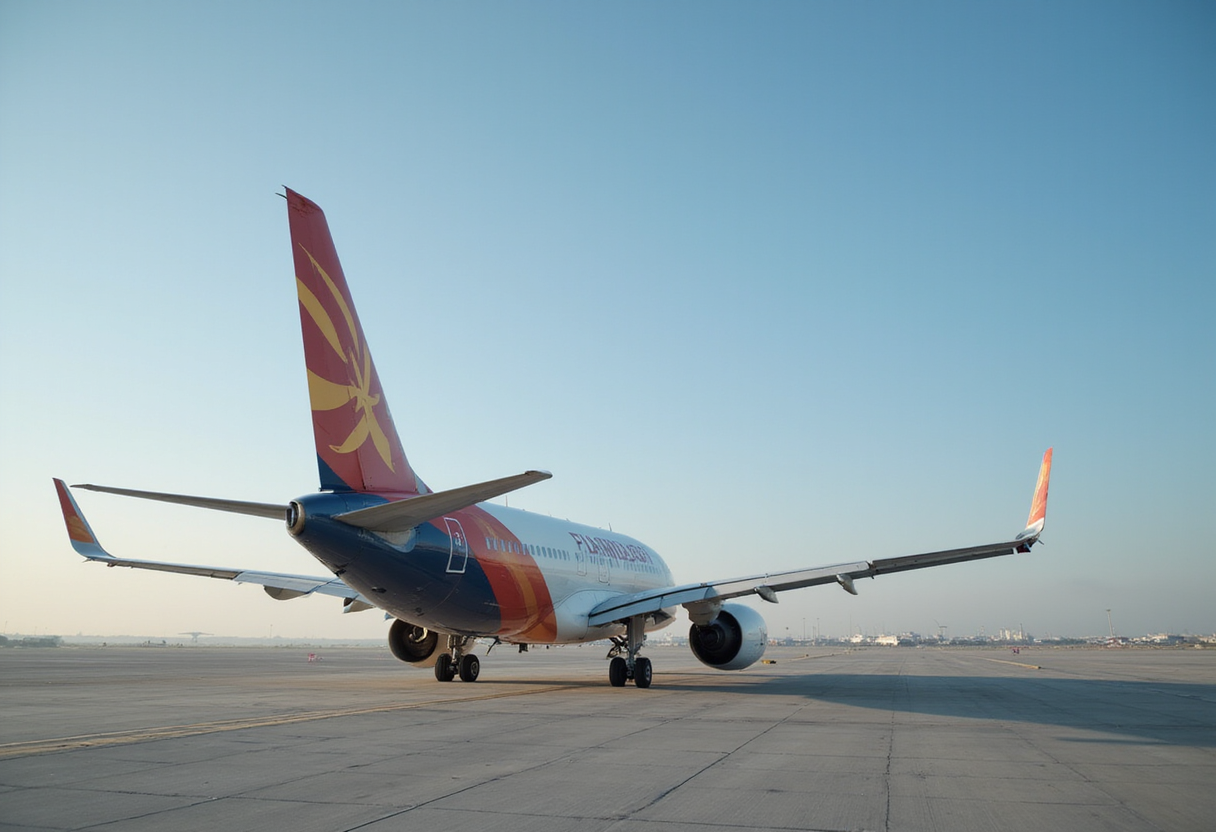
An in-flight attack on a FlyDubai pilot has put aviation security measures back under scrutiny, raising questions about how effectively flight deck protections function once an aircraft is airborne and how airlines screen the people entrusted with access to the cockpit.
Details of the incident remain limited, but the core fact is stark: a pilot operating a FlyDubai flight was attacked in the air. That alone is enough to reopen a debate the industry has never fully closed — whether post-9/11 cockpit door architecture and crew-access procedures deliver the protection they were designed to provide.
The stakes for operators are concrete. FlyDubai, the Dubai-based low-cost carrier, operates an all-Boeing 737 fleet and runs high-utilization, short- and medium-haul rotations across the Middle East, Africa, Asia and Eastern Europe. Any incident that interrupts crew operations in flight carries direct consequences for dispatch reliability, diversion costs, crew availability and schedule integrity across the network. A single cockpit security event can cascade: a diversion burns fuel, strands an aircraft out of position, and triggers duty-time limits that ripple through the next day's rotations.
The regulatory dimension is equally material. Cockpit doors on commercial aircraft must meet hardened requirements introduced after 2001, and operators must maintain procedures governing who may enter the flight deck and under what conditions. Those rules cover not only passengers granted access under airline policies but also jump seat riders, crew members and, in some jurisdictions, authorized staff. Every exception to the sealed-cockpit principle is a potential vulnerability, and each incident of this kind forces regulators and airline security departments to re-examine where the exceptions lie.
For a carrier like FlyDubai, operating under oversight from the UAE's General Civil Aviation Authority, the incident will feed into internal safety reporting and, depending on the findings, potentially into a broader review of crew screening, cockpit access discipline and in-flight restraint protocols. Airlines typically treat such events through their safety management systems, with root-cause analysis feeding revised procedures rather than public disclosure of every change made.
The industry context matters here. Cockpit intrusion events are rare relative to the volume of daily operations — global commercial aviation conducts tens of thousands of flights per day — but their rarity is precisely why each one carries outsized analytical weight. Security architectures are validated by the absence of events; a single successful attack on a pilot in flight is a data point that the architecture, or its human implementation, failed somewhere.
That distinction between hardware and human factors is central. Hardened doors, locking logic and entry protocols are certified and installed across the global fleet. What certification cannot fully control is behavior inside the security perimeter: the authorized person who becomes a threat. Incidents involving crew or authorized occupants require a different analytical frame than passenger-attempted breaches, because the standard mitigations — doors, codes, procedures — assume the threat originates outside the trusted group.
The cost implications extend beyond the operating airline. A verified in-flight attack on crew prompts insurance reviews, potential retraining mandates, revised security briefings and, in some cases, route-specific risk assessments. Lessors and insurers price cockpit security events into risk models, and repeated incidents in a region can influence premium calculations for all operators based there.
FlyDubai has not, in the reporting available so far, detailed the injuries, the identity of the attacker or the phase of flight beyond confirming the in-flight nature of the assault. What is established is the event itself and the scrutiny it has triggered over aviation security measures. The gap between those established facts and the fuller picture — motive, access method, failure point — is where investigators and the airline's security organization will now concentrate.
The episode also lands at a moment when pilot welfare and cockpit crew management are under wider industry attention. Airlines competing for flight crew in a tight labor market face pressure to maintain both rigorous vetting and workable working conditions; security procedures that depend on human compliance are only as strong as the crew culture enforcing them.
For now, the incident stands as a reminder that flight deck security is not a solved problem but an actively managed one. Expect FlyDubai and its regulators to review cockpit access procedures and crew screening in the coming weeks, with any findings likely to inform how the carrier — and possibly the wider UAE regulatory framework — tightens the rules governing who sits behind the locked door.
via Google News: Aviation safety (Source)
More from Grace Kim
Show full bio
News editor covering consumer brands and retail at Flightdeck Report.
154 articles
Same bay
- FDR753Flydubai Incident Puts Cockpit Door Security Back Under Scrutiny · September 30, 2026
- FDR412In-Flight Attack on FlyDubai Pilot Puts Cabin Security Under Scrutiny · October 2, 2026
- FDR223Flydubai Jet Survives 16,000-Foot Uncontrolled Descent · October 1, 2026
- FDR614Emirates, Etihad and Flydubai hit by delays as tensions persist · September 28, 2026
- FDR396flydubai Diversion Puts Cockpit Violence Under UAE Legal Lens · September 30, 2026