Clearance CLR-1756 · SAF253
SAFNTS
Safety & OperationsClearance sheet
NTSB: Late touchdown preceded fatal Amazon Air crash
NTSB investigators say the pilot of a fatal Amazon Air cargo crash touched down too late on the runway, leaving insufficient distance to stop the aircraft.
Read-back
- NTSB found the Amazon Air pilot touched down too late before the deadly crash
- The late touchdown left insufficient runway distance to stop the aircraft
- The pilot died in the accident; the investigation remains ongoing
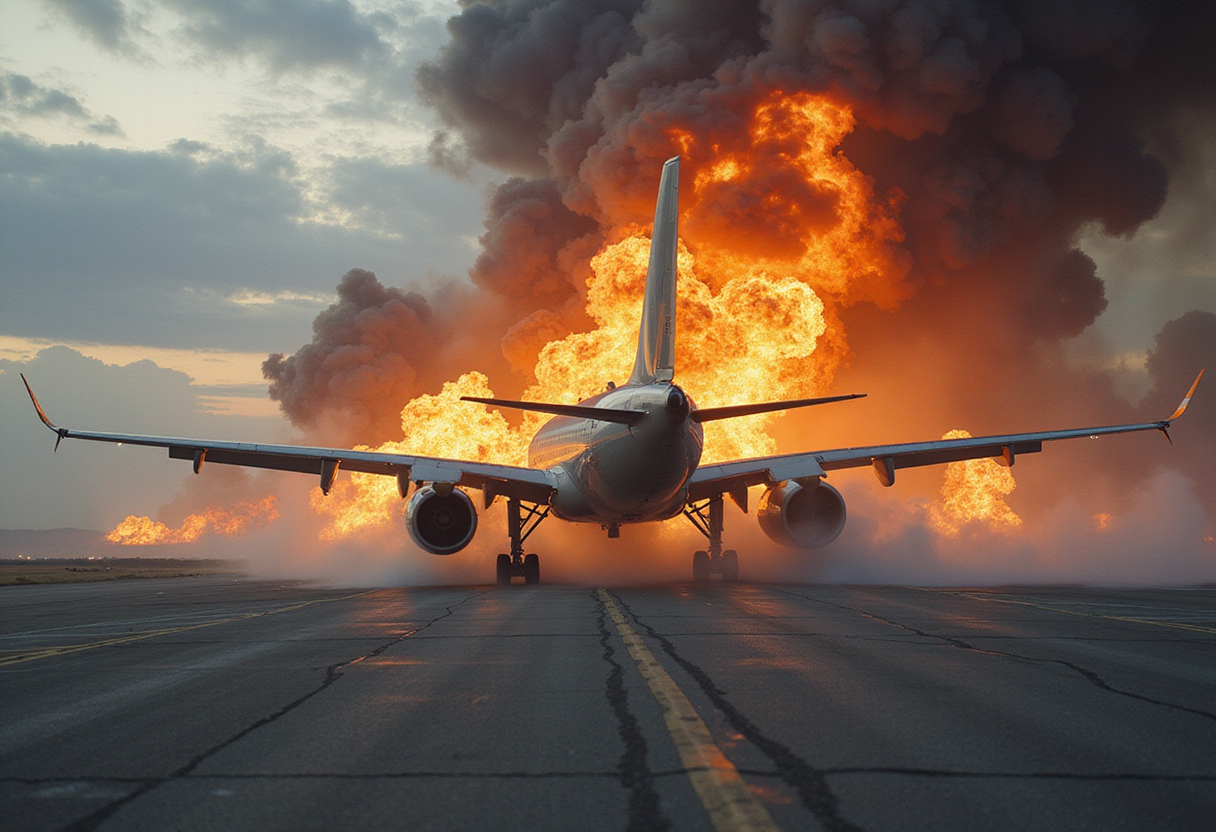
The National Transportation Safety Board has determined that the pilot of an Amazon Air cargo flight touched down too late on the runway before a deadly crash, according to findings released by the agency.
The accident involved an aircraft operating under Amazon Air's cargo network, the freight brand through which Amazon coordinates airlift capacity from contracted carriers. The NTSB's finding centers on the touchdown point: the pilot landed farther down the runway than intended, leaving insufficient pavement remaining to stop the aircraft safely.
A late touchdown compresses the margins available to a flight crew. Runway distance consumed during the flare and rollout cannot be recovered, and braking performance, runway condition and aircraft weight all determine whether the remaining length suffices. In this case, the NTSB concluded, it did not.
The pilot did not survive the crash. The investigation examined the sequence from approach through touchdown and identified the late landing as a critical factor in the accident sequence.
Amazon Air does not operate aircraft with its own air operator certificate. Instead, Amazon contracts capacity from third-party carriers that fly under their own certificates and operational control. This structure places day-to-day flight operations, crew training and dispatch under the contracted operator, while Amazon manages network capacity, package volume and hub scheduling across its logistics system.
For Amazon, the freight operation is a core component of its delivery infrastructure. The network links the company's regional air hubs and moves inventory positioned for rapid last-mile fulfillment. Any accident involving an aircraft flying Amazon-branned freight draws regulatory attention to the carriers Amazon selects and the oversight regime governing those relationships.
The NTSB continues to investigate, and the agency's findings will inform any safety recommendations that follow. Late-touchdown landings have long been a focus of runway-overrun prevention efforts, with stabilized-approach criteria designed to trigger a go-around when a landing is not assured within the touchdown zone.
The board's final report and recommendations will determine whether changes to procedures, training or operational standards follow for the carrier involved and, potentially, for the wider contracted-cargo sector that supplies Amazon's air network.
via Google News: Air cargo (Source)
More from Nathan Brooks
Show full bio
Correspondent covering media and advertising at Flightdeck Report.
172 articles
Same bay
- FDR999Amazon Suspends Operations of 21 Air After Miami Runway Excursion · September 30, 2026
- FDR588New Report Details Amazon Cargo Crash That Killed Three · October 2, 2026
- FDR666NTSB: Amazon Air Jet Flew Past Nearly Half of Miami Runway Before Fatal Landing · October 2, 2026
- FDR962Victims Identified in Fatal Amazon Prime Air Cargo Crash · September 27, 2026
- FDR721Amazon Grounds a Cargo Carrier After Fatal Crash · September 28, 2026