Clearance CLR-3666 · SAF415
SAFNTS
Safety & OperationsClearance sheet
NTSB: Amazon Air jet crossed half of Miami runway in fatal landing
The NTSB says an Amazon Air cargo plane flew past nearly half the Miami runway before a deadly landing, with investigators now examining touchdown distance, braking inputs, and crew procedures.
Read-back
- Amazon Air cargo aircraft flew past nearly half the length of a Miami runway before a fatal landing, the NTSB said
- The accident proved deadly, though the agency has not yet released casualty figures, aircraft type, or operating carrier
- Amazon Air contracts freighter capacity from third-party operators including ATSG and Atlas Air under FAA Part 121 oversight
- The FAA has mandated Runway Overrun Risk Awareness training for Part 121 crews since 2015
- NTSB probable-cause determinations on major accidents typically take 12 to 24 months to complete
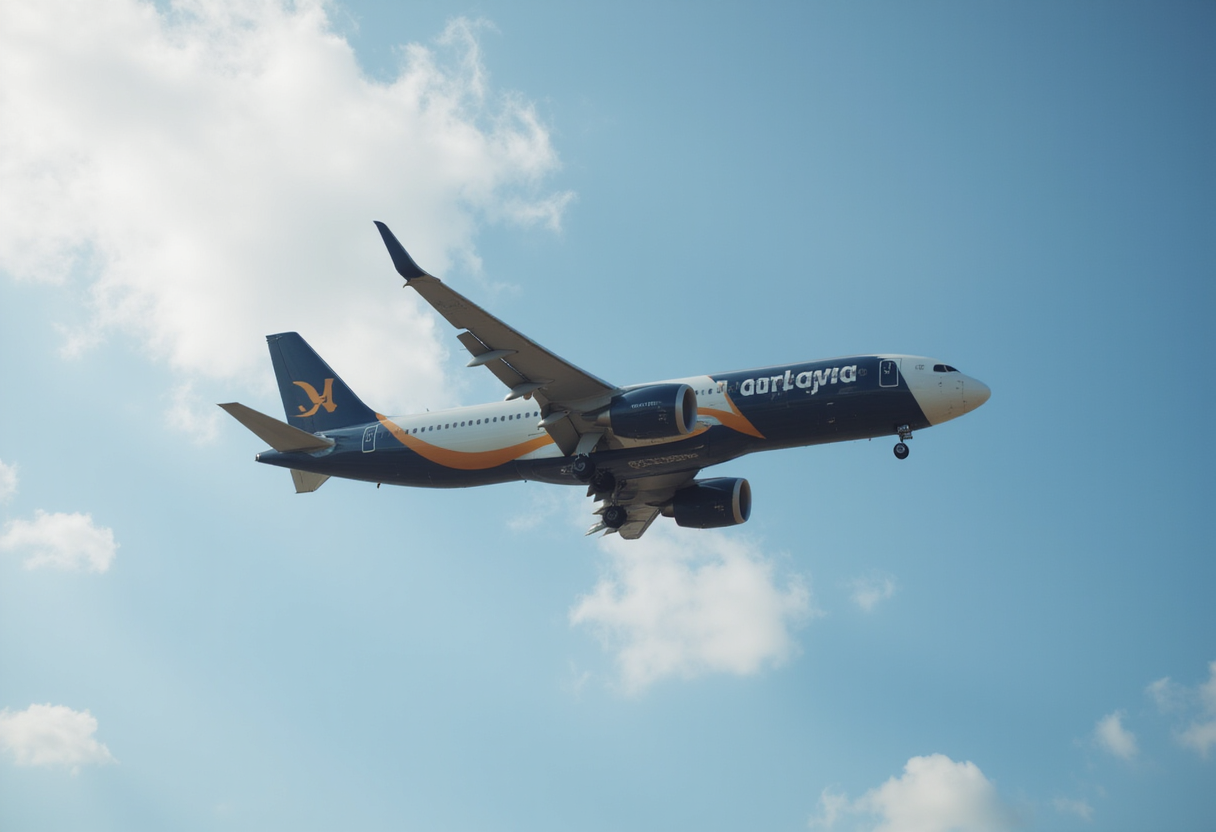
An Amazon Air cargo aircraft traversed nearly half the length of a runway at Miami before a fatal landing, according to preliminary findings from the National Transportation Safety Board.
The agency's reporting indicates the plane "flew past nearly half" of the runway before touchdown, leaving the flight crew substantially reduced stopping distance in what amounts to a runway-overrun scenario. The accident proved deadly. The NTSB has not yet released casualty figures, the aircraft registration, the aircraft type, or the operating carrier on Amazon Air's behalf in the initial reporting cited.
What did the NTSB find?
The board's preliminary information characterized the event as a runway-overrun scenario. Investigators will now work through cockpit voice recorder (CVR) and flight data recorder (FDR) data for evidence on approach speed, flap setting, autobrake selection, thrust-reverser deployment timing, and manual braking inputs. Air-traffic-control communications, weather observations, and runway friction measurements will enter the factual record alongside crew qualification files and the carrier's standard operating procedures.
What is Amazon Air?
Amazon Air is Amazon's dedicated air-cargo operation, building a freighter network intended to supplement integrator capacity from FedEx Express and UPS Airlines rather than replace it. The division contracts aircraft and crews from third-party operators — Air Transport Services Group (ATSG) and Atlas Air have historically been the largest partners — rather than holding its own air-carrier certificate. That structure places crew training, maintenance, and operational control with the contract carrier under FAA Part 121 oversight.
Why does the touchdown point matter?
Standard precision and non-precision approaches target the runway threshold at roughly 50 feet above the surface, with the first 1,000 feet of pavement serving as the primary aiming point. A touchdown that crosses the runway's halfway point before the main gear reaches the surface leaves the flight crew markedly less runway for deceleration. At typical narrowbody cargo approach speeds in the 130-150 knot range, each additional second of float can consume 200 feet or more of pavement before the wheels even begin braking.
What regulatory framework applies?
Cargo operations under 14 CFR Part 121 require crew qualification, recurrent training, and adherence to standard operating procedures on autobrake selection, reverse-thrust use, and rejected-landing decision-making. The FAA's Runway Overrun Risk Awareness training, mandated since 2015, emerged from earlier board recommendations following prior overrun accidents. Investigators will examine whether the crew completed that training and whether the carrier's procedures align with industry norms on landing-distance calculations, which apply a 1.67 safety factor to the actual demonstrated stopping distance.
What are the likely operational consequences?
A fatal runway overrun on a freighter contract operation will draw regulatory attention to the contract carrier's safety culture, the principal's oversight of contractor training, and the airport's overrun-risk assessment. Insurance costs for cargo operators at congested hubs typically rise after a hull loss, and Amazon's contractual leverage with ATSG and Atlas Air — both publicly traded lessors with material Amazon exposure — could shape renegotiated terms around crew qualifications, simulator training frequency, and route assignments.
What's next?
The NTSB typically publishes a preliminary report within two weeks of a major accident, followed by a factual report at six to 12 months, and a final probable-cause determination that can run 12 to 24 months from the event. The Miami findings will inform any safety recommendations the board issues on cargo approach procedures, particularly at busy airports where wake-turbulence separation standards can pressure crews toward long landings and away from go-around decisions.
via Google News: Air cargo (Source)
More from Priya Raman
Same bay
- FDR253NTSB: Late touchdown preceded fatal Amazon Air crash · October 2, 2026
- FDR666NTSB: Amazon Air Jet Flew Past Nearly Half of Miami Runway Before Fatal Landing · October 2, 2026
- FDR869Amazon suspends 21 Air after freighter overruns Miami runway · October 9, 2026
- FDR955NTSB: Amazon Cargo Jet Landed 3,750 Feet Past Threshold · October 2, 2026
- FDR688NTSB: Amazon Air jet crossed half of Miami runway before fatal landing · October 2, 2026