Safety & OperationsClearance sheet
Qantas 737 Aborts Sydney Landing at 90 Metres as ATSB Probes Runway Conflict
Qantas QF426 went around at 90 metres over Sydney after an unauthorised runway conflict with an Air New Zealand aircraft. The ATSB is investigating the seventh SYD conflict since July.
Read-back
- QF426 from Melbourne aborted its landing at 25 November 10:15 a.m. AEDT after an Air New Zealand aircraft crossed the runway.
- The Boeing 737 had not been cleared to land and went around at approximately 90 metres.
- Six runway and taxiway conflicts at SYD occurred between July and August, all under ATSB investigation.
- Sydney's post-COVID confliction rate runs about 20% above the national average, per ATSB Chief Commissioner Angus Mitchell.
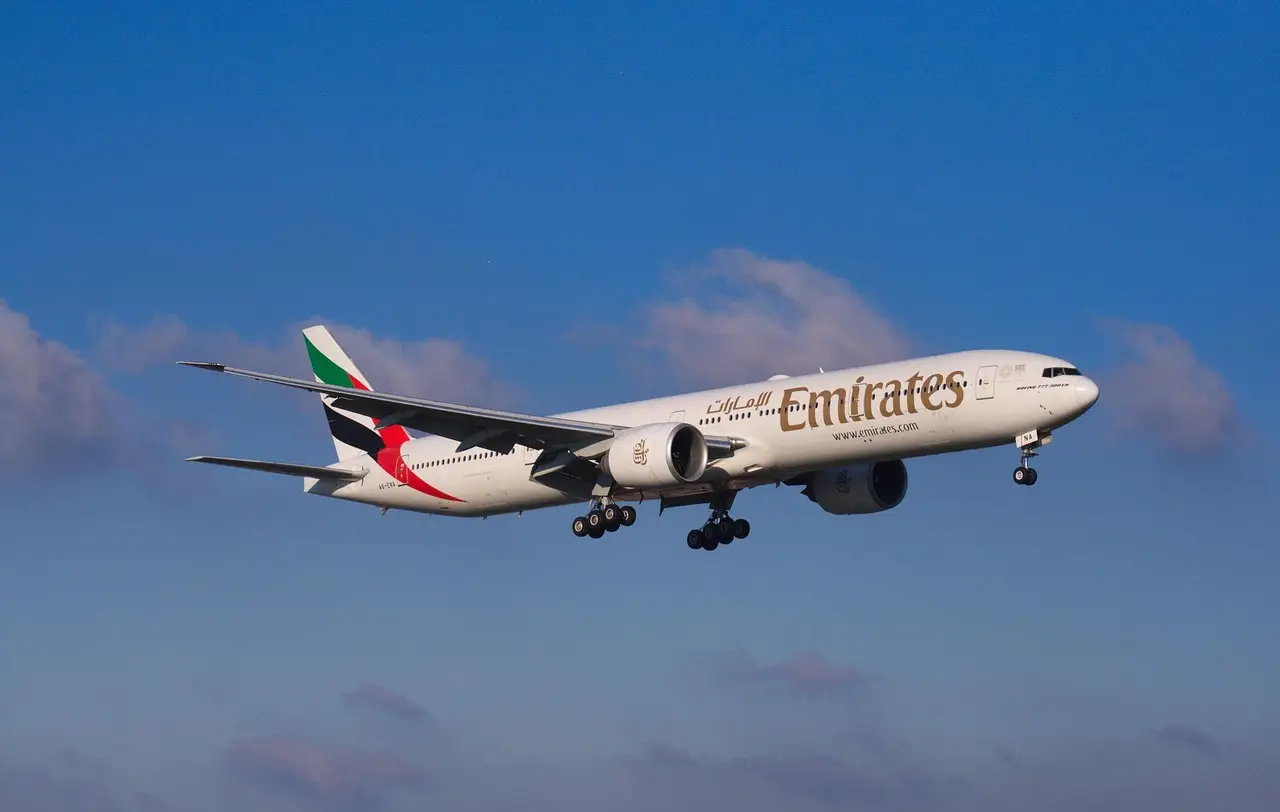
Qantas flight QF426 descended to roughly 90 metres over Sydney Kingsford Smith Airport before its crew abandoned the approach on 25 November, after spotting an Air New Zealand aircraft on the runway. The Boeing 737 had not been cleared to land. The Australian Transport Safety Bureau has opened an investigation.
The aircraft departed Melbourne at the start of a routine domestic sector. At about 10:15 a.m. AEDT on Wednesday, 25 November, the crew observed the Air New Zealand aircraft crossing the runway during final approach.
The pilots initiated a go-around. Reports place the jet seconds from touchdown. The 737 climbed away, flew a circuit over Sydney Harbour, and landed safely a short time later.
No clearance had been issued. ATSB has not said why the Qantas crew continued the approach to 90 metres without one, or whether the Air New Zealand crew believed its crossing was authorised. Those questions sit at the centre of the inquiry.
What does the ATSB investigation cover?
The bureau will interview both flight crews and the air traffic controllers involved. It will review audio recordings, system data and CCTV footage. It will also examine the operational manuals and procedures in force at the time.
The ATSB framed the inquiry in unusually cognitive terms. It stated:
"In particular, the investigation will seek to ascertain what information was provided to the crews of both aircraft, and what mental models those crews held."
That wording signals a focus on situational awareness rather than pure equipment failure. The bureau wants to know what each crew believed was happening, and whether controllers' instructions created divergent expectations between the two flight decks.
A final report has not been released. The investigation remains open.
How unusual is Sydney's record?
Not unusual enough. This incident follows six runway and taxiway conflicts at SYD between July and August 2024, each of which prompted a separate ATSB investigation. Wednesday's event extends a pattern rather than breaking one.
ATSB Chief Commissioner Angus Mitchell put a number on the concern. He said:
"Sydney recorded the highest confliction rate per aircraft movement post COVID among the major airports, around 20% above the national average. This should however be viewed in the context of Sydney Airport being the most complex in the country."
Mitchell's caveat deserves weight. Sydney is Australia's busiest single-site operation, with compressed runway and taxiway layout constraints. A higher conflict rate per movement may partly reflect complexity, not purely declining safety. The ATSB data does not yet separate the two.
What does this change for operators?
For Qantas, the operational cost was minor: one go-around, a harbour circuit, minutes of delay. The exposure is systemic. A conflict at 90 metres leaves no margin for a slower crew response, and the airline now faces a second ATSB process touching its Sydney operations within months.
For Air New Zealand, the involvement raises questions its own safety department will need to answer regardless of the ATSB's timeline — specifically whether its crew was where it was cleared to be.
For Airservices Australia, whose controllers sequenced both aircraft, the investigation will test whether procedure or execution failed. The bureau's plan to review audio and CCTV suggests the truth lies in the timing of transmissions, and the bureau has not said when it expects to report.
The practical question for passengers and airlines is whether the July-to-August cluster was a statistical spike or a trend. The ATSB's final report on QF426 — and on the six earlier conflicts — should answer that, but no publication date has been set.
via travelradar.aero (Source)
More from James Calloway
Show full bio
Staff writer covering people, launches and day-to-day practice in Commercial aviation industry coverage at Flightdeck Report.
739 articles
Same bay
- Sydney controllers warn of collision risk after airspace redesign · September 30, 2026
- TAIC finds systemic failures behind Air NZ Q300 low-altitude incident · September 30, 2026
- 737 freighter rejected take-off at 139kt after safety vehicle entered runway · November 22, 2026
- CASA Finds No Immediate Safety Risk in Sydney Airport Incidents · September 30, 2026
- ATSB Opens Preliminary Reviews Into Sydney Airport Incidents · September 30, 2026