Clearance CLR-2531 · AIR782
AIRRAN
AirportsClearance sheet
Ransomware on a Check-In Supplier Grounded Half of Brussels' Departures
Ransomware on Collins Aerospace's MUSE check-in software cancelled 140 of 276 Brussels departures; a Qantas breach exposed 5.7 million customer records. Suppliers are aviation's weak point.
Read-back
- A September 2025 ransomware attack on Collins Aerospace's MUSE software disrupted Heathrow, Brussels, Berlin and Dublin; Heathrow estimated more than 1,000 computers could be affected.
- Brussels Airport asked airlines to cancel 140 of its 276 departures the following Monday.
- A Qantas call-centre breach affected 5.7 million customers; the stolen data was released online in October 2025.
- The UK Cyber Security and Resilience Bill, introduced 12 November 2025, would require significant incident reports within 24 hours.
- Named threat groups targeting aviation include Qilin, LockBit, Cl0p and Scattered Spider.
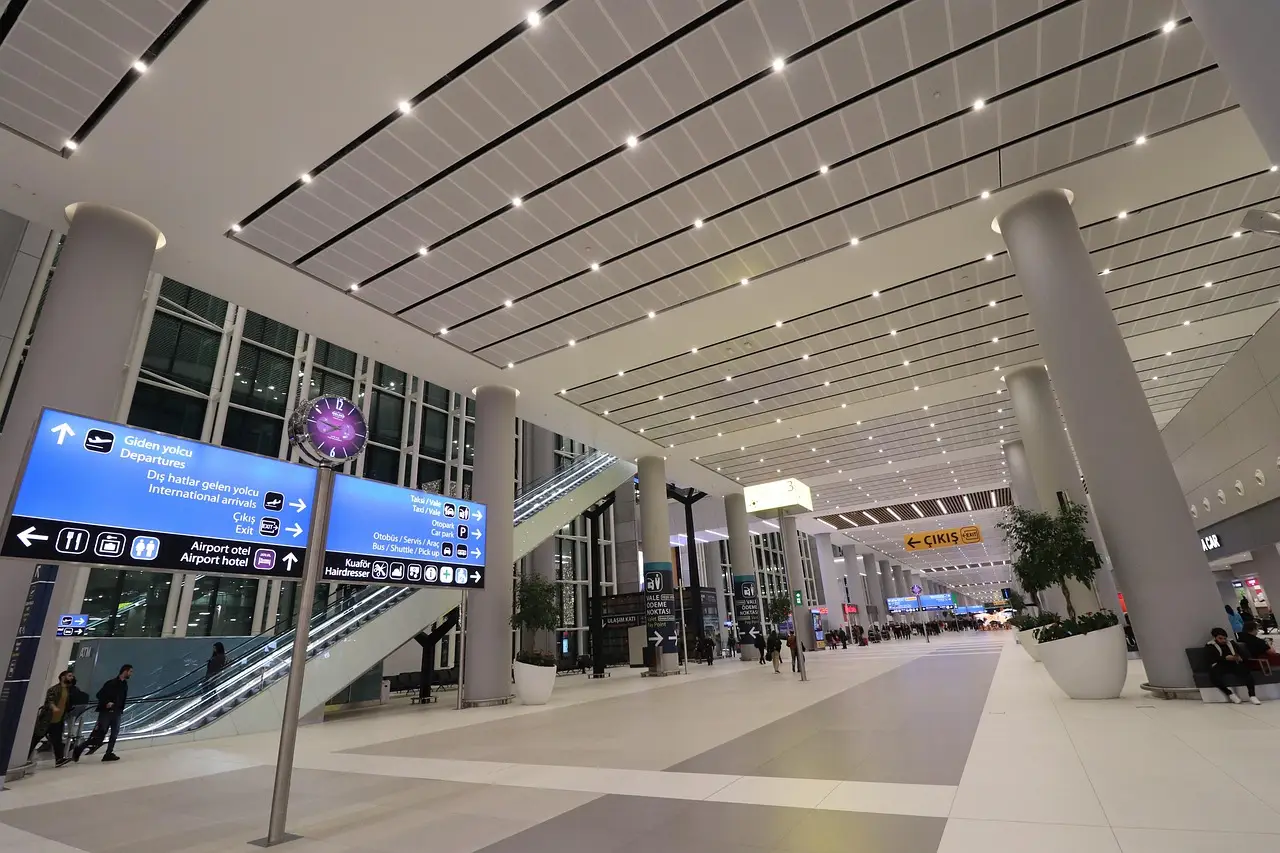
A single ransomware attack on Collins Aerospace's MUSE passenger processing software in September 2025 forced Brussels Airport to ask airlines to cancel 140 of its 276 Monday departures, roughly half its schedule, because a secure replacement system was not ready. The same incident disrupted check-in and bag drop at Heathrow, Brussels, Berlin and Dublin, sending four of Europe's busiest airports back to manual processing. Heathrow estimated that more than 1,000 computers could be affected.
ENISA, the EU's cyber security agency, confirmed ransomware as the cause, TechRepublic reported. The National Crime Agency arrested a man in his forties in West Sussex on suspicion of Computer Misuse Act offences and released him on conditional bail. Paul Foster, head of the NCA's National Cyber Crime Unit, said the investigation "remains ongoing."
Why did one supplier cause so much disruption?
The MUSE attack did not breach an airline or an airport directly. It hit a supplier whose shared system serves many airlines and airports at once, which is precisely what made it effective. Check-in, baggage, reservations and flight planning all depend on a small number of specialist providers, so one weak link can halt many operations simultaneously.
Dr Daniel Gardham of the University of Surrey said the sector "relies on numerous and disparate systems working in tight coordination." That architecture, efficient in normal operations, concentrates risk. An airport can be secure and still be stopped by somebody else's system. That is a capacity and cost problem, not merely an information technology problem: half a departure board erased in a day.
What happened to 5.7 million Qantas customers?
Some attackers want disruption. Others want data. In summer 2025, an intruder targeted a Qantas call centre and accessed a third-party customer servicing platform, affecting 5.7 million customers, TechRadar reported. The breach exposed names, email addresses, frequent flyer details and, for some customers, dates of birth and phone numbers. Qantas said payment and passport details were not compromised.
In October 2025 the stolen data was released online. Qantas said it was "one of a number of companies globally that has had data released by cyber criminals," according to The Star. The third party was understood to be Salesforce, and analysts linked the hack to a group called Scattered Lapsus$ Hunters. Data from Air France and KLM was also obtained in the same campaign. Qantas won a court injunction to stop the data being viewed or published.
Who is targeting aviation?
Aviation and aerospace have become one of the most actively targeted industries, Cybersecurity News reported. It names ransomware groups including Qilin, LockBit and Cl0p, alongside Scattered Spider and state-linked actors. Smaller targets are hit too. In January, an unauthorised party accessed files at the trust that runs Tulsa's airports, and media reports linked the incident to Qilin. Airlines, airports, ground handlers, maintenance providers and booking platforms all sit in the same chain, and attackers look for the weakest link.
What are regulators doing about suppliers?
The UK's Cyber Security and Resilience Bill, introduced on 12 November 2025, would bring medium and large managed service providers into the regulatory regime and let regulators designate critical suppliers, according to KPMG. Organisations in scope would have to report a significant incident within 24 hours, followed by a fuller report within 72 hours.
The bill was at committee stage in the House of Lords in September, and proposed amendments would extend it to critical transport equipment manufacturing. The significant change for aviation is the focus on suppliers rather than operators alone. The MUSE attack demonstrated the gap: an airport can be secure and still be brought to a halt by someone else's system.
What does this mean for passengers?
When a shared system fails, queues lengthen, check-in goes manual, and flights are delayed or cancelled. A cyber attack on an airport supplier sits outside an airline's control, so fixed compensation may not be due. The airline must still look after passengers during long delays and offer a refund or rerouting if a flight is cancelled.
Data breaches carry a slower risk. Stolen names, emails and frequent flyer numbers make scam calls and messages more convincing. After its breach, Qantas urged customers to verify unsolicited callers independently. The standard precautions hold: treat unexpected messages about bookings or loyalty accounts with suspicion, use a unique password for each airline account, and switch on two-factor authentication where it is offered.
The largest disruptions of recent years came not from an attack on an aircraft but from ransomware in a shared check-in system. Until suppliers face the same scrutiny as the operators they serve, one compromised system will keep disrupting thousands of passengers at a time.
via theaviationhub.co.uk (Source)
More from Grace Kim
Show full bio
News editor covering companies, deals and strategy in Commercial aviation industry coverage at Flightdeck Report.
640 articles
Same bay
- FDR968ATNS probes ransomware-linked malware in operational technology network · October 10, 2026
- FDR559Ransomware-Linked Malware Hit ATNS Network Serving 10% of World Airspace · September 30, 2026
- FDR348NATS Outage Cost UK Economy Up to £42m, CMC Report Finds · November 5, 2026
- FDR624Minister questions Qantas data control in Accenture plan · November 12, 2026
- FDR585NTSB Opens Investigation After Amazon Cargo Crash Kills Five · October 9, 2026