Clearance CLR-7707 · SAF778
SAFREG
Safety & OperationsClearance sheet
Regent's Seaglider Prototype Faces Setbacks Before First Flight
Regent's seaglider prototype broke its wing in an October hydrofoiling accident, pausing a test program that had already slipped from its summer 2025 flight-test target.
Read-back
- Regent began sea trials with its first full-scale seaglider prototype in March 2025
- The prototype's left pontoon struck the water while hydrofoiling last October, breaking the wing
- The company originally expected to progress from hydrofoiling into flight tests by summer 2025
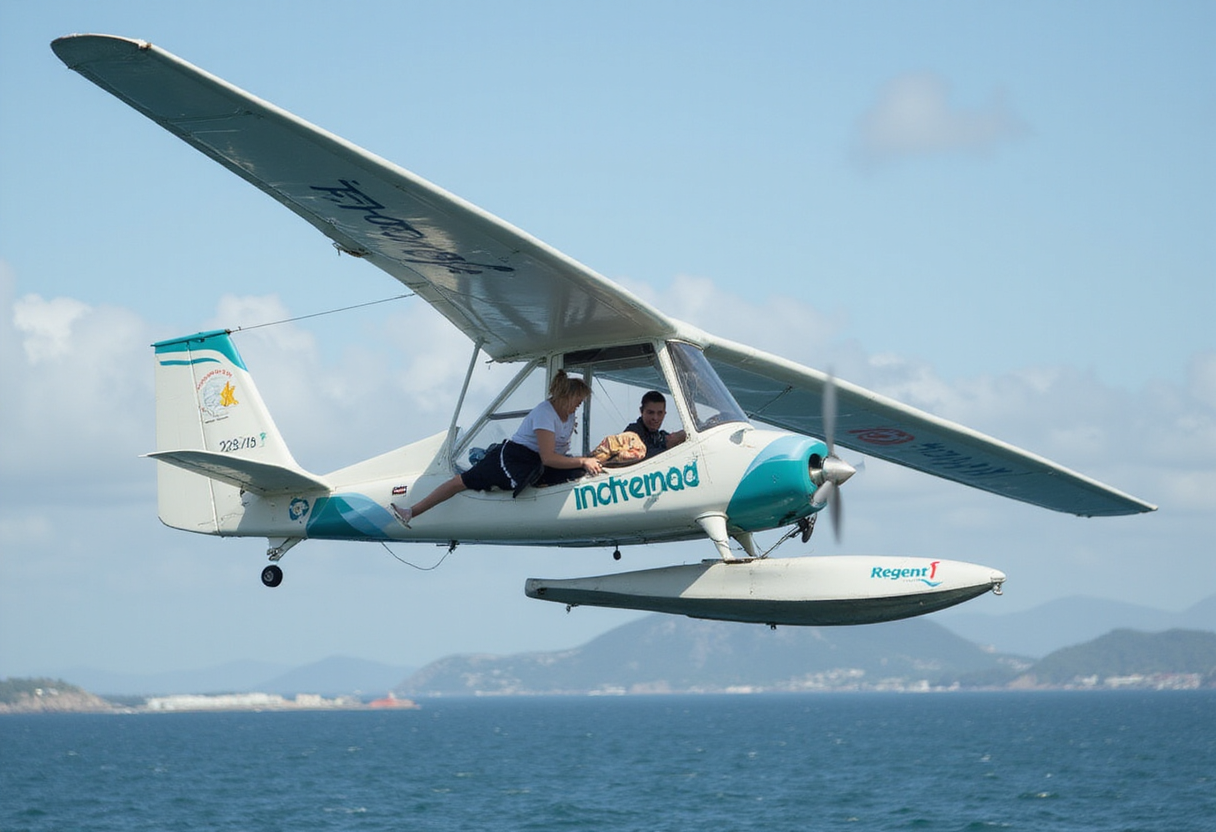
Regent, the Rhode Island-based developer of electric seagliders, launched sea trials with its first full-scale prototype in March 2025 expecting to progress through hydrofoiling and into flight tests by that summer. The schedule slipped. Then, last October, the craft's left pontoon struck the water while hydrofoiling, breaking the wing and putting the test program on hold while the company worked to recover.
The accident underscores the gap between startup schedules and hardware reality in new vehicle classes. Regent's Viceroy seaglider — an electric wing-in-ground-effect flying boat designed to carry passengers over water at low altitude — depends on mastering two distinct technical regimes before certification: hydrofoiling through the waterborne takeoff run and airborne flight in ground effect.
The March 2025 start of sea trials marked the prototype's transition from dock testing to open-water operations. Hydrofoiling, the phase in which foil-mounted struts lift the hull out of the water to reduce drag before takeoff, is a prerequisite for the flight-test campaign. Regent had planned to clear this phase within months. The company instead spent longer than planned refining the hydrofoiling envelope, and the October pontoon strike interrupted the program before the craft reached flight.
A pontoon contacting the water during a hydrofoiling run is characteristic of the control and stability challenges inherent in vehicles that operate at the boundary between water and air. The wing break that resulted removed the prototype from testing while Regent assessed the damage and rebuilt.
For an OEM in Regent's position, prototype damage carries consequences beyond the airframe itself. Every month the vehicle sits idle compresses the remaining flight-test schedule, and the seaglider category itself — regulated in the United States as a maritime vessel under Coast Guard oversight rather than as a conventional aircraft — has no established certification precedent to lean on. Regent must build the flight-test evidence base from scratch while competitors and potential customers watch the timeline.
The company has not abandoned its targets, but the October accident resets expectations for when the Viceroy will fly. Regent's original plan to move from hydrofoiling to flight tests within a single summer proved optimistic, as startup development schedules frequently are.
The path forward requires Regent to return the repaired prototype to the water, complete the hydrofoiling envelope, and then attempt the first flight — the milestone that will validate whether the seaglider concept can transition from promising test data to an aircraft that flies. Until that flight occurs, the program's progress rests on hydrofoiling runs and the company's ability to avoid further hardware setbacks.
Regent's next steps — returning the prototype to service and reaching first flight — will determine whether the seaglider program stays on a credible development track or joins the long list of novel vehicle concepts stalled by early test-phase damage.
via theaircurrent.memberful.com (Original)
More from Sophie Lindqvist
Show full bio
Senior reporter covering industry trends and analytics at Flightdeck Report.
161 articles
Same bay
- FDR978Game Aerospace GB2 Single-Engine Airtanker Flies From Arkansas Base · September 30, 2026
- FDR560Bye Aerospace's eFlyer 2 Trainer Makes First Flight in Colorado · September 30, 2026
- FDR407Airbus Targets 29 September for A350F Maiden Flight · September 26, 2026
- FDR515FAA Names Surf Air Mobility as Participating Airspace User in SMART Program · September 28, 2026
- FDR223Flydubai Jet Survives 16,000-Foot Uncontrolled Descent · October 1, 2026