Clearance CLR-9094 · IND727
INDREX
Finance & DealsClearance sheet
Rex posts $1.33 million quarterly loss as Saab fleet stays grounded
Rex lost AU$1.33 million in the September quarter as fuel hit US$176.40/barrel and only about 30 of its 56 Saab 340Bs returned to service.
Read-back
- Rex lost AU$1.33 million (US$900,000) in the quarter to 30 September 2025.
- Only around 30 of Rex's 56 Saab 340B aircraft are in service; the rest are parked.
- Jet fuel hit US$176.40 per barrel on 3 November, up 81.8% year on year amid the Iran conflict.
- Quarterly revenue was AU$84.2 million with an adjusted EBITDA loss of about US$0.9 million.
- A Productivity Commission report found regional route margins average 9%, with some remote routes below 5%.
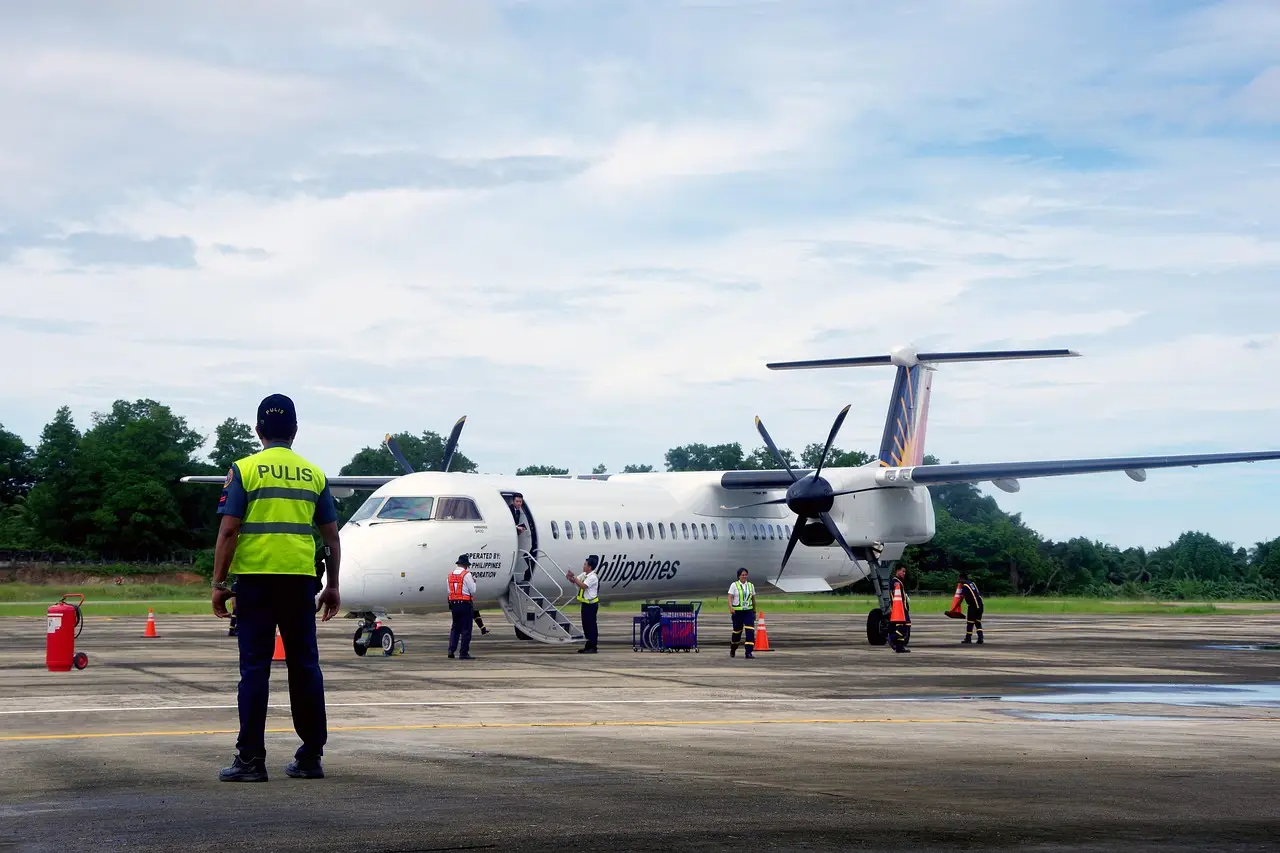
Rex, the Australian regional carrier now owned by US freight firm Air T, lost AU$1.33 million (US$900,000) in the three months to 30 September, as fuel prices and engine shortages kept more than half its fleet on the ground.
The airline operates 56 Saab 340B turboprops, but only around 30 are believed to be in service. The remainder sit parked because maintenance problems have prevented Rex from returning them to operation as planned — a direct constraint on capacity across Australia's regional network.
What drove the loss?
Air T, which bought Rex out of administration in late 2025, pointed to two forces. The first is fuel: the ongoing Iran conflict pushed jet fuel to US$176.40 (AU$253.22) per barrel on 3 November, up 81.8 per cent year on year. The second is maintenance: unscheduled engine removals and slow turnaround at third-party maintenance, repair and overhaul (MRO) shops left fewer aircraft available than planned.
"Rex financial performance was notably challenged in the quarter due to a combination of unscheduled engine removals, delays at engine overhaul shops and a doubling of fuel costs compared to pre-war levels," Air T CEO Nick Swenson said in the company's financial update.
Revenue for the quarter reached AU$84.2 million (US$56.8 million). Adding back Rex's large quarterly depreciation charge, the adjusted EBITDA (earnings before interest, tax, depreciation and amortisation — a measure of operating cash performance) loss came to approximately US$0.9 million.
"Management continues to support business leaders as they navigate areas of risk management and growth management," Swenson added.
How does Rex manage fuel risk?
The carrier takes a notably unhedged position. Air T stated plainly: Rex "does not hedge its fuel price or related Australian dollar/US dollar exposure and purchases fuel at prevailing market prices."
Instead, the airline mitigates higher costs through fare adjustments, capacity management, and fuel levy arrangements with certain state governments. Fuel was the primary driver of the loss — and, crucially, the increase came from higher per-litre prices rather than increased consumption. The airline is flying less, not more, while paying nearly double pre-war rates.
What does this change for regional Australia?
The Rex numbers arrived alongside an interim Productivity Commission report released last week examining the economics of regional routes. Its findings frame the stakes.
Operating costs on regional routes consume about 91 per cent of the fare, leaving profit margins of roughly 9 per cent — comparable to major city services. Fuel ranks as the single highest cost, followed by airport charges.
But the averages conceal sharp variation. Margins "vary widely between routes," the Commission found. Some shorter remote and regional routes earn margins below 5 per cent and face questionable sustainability, while mining routes often deliver profits "significantly higher than average."
For Rex, the margin structure means a fuel shock of this size cannot be absorbed by cost discipline alone. With fuel unhedged and roughly 26 aircraft parked pending engine availability, the airline's recovery depends on two external variables it does not control: MRO throughput at third-party engine shops, and the geopolitical trajectory of oil prices following the Iran conflict.
Air T's stated priorities — risk management and growth management — signal that fleet reactivation remains the near-term objective rather than expansion. Until engine overhaul shops clear the backlog of unscheduled removals, Rex will keep flying a fleet roughly half the size of the one it owns, on routes where a five-percentage-point margin swing can determine whether a service survives.
The next quarterly update will show whether more Saabs return to service as overhaul capacity frees up, or whether the carrier enters 2026 still carrying the cost of a fleet it cannot fly.
via australianaviation.com.au (Source)
More from Sophie Lindqvist
Show full bio
Senior reporter covering people, launches and day-to-day practice in Commercial aviation industry coverage at Flightdeck Report.
679 articles
Same bay
- FDR759Former Rex chairman fined $560,000 and banned for four years · October 21, 2026
- FDR626Emirates profit survives fuel shock, but network remains below peak · November 8, 2026
- FDR863Qantas lifts fuel bill forecast $150 million and trims capacity · November 8, 2026
- FDR119Ryanair's O'Leary warns jet fuel costs could stay high until 2028 · October 9, 2026
- FDR765Middle East traffic down 10% as fuel tops $171 · September 26, 2026