Clearance CLR-3336 · AIR863
AIRQAN
Airlines & NetworksClearance sheet
Qantas lifts fuel bill forecast $150 million and trims capacity
Qantas lifts its H2 2026 fuel forecast to $3.75 billion, cuts domestic capacity 4 per cent and flags fare rises as jet fuel hits US$176.40 a barrel.
Read-back
- Qantas raised its fuel cost forecast for the six months to 31 December 2026 by around $150 million to $3.75 billion.
- Jet fuel hit US$176.40 (AU$253.22) per barrel on 3 November, up 81.8 per cent year on year amid the Iran war.
- 85 per cent of Qantas fuel requirements through fiscal year-end are hedged.
- Domestic capacity will fall 4 per cent year on year; overall capacity down 1 per cent by June 2027.
- Qantas expects revenue per seat up 8-10 per cent to December 2026; capex at the lower end of $4.3-4.6 billion.
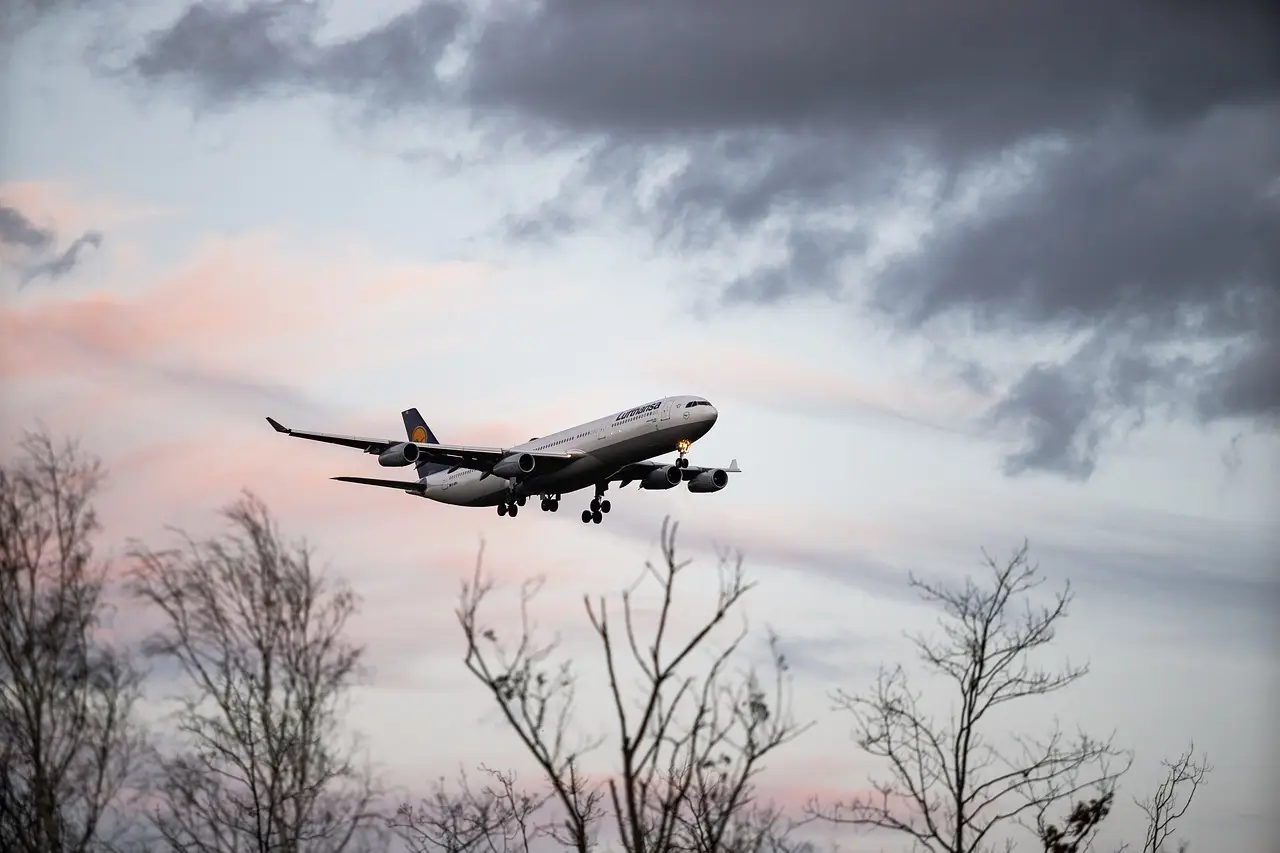
Qantas has raised its forecast fuel bill for the six months to 31 December 2026 by roughly $150 million, to $3.75 billion, and will trim group capacity through the end of the fiscal year. The airline disclosed the revision in a release to the ASX on Friday.
"The group has and will continue to adjust fares and capacity in response to higher fuel costs," Qantas said in the statement. The promise of fare adjustments carries no numbers. Neither the size nor the timing of any increase appears in the release.
What is driving the increase?
Jet fuel traded at US$176.40 (AU$253.22) per barrel on Tuesday, 3 November, up 81.8 per cent year on year. The ongoing Iran war sits behind the move. In August, Qantas Group anticipated a $3.6 billion fuel bill through the end of this year. Since then, the cost of jet fuel has jumped a further 13.2 per cent.
The company has long used fuel hedging to blunt volatility. It said 85 per cent of its fuel requirements through the end of the financial year are hedged. That hedge ratio, not the fare lever, gives the carrier most of its near-term certainty. What lies beyond the hedge horizon the release does not say.
What does this change for capacity and fares?
The headline cuts are modest. Qantas will reduce overall capacity by 1 per cent by June 2027 against June 2026. Domestic capacity will fall harder, down 4 per cent year on year. International cuts, if any, go unnamed.
Passenger demand, in the airline's own words, remains "resilient". Both domestic and international leisure traffic are "strong". That combination — firm demand plus shrinking seats — supports the release's revenue forecast. Qantas expects total revenue per seat to rise between 8 and 10 per cent through December 2026.
What does this change for the travelling public? Fewer domestic seats and higher revenue per seat point in one direction: higher fares, confirmed in intent but not in magnitude.
Capital spending will absorb some of the pressure. Qantas anticipates total net capital expenditure at "the lower end" of its previously guided range of $4.3 to $4.6 billion for the full year to 30 June 2027. That range already existed; the release narrows it downward without giving a new figure.
The wider financial backdrop
The fuel escalation follows a bruising prior year. In August, Qantas Group revealed a $420 million hit to full-year earnings from the Iran war.
Statutory profit after tax for 2025–26 came in at $1.29 billion, down $316 million on the previous financial year. Mitigation actions taken in response to the conflict reduced the impact of a $610 million increase in Qantas' fuel costs.
"This has been another year of progress, with customer satisfaction at its highest in a decade and world-leading operational performance, even as the aviation industry faced record high fuel costs and disruption from the conflict in the Middle East," Qantas Group chief executive Vanessa Hudson said at the time.
"We came through it with a strong result, which is what allows us to continue investing in the largest fleet renewal in our history and deliver more for our customers, people and shareholders."
The claim of "world-leading" operational performance appears without a dispatch-reliability figure or benchmark attached. "Largest fleet renewal in our history" likewise carries no aircraft count. Both statements rest on the company's own characterisation.
Segment detail
The group's fiscal 2025–26 numbers break down as follows:
- Qantas Group Domestic delivered $1.44 billion in underlying EBIT
- Qantas Domestic revenue rose 5 per cent
- Jetstar Domestic earnings rose 15 per cent
- Qantas International revenue grew 8 per cent
- Jetstar International revenue grew 14 per cent
- Group International underlying EBIT declined to $650 million on "significantly higher fuel costs"
- Net freight revenue increased 9 per cent
Domestic strength partially offset international erosion. Even so, international EBIT fell despite double-digit Jetstar revenue growth — evidence of how far fuel has outrun traffic gains.
What to watch
The 85 per cent hedge protects this financial year. The 13.2 per cent fuel jump since August, layered on an 81.8 per cent annual rise, shows how quickly that protection erodes. If the Iran war keeps a floor under prices, the next ASX release will test whether a 1 per cent capacity trim and an 8-10 per cent revenue-per-seat gain can hold the line.
via australianaviation.com.au (Source)
More from James Calloway
Show full bio
Staff writer covering people, launches and day-to-day practice in Commercial aviation industry coverage at Flightdeck Report.
620 articles
Same bay
- FDR119Ryanair's O'Leary warns jet fuel costs could stay high until 2028 · October 9, 2026
- FDR484Qantas weighs outsourcing 850 jobs as jet-fuel costs stay high · November 12, 2026
- FDR821American Airlines tips 2026 loss as fuel bill jumps 67.5% · October 22, 2026
- FDR450Ryanair Half-Year Profit Falls 15% as Fuel Bill Looms · November 2, 2026
- FDR701Qantas and Virgin hedge against a green fuel levy neither wants to own · September 28, 2026