Clearance CLR-6283 · AIR484
AIRQAN
Airlines & NetworksClearance sheet
Qantas weighs outsourcing 850 jobs as jet-fuel costs stay high
A podcast examines Australian airlines’ capacity cuts and fare hikes amid a jet-fuel crisis, while Qantas considers outsourcing 850 head-office jobs and AI’s role.
Read-back
- Qantas is looking to outsource 850 head-office jobs.
- Major Australian domestic airlines plan further capacity cuts and fare adjustments.
- Major carriers’ bottom lines are holding steady for now.
- Jet-fuel costs show no sign of coming down soon as the Middle East situation continues.
- The podcast asks where Qantas’ 850 outsourced jobs will go and how much AI will play.
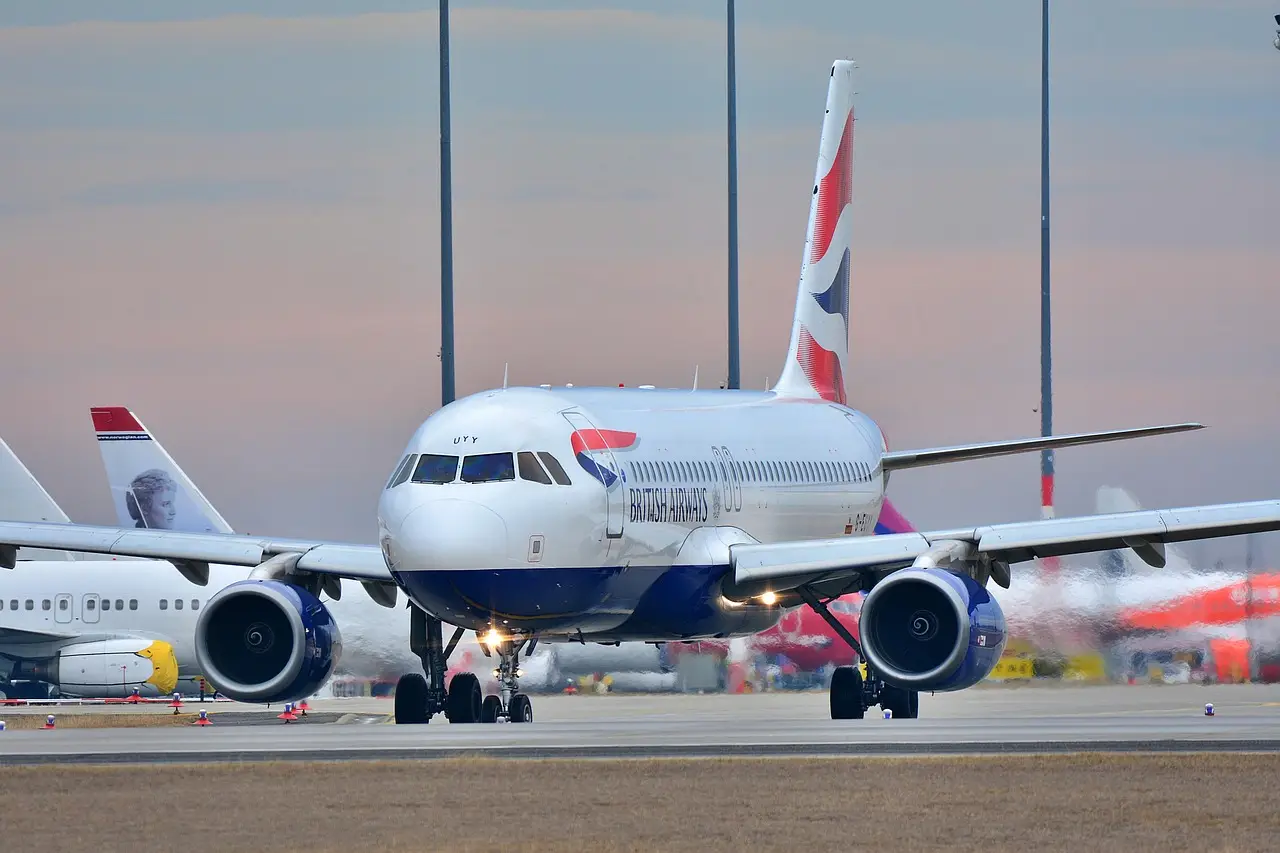
Qantas is looking to outsource 850 head-office jobs as Australia’s major domestic airlines plan further capacity reductions and fare adjustments while jet-fuel costs show no sign of easing. The two subjects share one Australian Aviation Podcast episode, but the episode does not establish a direct link between the fuel shock and Qantas’ proposal.
What is driving airlines’ fare and capacity decisions?
The episode opens with the cost of jet fuel remaining high for an uncertain period as the situation in the Middle East continues. It says major domestic carriers are again planning to shave back capacity and “adjust” airfares, which means passengers will probably continue to feel the pinch.
Capacity cuts reduce the travel capacity offered. Fare increases then raise the price of the remaining tickets. The episode describes another round of fare hikes and capacity reductions, although it gives no carrier-by-carrier figures, route list, aircraft type, percentage change or start date.
Major carriers’ bottom lines are holding steady for now, according to the episode. That leaves its central financial question unanswered: are the fare hikes and capacity cuts recovering higher fuel costs, or are they another attempt to “squeeze a bit more out of the travelling public”?
What does this change for passengers?
Passengers should expect pressure on both availability and price, because the episode pairs planned capacity reductions with fare hikes. It does not quantify the fuel-price change, ticket-price increase or lost capacity, so no defensible estimate can be made for a particular itinerary or market.
The episode also stops short of identifying which domestic carriers will cut capacity or where. Without that breakdown, passengers cannot tell which markets face tighter availability, and no judgement can be made on the likely network effect.
Why does Qantas’ 850-job outsourcing matter?
The Qantas proposal concerns the structure of the airline’s head-office work. The episode says the carrier is “looking to outsource 850 head-office jobs,” but supplies no vendor, destination, timetable, cost saving or redeployment plan. It therefore supports a proposal, not a completed transfer.
Outsourcing also does not, by itself, establish that 850 positions will disappear. That distinction keeps the employment effect separate from the fuel and pricing discussion, rather than treating the job number as a confirmed redundancy announcement. The episode does not say whether Qantas will reduce total headcount.
The episode’s other Qantas question is how much of a role artificial intelligence (AI) will play. It gives no number of AI-linked roles, system, vendor or implementation timetable, so claims that AI will replace the outsourced positions would go beyond what the episode establishes.
What is known, and what remains a promise?
The evidence separates into current conditions and future actions:
- Jet-fuel costs show no signs of coming down soon as the Middle East situation continues.
- Major domestic airlines plan additional capacity cuts and fare adjustments.
- The major carriers’ bottom lines are holding steady for now.
- Qantas is looking to outsource 850 head-office jobs.
- The episode examines where the work will go and how much of a role AI will play.
Those points describe a high-cost operating environment, planned passenger measures and one proposed workforce change. They do not disclose the size and duration of the fuel shock, the carriers affected, the fare and capacity percentages, or the commercial terms of Qantas’ outsourcing plan. The episode identifies the overall direction, not its magnitude.
Hosts Jake, Hannah and David frame this week’s discussion around how major airlines cope with the fuel crisis and what it means for prices and passenger choice. The episode can be played on a device through its link or through the audio-only podcast player; the announcement includes no transcript or supporting financial data.
For travellers, the practical change is a likely squeeze from fewer seats and higher fares, although the scale remains unquantified. For Qantas, the practical change could be a different head-office operating model, but neither the transfer of 850 jobs nor AI’s contribution has been specified. The next useful evidence will be carrier-level capacity data, fare movements and the outsourcing and AI details.
via australianaviation.com.au (Source)
More from Sophie Lindqvist
Show full bio
Senior reporter covering people, launches and day-to-day practice in Commercial aviation industry coverage at Flightdeck Report.
616 articles
Same bay
- FDR701Qantas and Virgin hedge against a green fuel levy neither wants to own · September 28, 2026
- FDR863Qantas lifts fuel bill forecast $150 million and trims capacity · November 8, 2026
- FDR906Qantas sustainability chief weighs aviation's decarbonisation levers · October 9, 2026
- FDR150U.S. Carriers Trade Full Planes for Higher Fares as Fuel Costs Bite · October 30, 2026
- FDR582Qantas targets Indonesia with major network expansion · October 2, 2026