Air CargoClearance sheet
Riyadh Outbound Air Cargo Capacity Falls 34% Amid Airport Attacks
Attacks on Saudi airports pushed Riyadh's outbound cargo capacity down 34% in 24 hours to 848 tonnes, with bellyhold lift bearing the brunt as airlines suspended flights into peak season.
Read-back
- Riyadh outbound cargo capacity fell 34% in 24 hours, to 848 tonnes (Rotate data)
- Combined capacity declined 26% over 72 hours versus the equivalent period a week earlier
- Freighter-only outbound capacity fell 10%
- Attacks on Saudi airports this week prompted airlines to suspend services
- The disruption hits as the air cargo peak season approaches
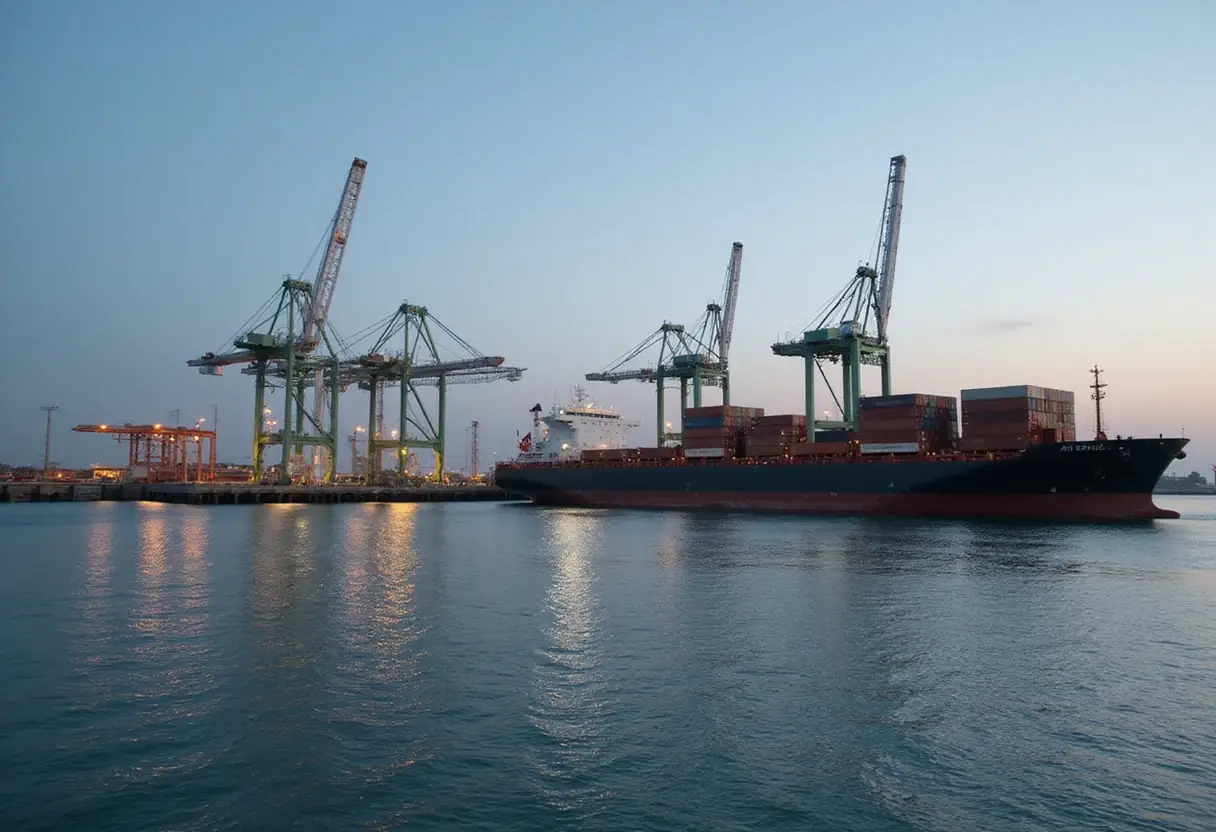
Riyadh's outbound international air cargo capacity has dropped by a third in 24 hours, as attacks on Saudi airports this week push airlines to suspend services and strip both freighter lift and bellyhold space out of the market.
The numbers land at the worst possible moment. Rotate data captured on the morning of the disruption shows outbound capacity on freighters and widebody passenger aircraft fell 34% over 24 hours, to 848 tonnes, and 26% over 72 hours, against the equivalent windows a week earlier. With the air cargo peak looming, shippers and forwarders now face a thinner market precisely when volumes climb.
What does the capacity loss actually consist of?
The decline splits unevenly across aircraft types, and that split matters for what comes next:
- Combined freighter and widebody bellyhold capacity: down 34% in 24 hours and 26% over 72 hours
- Freighter-only capacity: down 10% outbound
The gap between those two figures tells the story. Freighters have taken a comparatively modest hit, but passenger widebody services — which contribute bellyhold space — have pulled back far more sharply. When airlines suspend passenger flights for security reasons, cargo riding in the hold disappears with the seats. A 10% freighter decline paired with a 34% combined drop means bellyhold capacity has absorbed the bulk of the loss.
Why the timing compounds the damage
Attacks on Saudi airports this week triggered the suspensions, and Riyadh sits at the center of the disruption. The kingdom's capital had been moving 848 tonnes of daily outbound lift on freighters and widebody passenger aircraft as of the latest measurement — down from a level a third higher just a day earlier.
For a market heading into peak season, the arithmetic is unforgiving. Capacity removed now cannot be replaced quickly: freighters are scheduled weeks ahead, and rerouted passenger services take days to re-enter a network. Every tonne of suspended lift either delays freight, forces it onto more expensive alternatives, or both.
The 72-hour trend — a 26% decline against the prior week — suggests the pullback built steadily rather than landing in a single shock, and airlines moved aircraft out as the security picture deteriorated.
Whether Riyadh's outbound capacity recovers will depend on how quickly carriers judge Saudi airports safe enough to resume services — and each day of suspension into the peak removes roughly a third of the market's lift.
via The Loadstar (Source)
More from James Calloway
Show full bio
Staff writer covering people, launches and day-to-day practice in Commercial aviation industry coverage at Flightdeck Report.
739 articles
Same bay
- Riyadh Shutdown Cuts Saudi Air Cargo Capacity by a Third · October 13, 2026
- Riyadh Shutdown Cuts Saudi Air Cargo Capacity · October 13, 2026
- IATA: Air Cargo Demand Climbs 4.4% in August as Capacity Slips · September 30, 2026
- Saudi Disruption Squeezes Air Cargo Capacity Ahead of Peak Season · October 15, 2026
- Air Cargo Backlogs Build as Middle East Conflict Squeezes Capacity · October 14, 2026