Clearance CLR-7337 · AIR826
AIRRUS
Airspace & RegulationClearance sheet
Russian Military Helicopter Briefly Entered Polish Airspace
Poland's army confirms a Russian military helicopter briefly entered its airspace, the latest incursion testing NATO's eastern flank defenses and air policing response.
Read-back
- The Polish Army said a Russian military helicopter briefly entered Polish airspace
- The initial statement did not specify the helicopter type, duration, or crossing point
- Poland borders Russia's Kaliningrad exclave and Belarus and hosts NATO's largest eastern-flank presence
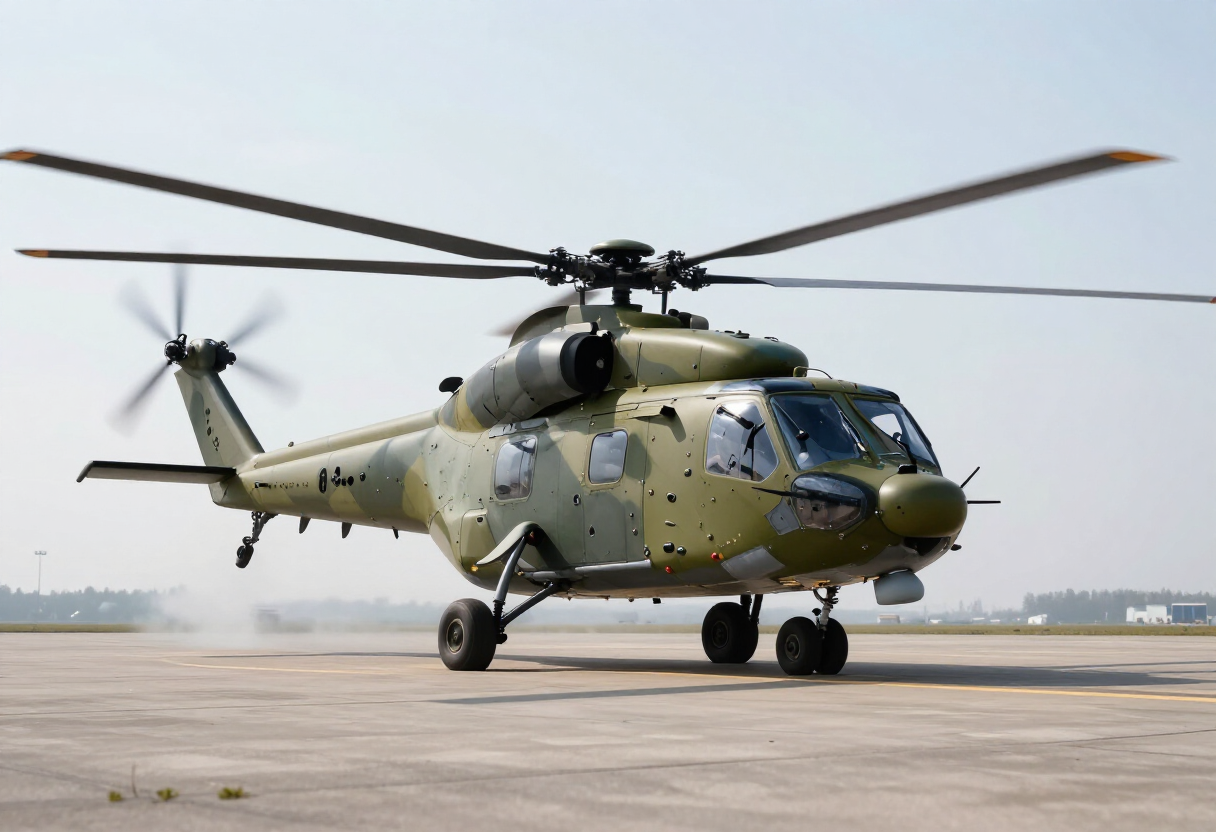
A Russian military helicopter entered Polish airspace briefly, the Polish Army said, confirming an incursion into the airspace of a NATO member state that borders Russia's Kaliningrad exclave and Belarus.
The Polish military disclosed the violation without, in the information released so far, specifying the type of helicopter involved, the exact duration of the incursion, or the precise point along the border where the aircraft crossed. The Army characterized the entry into Polish airspace as brief, language Polish defense officials have used repeatedly in recent years when describing cross-border activity by Russian military aircraft.
Poland sits on NATO's eastern flank and shares borders with both the Russian exclave of Kaliningrad — roughly 230 km of frontier — and Belarus, making its airspace among the most frequently tested in the alliance. Russian military aircraft operating near or across that frontier have become a recurring feature of the security environment since Moscow's full-scale invasion of Ukraine in February 2022.
For NATO, any entry of a Russian military asset into the airspace of a member state is a serious matter under Article 5 of the Washington Treaty, which treats an armed attack on one ally as an attack on all. In practice, brief incursions — often measured in seconds or minutes — have typically been handled through interception and diplomatic channels rather than escalation. Polish air defense, backed by NATO's enhanced Air Policing mission, routinely scrambles fighter aircraft, most often F-16s flown by the Polish Air Force and allied detachments, to shadow and escort Russian aircraft near the alliance's border.
The Polish Army's confirmation follows a pattern of similar episodes along the eastern flank. NATO allies including Poland, Lithuania, Latvia and Estonia have reported incursions or near-incursions involving Russian fixed-wing aircraft and helicopters over the past several years. In most cases, the aircraft involved have been transport planes, helicopters or older-generation combat types rather than strike platforms, and the incursions have ended without weapons engagement.
The operational significance of a helicopter incursion differs from that of a fixed-wing violation. Helicopters fly low and slow, operate at altitudes where radar coverage is weaker, and can cross a frontier and return within minutes. Detecting and intercepting them places a premium on ground-based surveillance, quick-reaction alert crews and, increasingly, unmanned sensor platforms. Poland has invested heavily in exactly these capabilities, expanding its air defense procurement and hosting a larger permanent allied presence than any other NATO state on the eastern flank.
For Polish and allied commanders, each confirmed incursion feeds into a broader assessment of Russian activity along NATO borders: how often crossings occur, what aircraft conduct them, whether they appear deliberate or navigational, and how quickly alliance air defense responds. The Polish Army's public confirmation of this event signals Warsaw's intent to document and publicize violations rather than treat them as routine.
The report also lands amid an intensified debate in Poland and across NATO over airspace defenses following repeated drone incursions into allied territory linked to the war in Ukraine. That debate has pushed allies to consider more permissive rules of engagement for shooting down unauthorized aircraft, including drones and helicopters, near their borders — a policy shift Polish officials have publicly advocated.
The Polish Army did not say in its initial statement whether the helicopter was intercepted, whether NATO's air policing assets responded, or whether a protest has been lodged through diplomatic or military channels. Follow-up statements from the Polish Armed Forces Operational Command, which manages the country's air surveillance and quick-reaction alert missions, would typically provide the aircraft type, crossing time and response details. Further detail is expected as Poland and its NATO allies assess the incident.
via Google News: Air traffic control and airspace (Source)
More from Grace Kim
Show full bio
News editor covering consumer brands and retail at Flightdeck Report.
138 articles
Same bay
- FDR884Russian Helicopter Breaches Polish Airspace · September 30, 2026
- FDR605Russian Mi-8 Crosses Into Polish Airspace for 42 Seconds, Triggering Fighter Scramble · September 30, 2026
- FDR334Poland Moves to Ease Rules of Engagement for Airspace Incursions · September 28, 2026
- FDR951Poland to Change Rules of Engagement for Airspace Violations · September 28, 2026
- FDR790Poland loosens rules of engagement for airspace violators · September 29, 2026