Clearance CLR-1639 · AIR334
AIRPOL
Airspace & RegulationClearance sheet
Poland Moves to Ease Rules of Engagement for Airspace Incursions
Poland is preparing to loosen rules for shooting down drones and missiles entering from Russia, closing an approval gap that Russian strikes on Ukraine have exposed along NATO's eastern border.
Read-back
- Poland plans to ease rules for shooting down drones and missiles entering from Russia
- Current procedures require high-level political authorization before engagement
- Repeated Russian-origin drone incursions into Polish airspace prompted the policy change
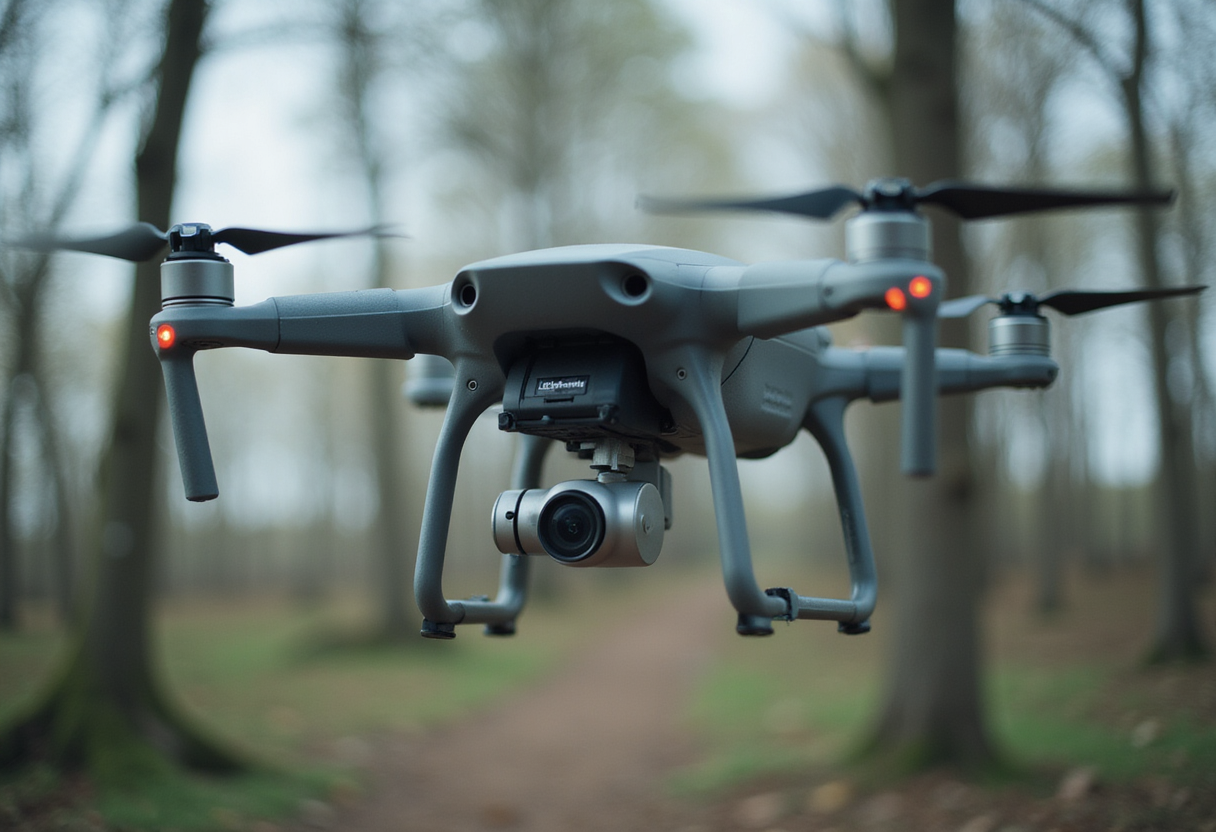
Poland is preparing to loosen the legal restrictions governing the shooting down of drones and missiles that enter its airspace from the direction of Russia, according to a report by The Kyiv Independent.
The planned change addresses a gap that has become increasingly difficult to ignore. Under current arrangements, Polish air defense units operate under restrictive engagement rules, and the decision to fire on an unidentified or hostile object has required high-level political authorization. For slow-moving threats such as unmanned aerial vehicles, that approval chain can outlast the time the object spends inside Polish territory.
The policy review follows repeated incursions of Russian-origin drones into Polish airspace during attacks on Ukraine. Russian strategic drone and missile strikes have frequently flown flight paths that skirt or cross Polish territory, forcing Warsaw to scramble fighters and, on several occasions, to conduct searches for wreckage on its own soil. Each incident has exposed the mismatch between Cold War-era engagement doctrine and the operational reality of low-altitude, slow, attritional air threats crossing a NATO border.
For NATO as a whole, the Polish move carries consequences beyond one member state. Alliance air policing missions were designed around the interception of crewed military aircraft, with rules of engagement that assume time for consultation and escalation management. A Shahed-class attack drone priced in the tens of thousands of dollars inverts the cost calculus of interception: Poland and its neighbors must decide whether to expend air-to-air missiles costing hundreds of thousands of dollars, or engage with guns and adapted platforms, or let the object pass — an option politically untenable when the drone's destination may be a Ukrainian city and its debris field may fall on NATO territory.
The legal dimension is equally thorny. Under existing Polish law and NATO frameworks, downing an aircraft — even an unmanned one — can be construed as an act with escalation implications, requiring rapid legal certainty that current procedures do not provide. Easing those rules would give Polish commanders pre-authorized parameters for engagement, shortening the decision loop from minutes measured against a political chain of command to seconds measured against an approaching threat.
The Kyiv Independent's report does not specify a timeline for the legislative change, the exact engagement thresholds Poland intends to adopt, or whether the framework will distinguish between drones that merely cross territory in transit and those perceived as targeting Polish assets. Those details will determine whether the new rules represent an operational shift or a doctrinal one.
The move also signals a broader erosion of the assumption that NATO's eastern airspace is sanctuary territory by default. Russia's sustained campaign against Ukraine has already pushed Poland and other frontline states to invest in counter-drone detection, layered air defense, and deeper munitions stockpiles. A permissive engagement framework would align Poland's legal posture with that hardware investment.
Neighboring states will watch the precedent closely. Romania and the Baltic countries have documented similar incursions, and a Polish framework that survives legal and political scrutiny would likely become a template for allied adaptation. Conversely, any incident in which Polish forces engage a Russian-origin object — successful or not — will test NATO's consultation mechanisms under Article 4 in ways the alliance has not yet confronted.
Warsaw's next steps — the drafting of legislation, coordination with NATO command structures, and public articulation of the engagement criteria — will determine how quickly the policy moves from intention to standing doctrine.
via Google News: Air traffic control and airspace (Source)
More from Grace Kim
Show full bio
News editor covering consumer brands and retail at Flightdeck Report.
138 articles
Same bay
- FDR388Poland formalizes procedures for shooting down objects in its airspace · September 30, 2026
- FDR790Poland loosens rules of engagement for airspace violators · September 29, 2026
- FDR951Poland to Change Rules of Engagement for Airspace Violations · September 28, 2026
- FDR826Russian Military Helicopter Briefly Entered Polish Airspace · September 27, 2026
- FDR575Poland activates aviation units for national airspace protection · September 30, 2026